A little local perspective
Worth knowing.
Worth going.
- Destination
- The Cotswolds, England
- The selection
- 12 hotels
- Your kind of trip
- countryside · food · gardens · couples
$$$ to $$$$ — roughly 250-800 pounds a night, peaking in summer
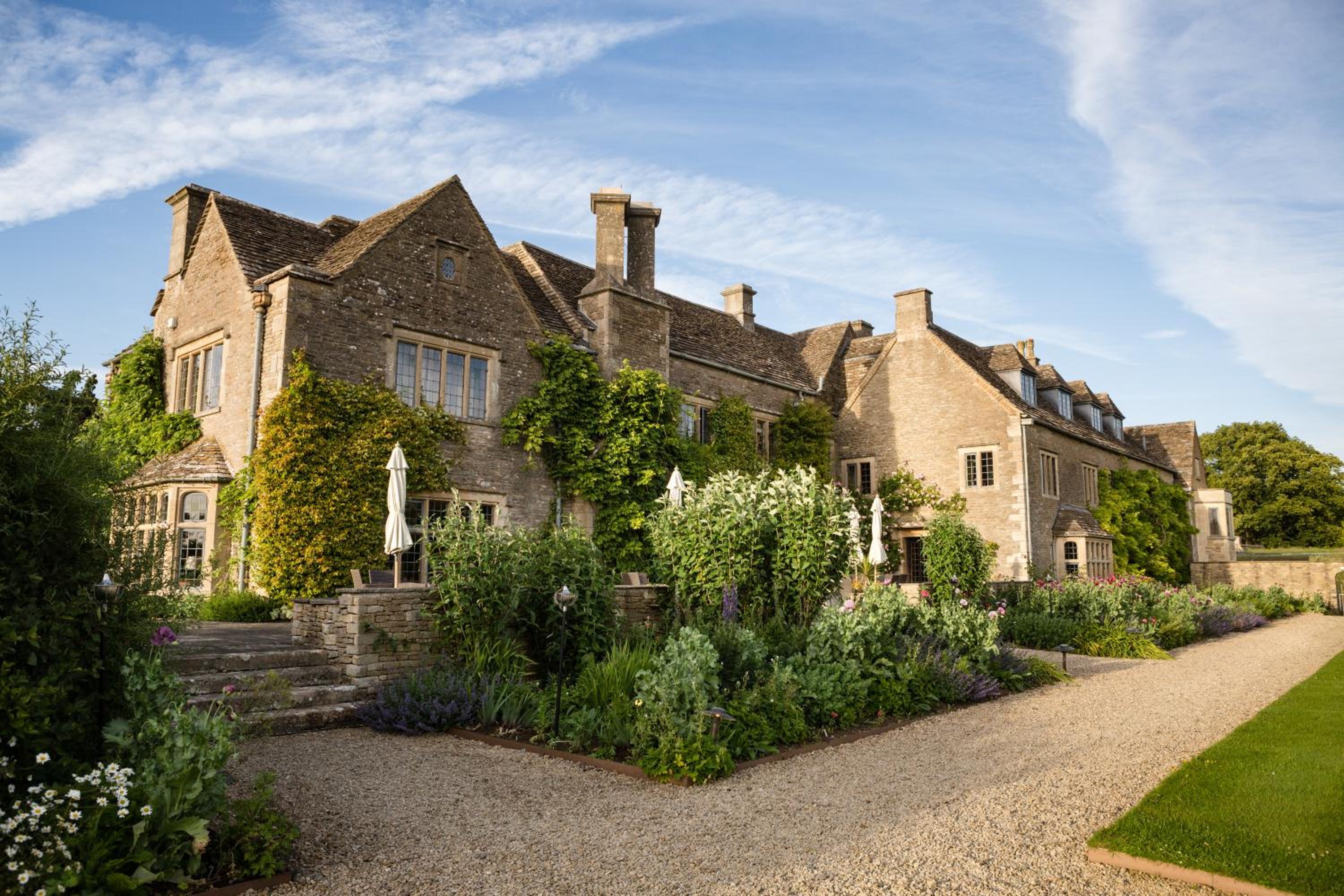
The Cotswolds are honey-coloured because of what is under them: a band of oolitic limestone running northeast across England, laid down in a shallow tropical sea about 170 million years ago. It is soft enough to cut easily, weathers to a warm yellow, and until the railways made transport cheap, everything was built from whatever stone came out of the ground nearby.
The villages are also uniform for a second reason. The Cotswolds got rich on wool in the fourteenth and fifteenth centuries — half of England's wool trade at one point — and then the industry moved north and the money stopped. Nothing was rebuilt because nobody could afford to, and the wool churches and merchant houses stayed as they were.
The geography, and the crowds
The Cotswolds are a National Landscape covering about 2,000 square kilometres across six counties, roughly two hours west of London.
The north, around Broadway, Chipping Campden and Stow-on-the-Wold, has the best-known villages and the heaviest traffic. Bourton-on-the-Water and Bibury in particular are extremely busy from spring to autumn and the villages themselves are small.
The south, around Tetbury, Malmesbury and Cirencester, is quieter, greener and has as much good stone with a fraction of the coaches.
The west escarpment, above Painswick and Stroud, drops sharply to the Severn valley and has the views.
The practical advice is unglamorous: stay outside the famous villages and visit them at eight in the morning or after five.
The twelve below are grouped by area.
The north Cotswolds
Broadway, Chipping Campden and the best-known villages.
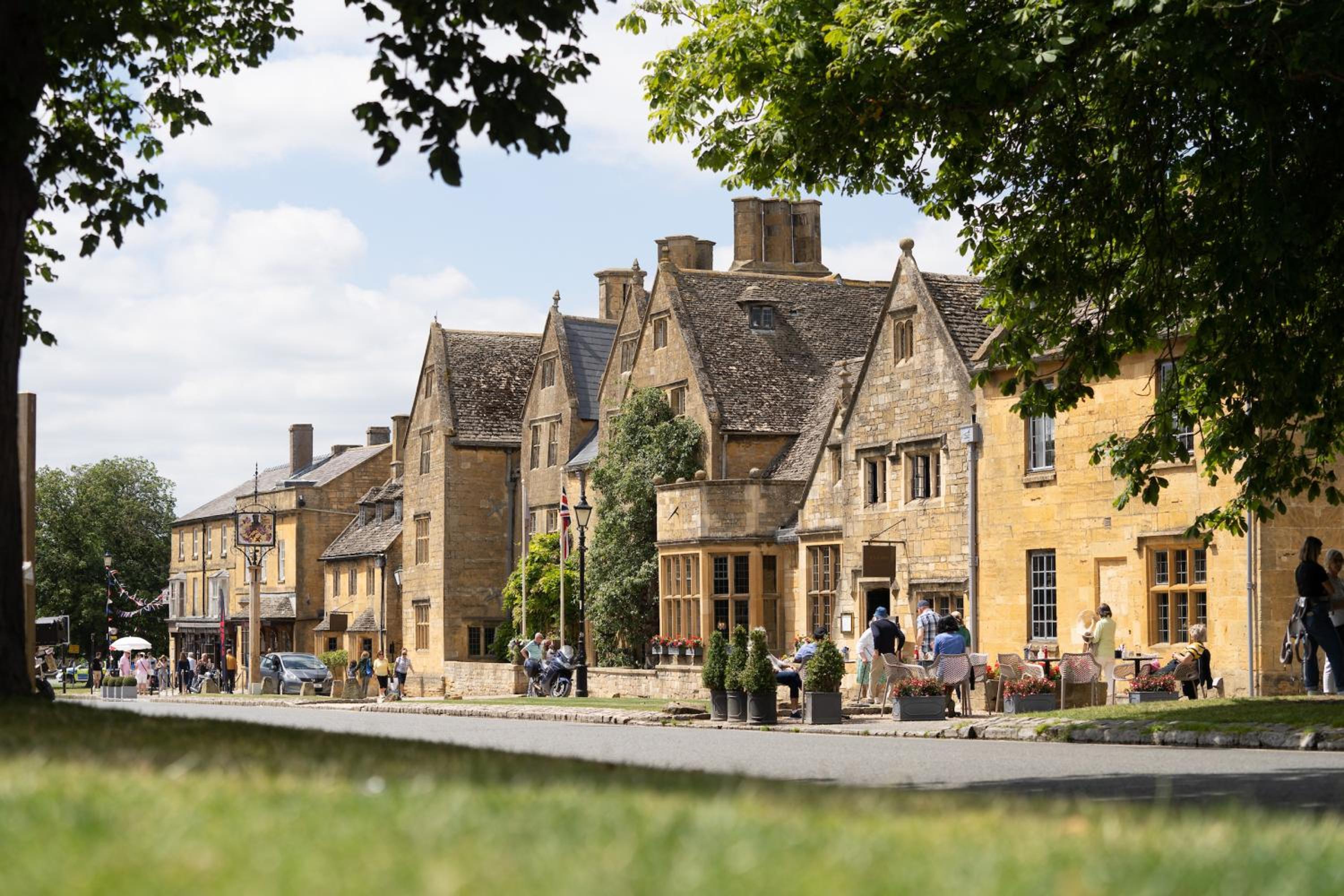
The Lygon Arms occupies a seventeenth-century coaching inn on Broadway high street with a spa, several restaurants and rooms across the original building and a newer wing.
Dormy House sits above Broadway on a hill in a converted farmhouse with a spa, a good restaurant and a large garden.
Cotswolds Hotel & Spa occupies a country house beside the first with only eight rooms, a private feel and no reception desk.
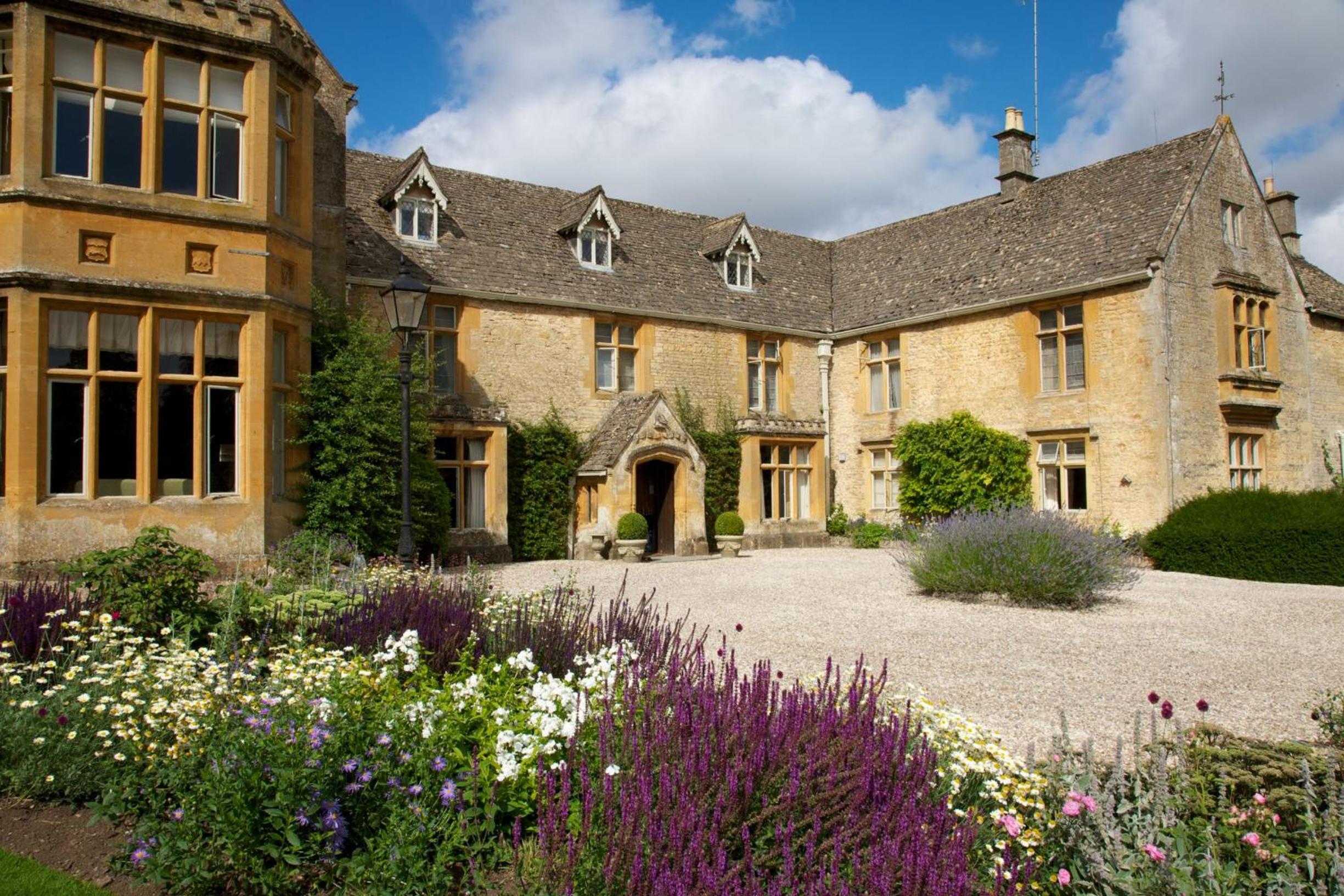
Buckland Manor sits at Buckland in a thirteenth-century manor house with a walled garden, a small room count and a level of quiet the high street does not have.
Lords of the Manor occupies a seventeenth-century manor at Upper Slaughter with gardens running to a stream, in a village with no shops and no through traffic.
The Wild Rabbit sits in Kingham as a pub with rooms, with a kitchen that draws people from London and a farm supplying it.
The south Cotswolds
Tetbury, Malmesbury and Cirencester. Quieter.
Thyme occupies a 60-hectare farm estate at Southrop with a village of restored buildings, a spa, a cookery school and a bar in the old ox barn. It is the most complete estate in the Cotswolds.
Cotswolds Hotel & Spa sits at Barnsley in a seventeenth-century house whose garden was designed by Rosemary Verey and is one of the best-known private gardens in England.
Whatley Manor occupies a manor house near Malmesbury with a spa, formal gardens and a restaurant that has held two stars.
Barnsley House sits at Tetbury on a 90-hectare estate with a spa, an outdoor pool and full family facilities including a crèche.
The west escarpment and Cheltenham
Above the Severn valley.
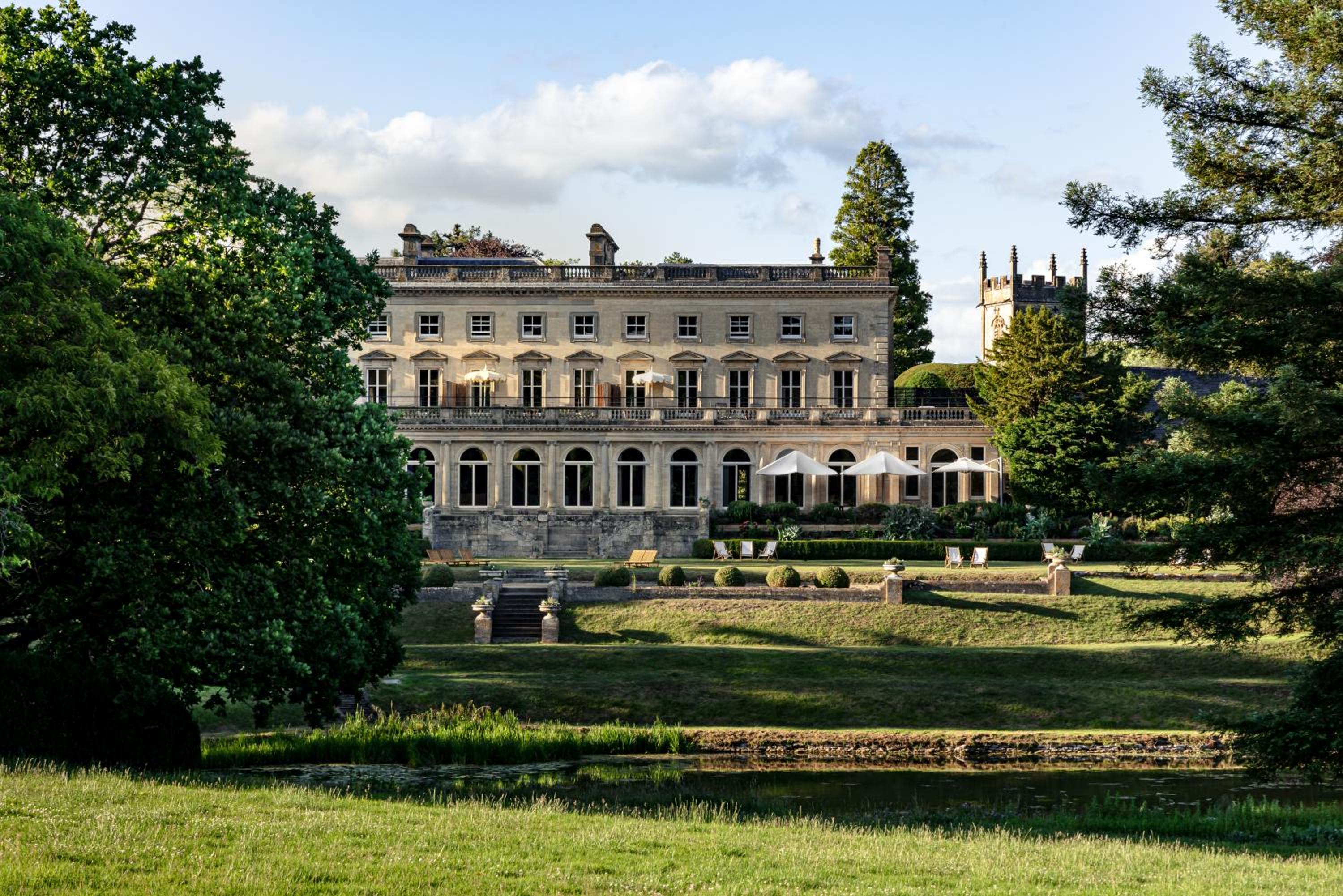
Cowley Manor Experimental occupies an Italianate mansion near Cheltenham with a lake, a spa and an interior reworked with considerable colour.
Cotswolds Hotel & Spa sits in Painswick in a Palladian rectory with a garden, a small room count and views down the valley.
What we have left off
The self-catering cottages across the Cotswolds are excluded, and in a region built for weekend visitors from London they are an enormous industry. They are houses rather than hotels.
What to do
Walk. The Cotswold Way runs 164 kilometres along the escarpment from Chipping Campden to Bath, and the day sections above Painswick and Broadway are the best of it.
See the wool churches: Northleach, Chipping Campden and Cirencester are the great ones, built on fifteenth-century fleece money and far grander than their villages justify.
Go to a garden. Hidcote and Kiftsgate sit next to each other near Chipping Campden and are two of the most influential gardens in England.
Visit the villages early. Bibury's Arlington Row at eight in the morning is a different place from Bibury at noon.
Eat at the pubs, which is where the Cotswolds' food actually is, and several of them are as good as the hotel restaurants.
Practical notes
London is roughly two hours by road. Trains run to Moreton-in-Marsh, Kingham and Kemble from Paddington in about ninety minutes, and a car is close to essential once you are there.
May, June and September are ideal. Summer weekends are heavy in the northern villages. Winter is quiet, wet and the pubs have fires lit.
Book restaurants ahead at weekends. The good ones fill with Londoners.
Explore 4 & 5 Star The Cotswolds Hotels
Prices shown are sample rates from upcoming dates — not quotes for specific dates. Open a hotel and choose your own dates and guests to see the exact price.
Questions people actually ask
Why is the stone that colour?
Oolitic limestone laid down in a shallow tropical sea, soft to cut and weathering warm yellow. Everything was built from local rock.
Which villages are worth it?
All of them, at the right hour. Bibury and Bourton-on-the-Water are worth an early morning and not a midday.
North or south?
North for the famous villages and the crowds, south for the same stone and fewer people.
How many nights?
Three. Two is enough for a base and a walk; three lets you see both halves.