
A little local perspective
Worth knowing.
Worth going.
- Destination
- Tokyo, Japan
- The selection
- 15 hotels
- Your kind of trip
- food · first visit · couples · city break
$$ to $$$$ — roughly 40,000-150,000 yen a night, peaking in cherry blossom season
Tokyo has more starred restaurants than any city on earth, and almost none of them seat more than a dozen people. The counters that matter hold eight. They open at six and again at half past eight, they take one seating each, and the reservation is often made by your hotel concierge weeks ahead because the restaurant does not answer unknown numbers or take foreign cards.
That is the fact that should decide where you sleep. Tokyo is enormous and its transit, while superb, stops around midnight. A twenty-minute train each way with a change is the difference between a relaxed dinner and watching the clock through the last three courses.
Why the ward matters more than the hotel
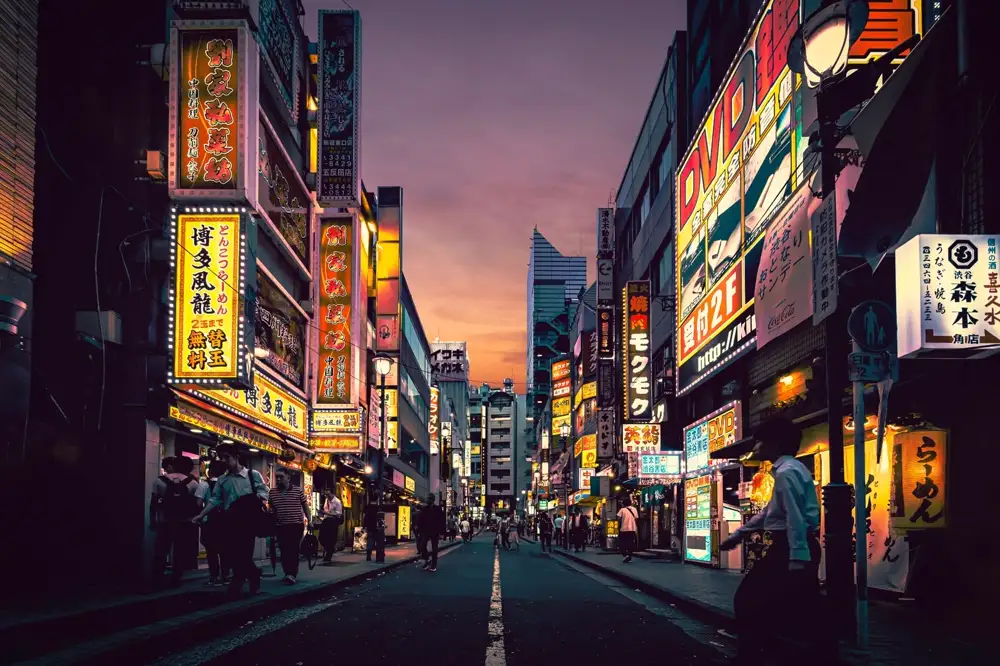
The dining density is not evenly spread. Ginza and the Marunouchi and Nihonbashi blocks beside it hold the greatest concentration of serious counters in the world, sushi especially. Roppongi, Azabu and Aoyama hold the next tier along with most of the international cooking. Shinjuku is a world of its own, weighted toward izakaya and yakitori under the tracks. Shibuya is younger and more casual.
Pick the ward that matches how you want to eat, then pick the hotel. Doing it the other way round is how people end up commuting to dinner in the most restaurant-dense city on earth.
The seventeen below are grouped by ward.
Marunouchi, Nihonbashi and Ginza
The centre. Imperial Palace on one side, Ginza's counters on the other, and Tokyo Station in the middle for the whole country.
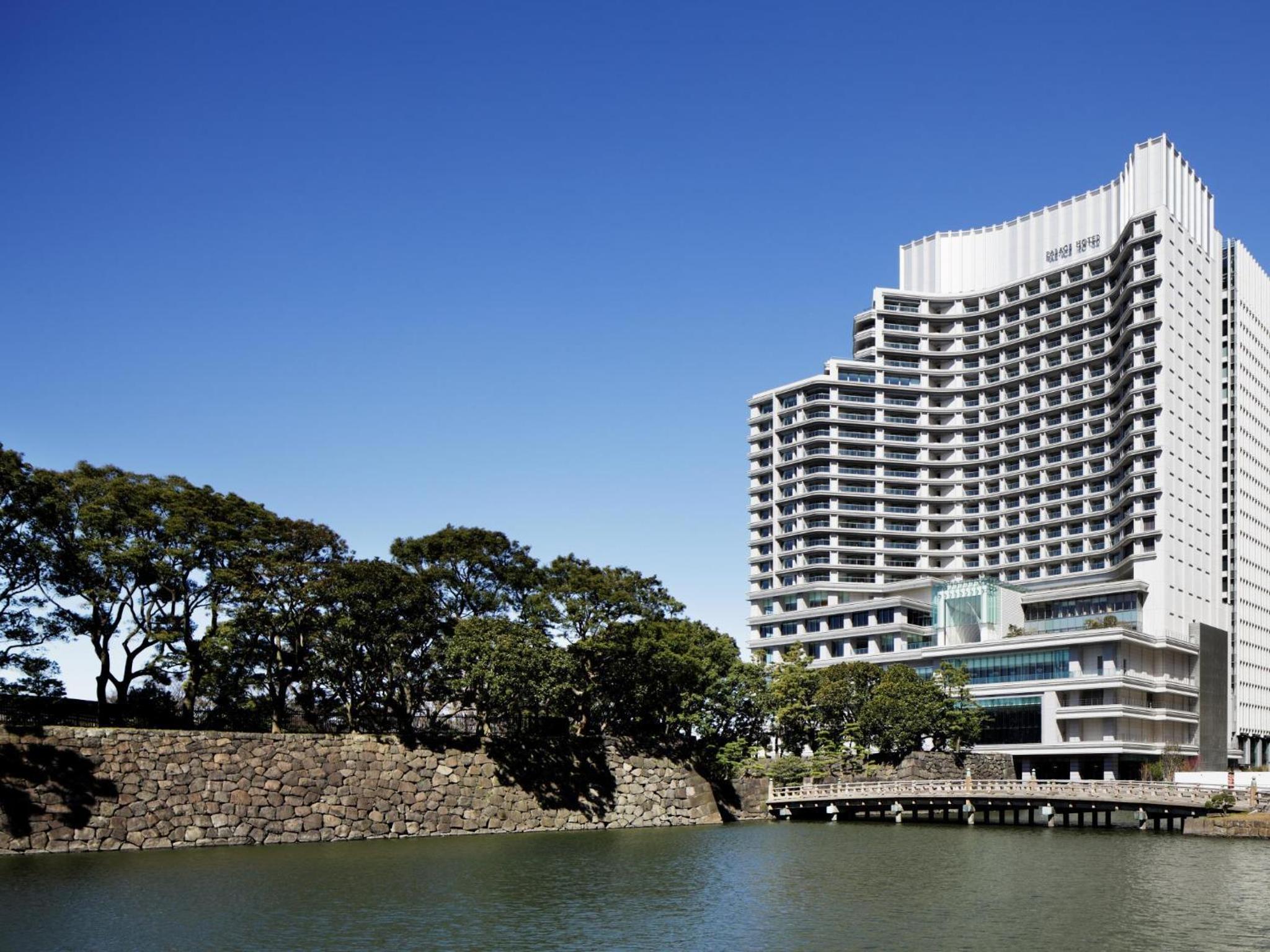
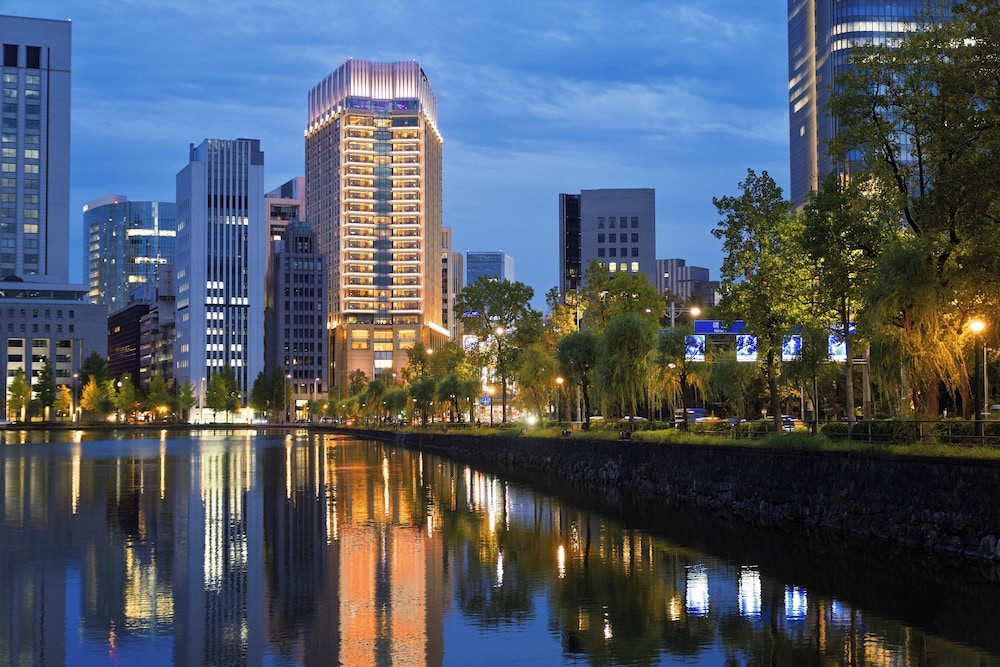
Palace Hotel Tokyo faces the palace moat with the best rooms in the city for the view and a level of Japanese service that no international brand matches.
Aman Tokyo occupies the top floors above Otemachi station with a lobby of stone and water on the 33rd floor, and the most serene public space in Tokyo.
Four Seasons Hotel Tokyo at Marunouchi sits in a small tower off Marunouchi with 57 rooms and the most personal service of the group.
Four Seasons Hotel Tokyo at Otemachi is the newer, larger sister property in Otemachi, with a rooftop spa and a bar looking over the station.
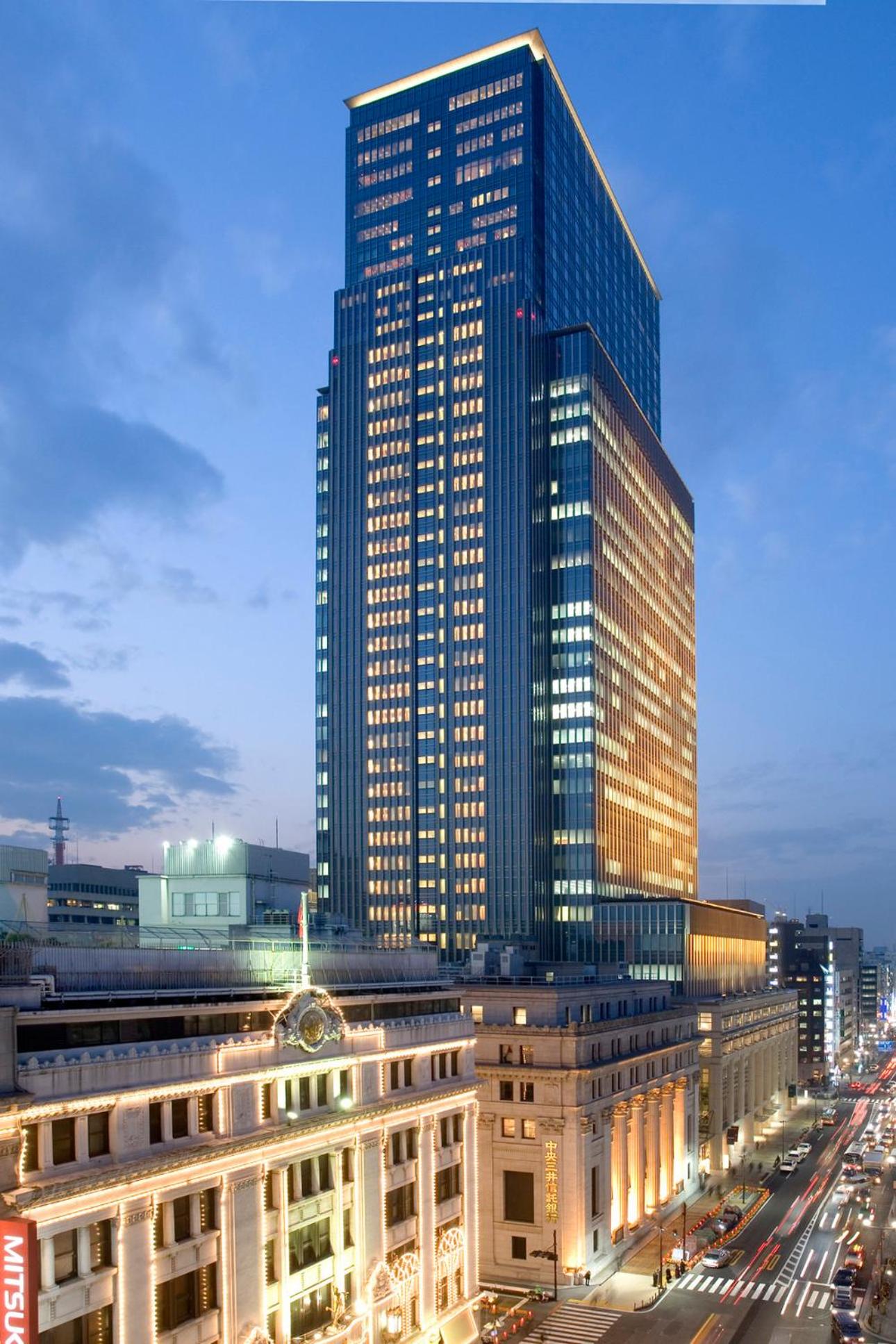
Mandarin Oriental, Tokyo occupies the upper floors of a Nihonbashi tower with two starred restaurants in house and views to Fuji on clear winter mornings.
The Peninsula Tokyo faces Hibiya Park at the edge of Ginza, all rooms with picture windows and a genuinely good concierge for restaurant access.
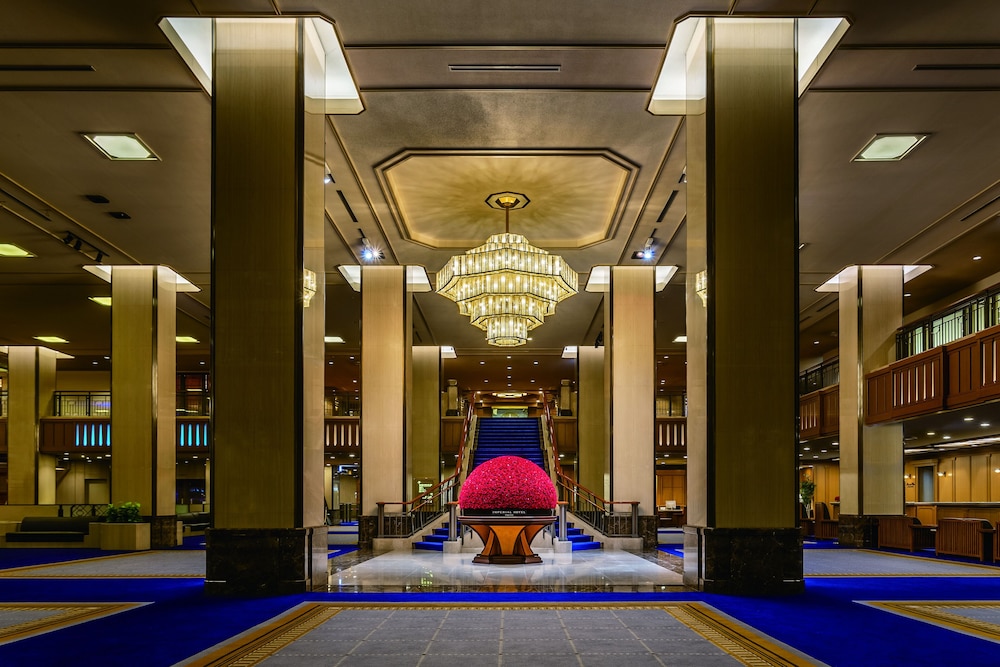
Imperial Hotel Tokyo is the grand old institution beside Hibiya, the oldest western-style hotel in Japan, and still where Tokyo does business over breakfast.
Hoshinoya Tokyo is a ryokan built as a tower in Otemachi, with tatami floors, a hot spring at the top fed from 1,500 metres down, and shoes removed at the door.
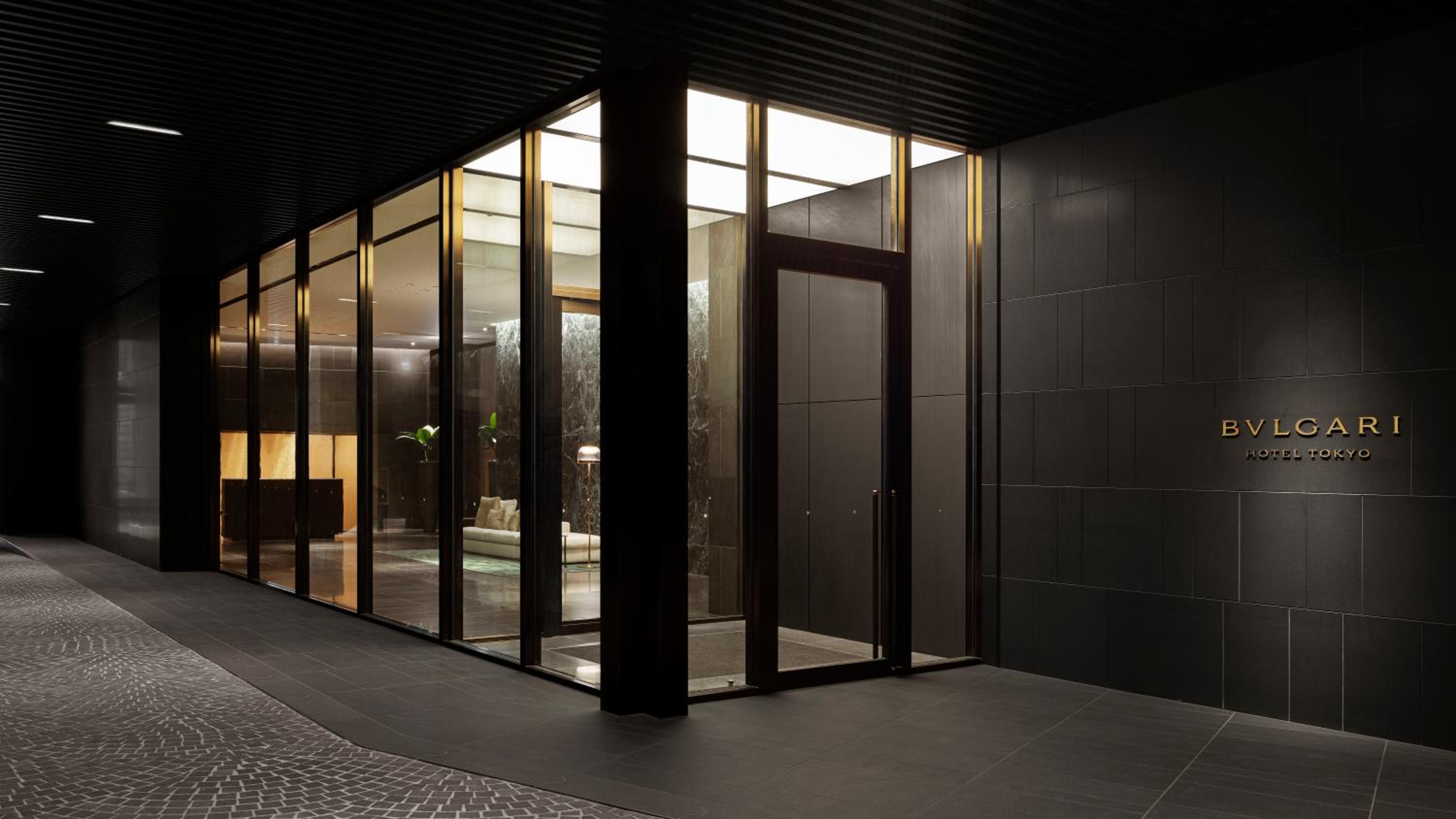
Bulgari Hotel Tokyo occupies the top of a new Yaesu tower above Tokyo Station with the highest bar in the district.
Roppongi, Azabu and Toranomon
The international side of the city, with the art museums and most of the non-Japanese cooking.
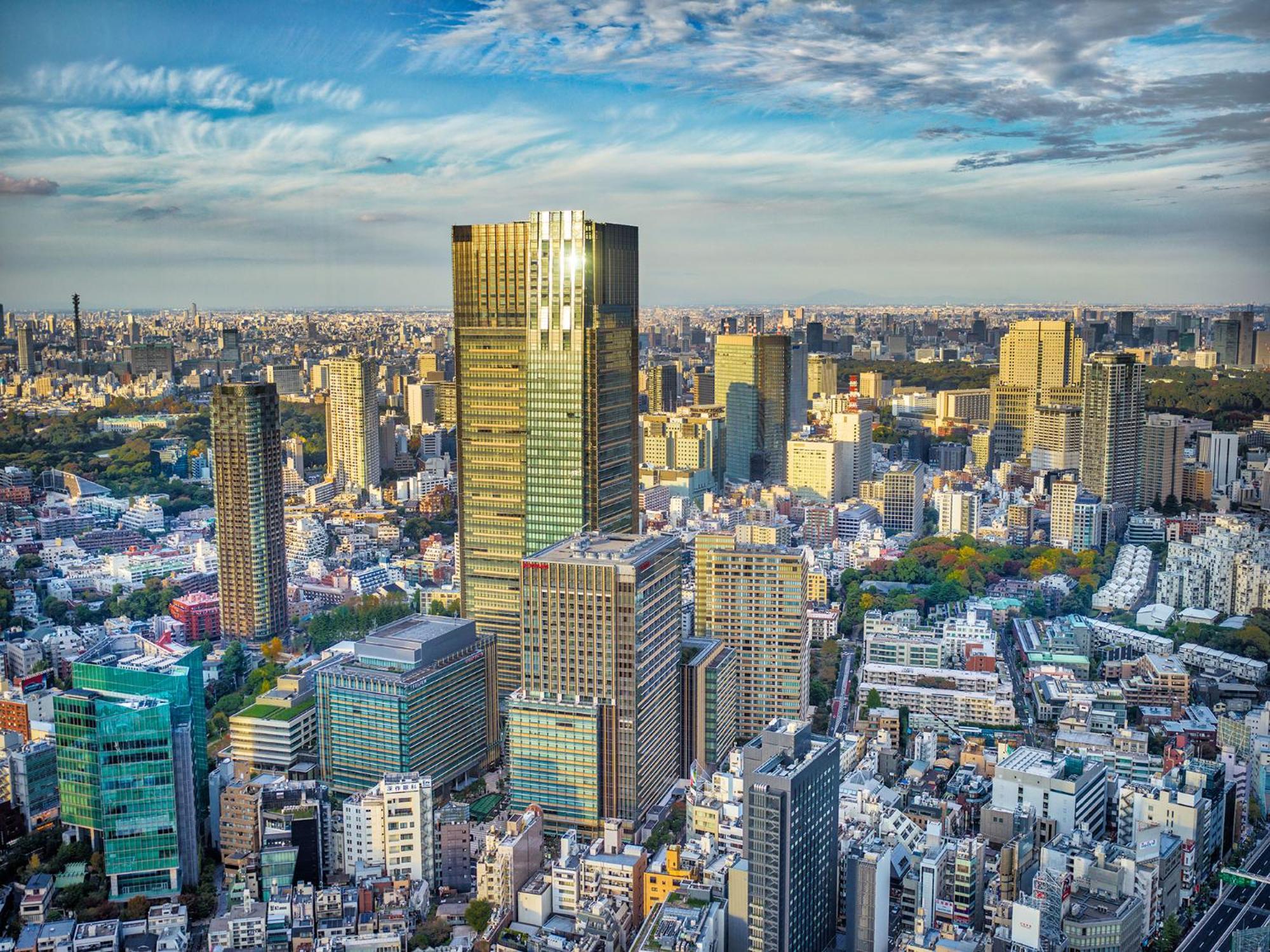
The Ritz-Carlton, Tokyo sits at the top of the Midtown tower with the highest standard rooms in Tokyo and a spa on the 46th floor.
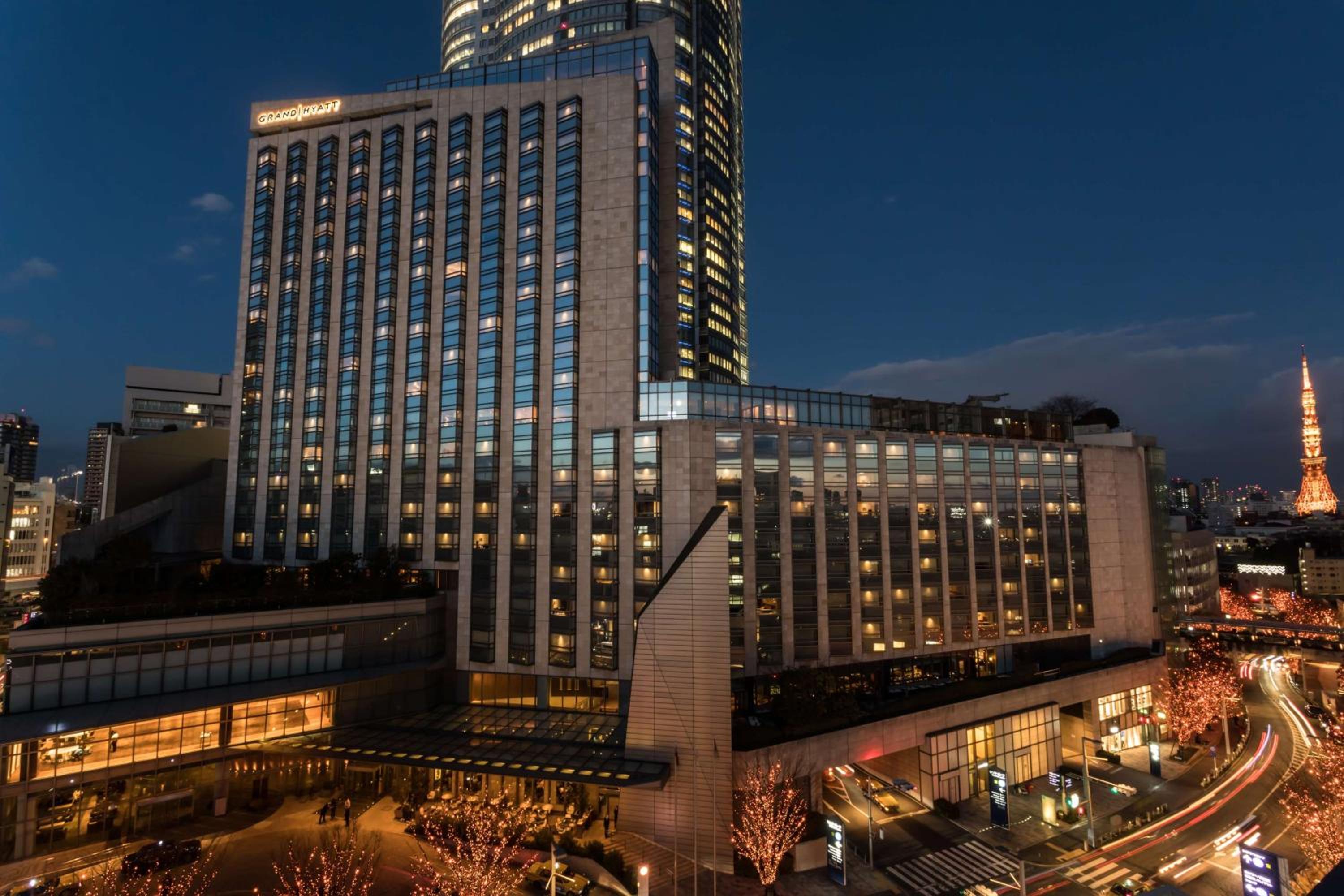
Grand Hyatt Tokyo occupies the Roppongi Hills tower with the best hotel pool in the city and a direct connection to the Mori Art Museum.
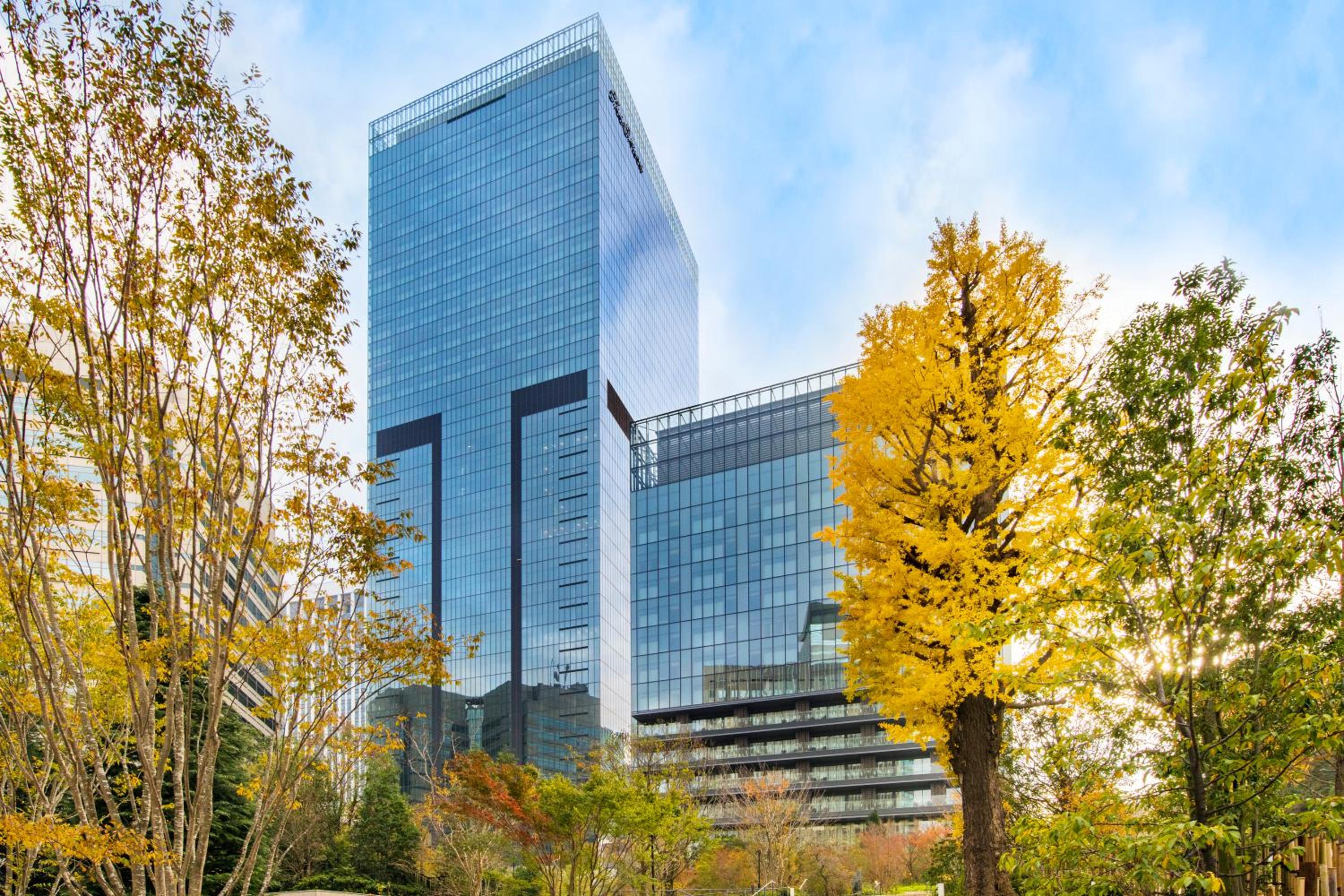
Andaz Tokyo Toranomon Hills is the Toranomon Hills tower hotel, the most design-led of the group, with a rooftop bar over the bay.
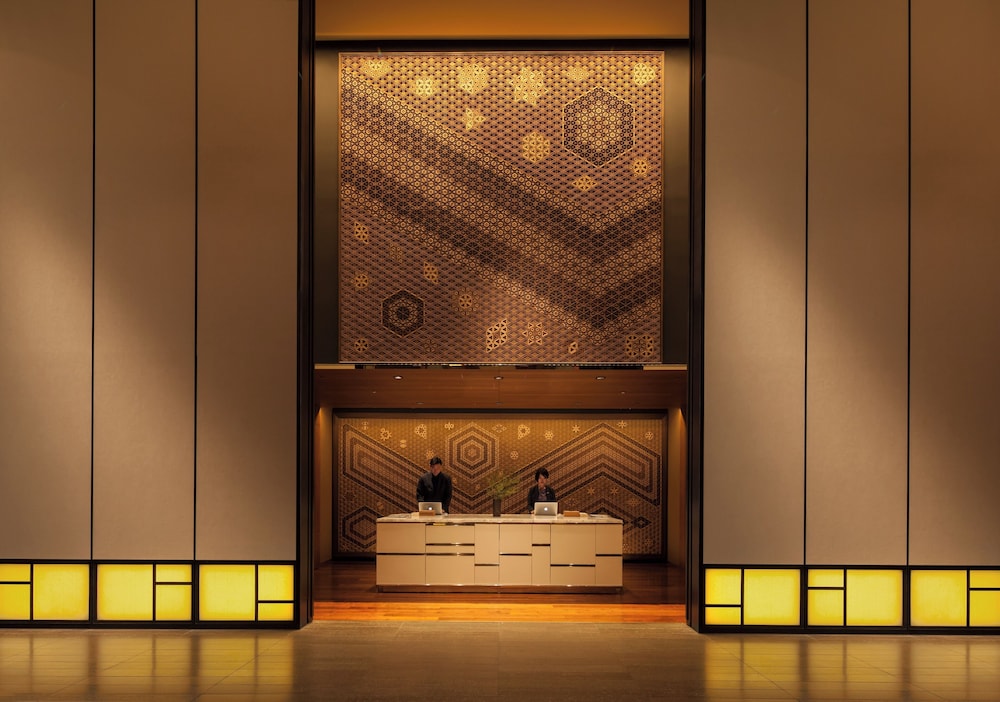
The Okura Tokyo is the rebuilt version of Tokyo's most famous modernist hotel, whose lobby is a reconstruction of the 1962 original.
Janu Tokyo is the newest Azabudai opening, with the largest fitness floor in Asia and eight restaurants, aimed squarely at people who want to eat in the building.
Shinjuku and Shibuya
West of the centre. Denser, younger, and where the late-night eating is.
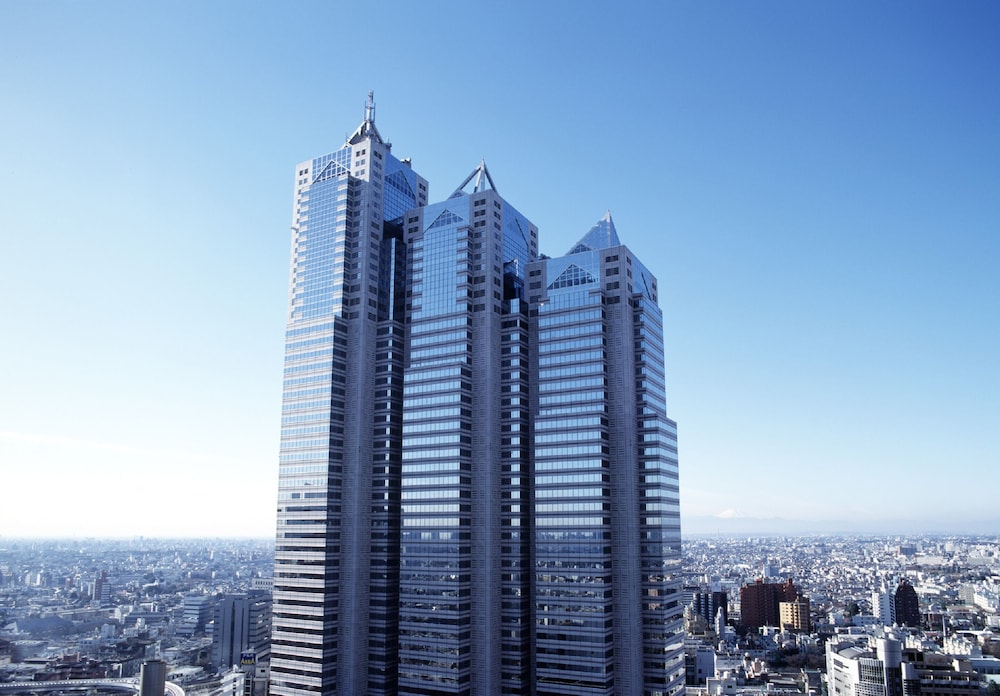
Park Hyatt Tokyo occupies the top fourteen floors of a Shinjuku tower with a pool under a glass roof and the most famous hotel bar in Asia.
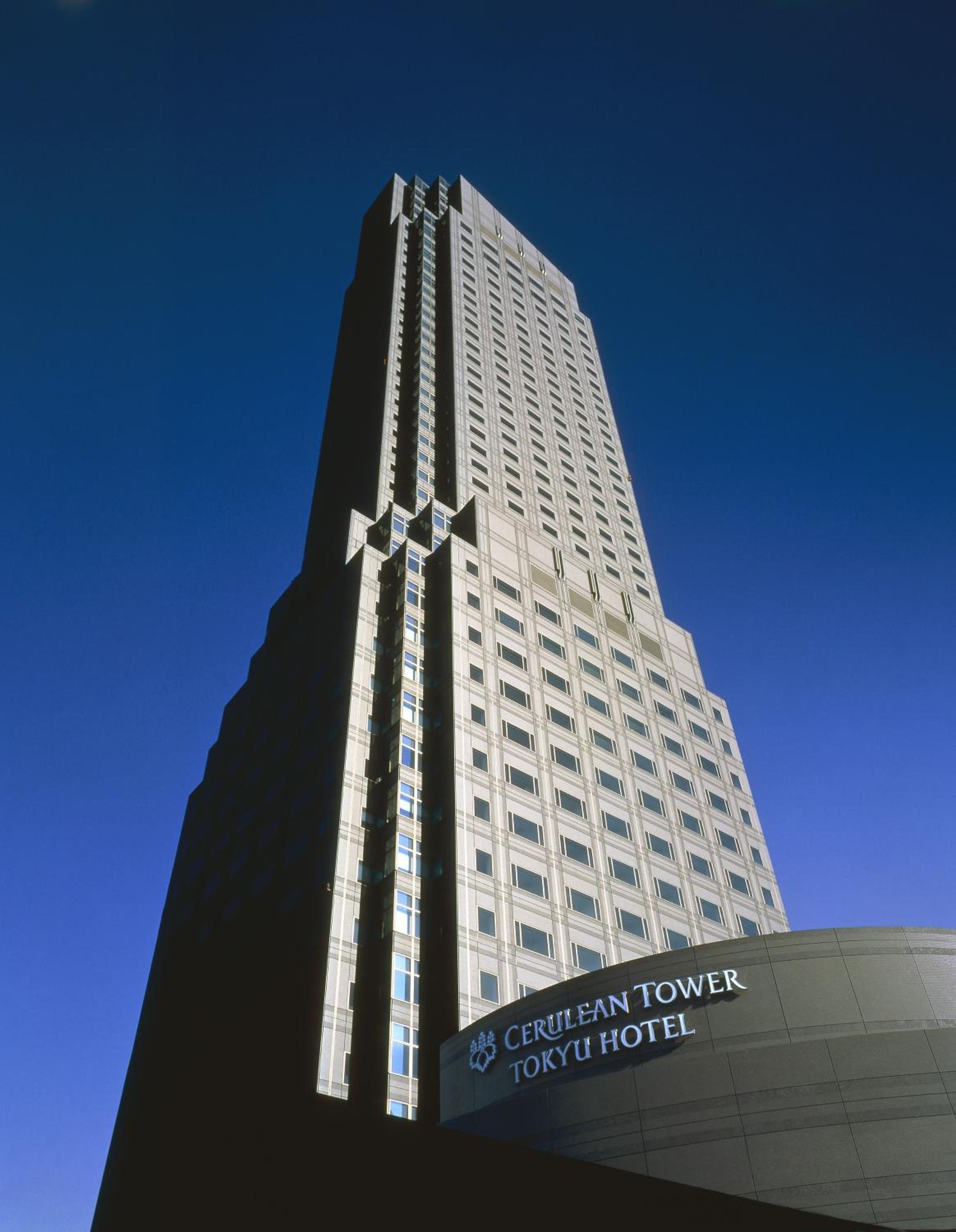
Cerulean Tower Tokyu Hotel sits above Shibuya station in a tower with a jazz club in the basement, and it is the practical base for the western wards.
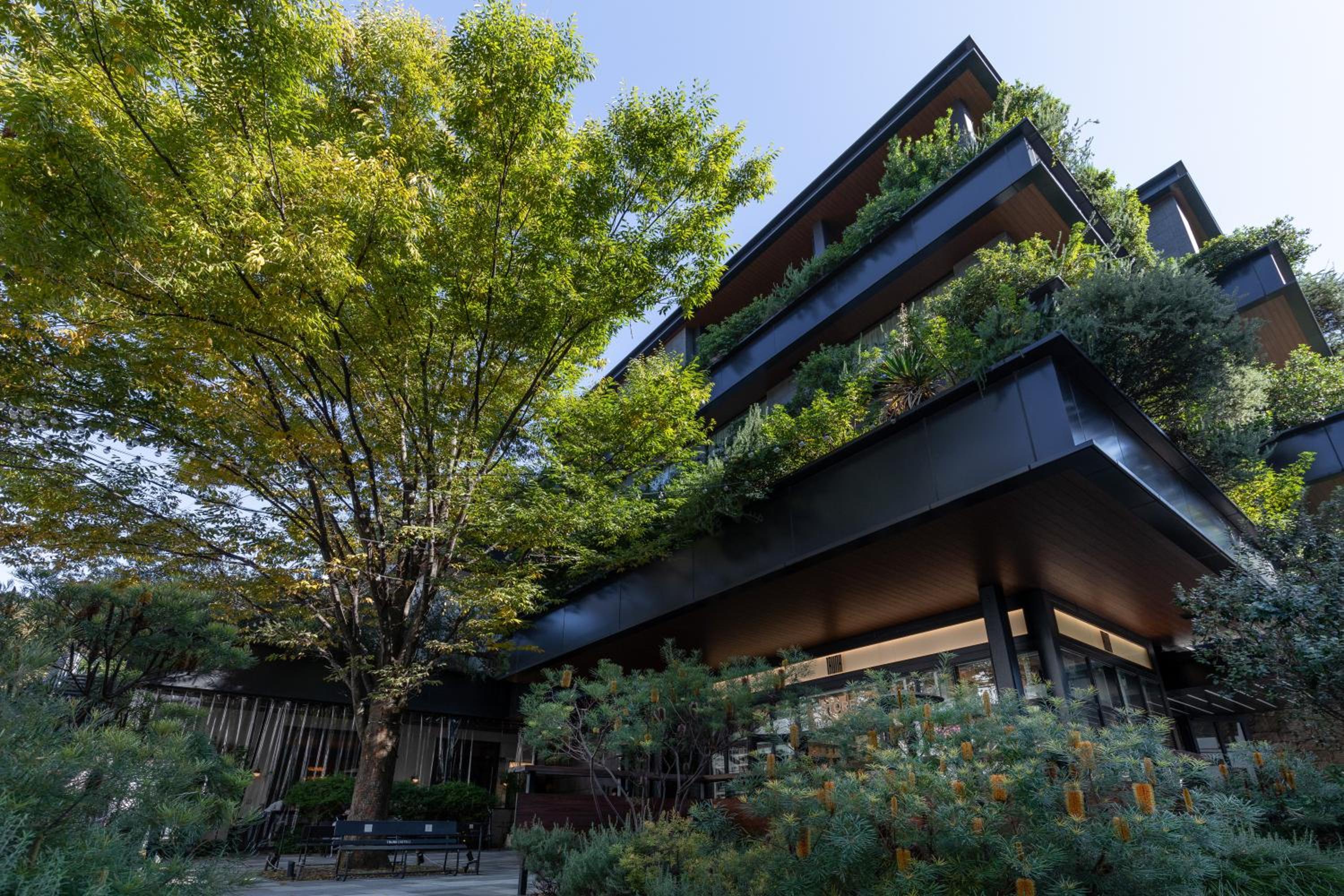
Trunk (Hotel) Cat Street is a small hotel off Cat Street between Shibuya and Harajuku, built in Japanese timber, and the most contemporary stay on this list.
What we have left off
The Odaiba and bayside hotels are excluded. They have the space, the water views and considerably lower rates, and they sit forty minutes and a change from every counter in this article.
What to do between meals
Book the counters before anything else, through the hotel, as far ahead as they allow. Then build the days around them.
Go to Tsukiji Outer Market for breakfast rather than Toyosu for the auction, which requires a very early start for a view through glass. Walk the Yanaka district for old Tokyo, and Shimokitazawa for the second-hand shops.
The teamLab installations need timed tickets. The Nezu Museum in Aoyama has the best garden in central Tokyo and almost no queue.
Take one train out. Kamakura is an hour, Nikko two, and Hakone gives you Fuji on a clear day.
Practical notes
Narita is 60 to 90 minutes from the centre; Haneda is 30. Fly into Haneda if you can. The Narita Express and the Airport Limousine bus are both straightforward.
March to May and October to November are the best windows. Cherry blossom in late March and early April fills every hotel at high rates. Summer is hot and very humid. Winter is cold, dry and clear, and Fuji is visible most mornings.
Get a Suica card. Carry some cash. Tipping does not exist and attempting it causes confusion.
Explore 4 & 5 Star Tokyo Hotels
Prices shown are sample rates from upcoming dates — not quotes for specific dates. Open a hotel and choose your own dates and guests to see the exact price.
Questions people actually ask
Do you need a concierge to get restaurant reservations?
For the top counters, effectively yes. Many will not take a booking from someone without a Japanese phone number or a personal introduction. This is the single biggest practical argument for a good hotel here.
Which ward is best for a first visit?
Marunouchi or Ginza. Central, calm, close to the station for day trips, and within walking distance of the best food in the city.
Is Shinjuku too far out?
Not for the city, but it adds twenty minutes each way to Ginza dining. If your trip is weighted toward izakaya and nightlife, it is the right base.
How many nights?
Five. Tokyo is the largest city in the world and three nights covers a fraction of it.