Higashiyama, beside Kodai-ji
Park Hyatt Kyoto
Among the temples, with the bells as an alarm
Explore Hotel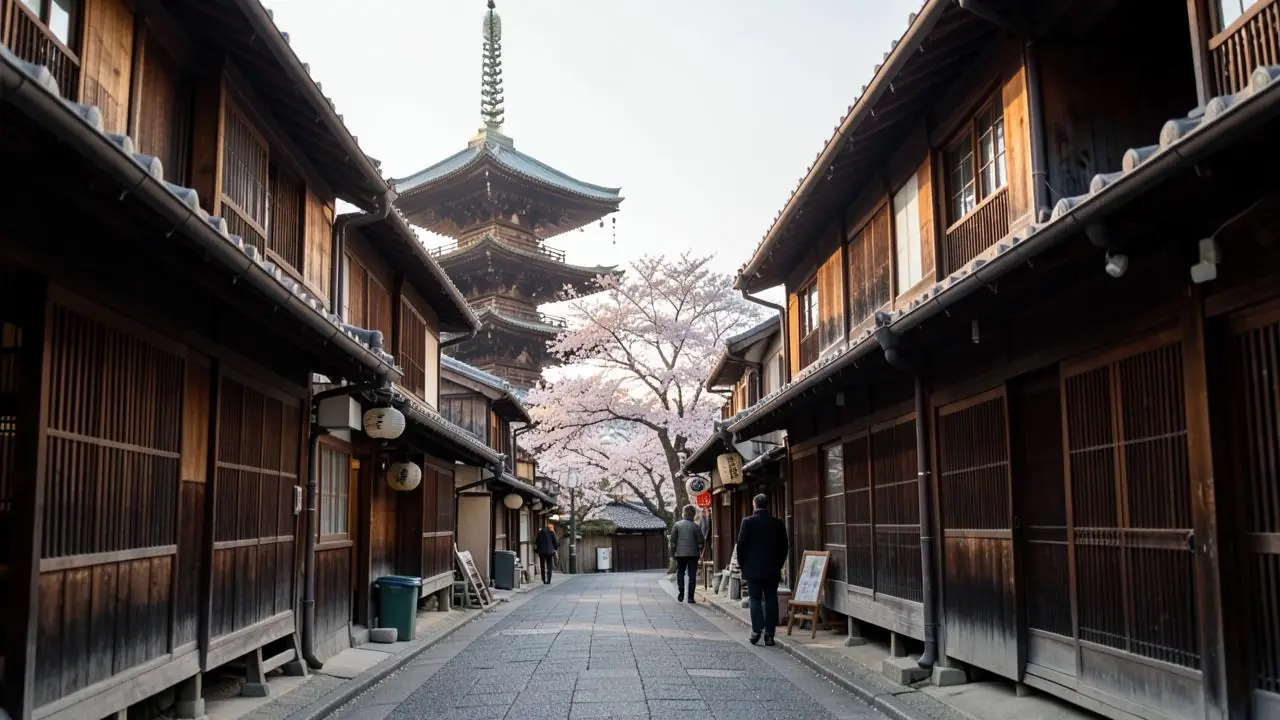

Kyoto, Japan
Kiyomizu-dera opens at six and fills by ten. Those four hours are the difference between Kyoto as described and Kyoto as most people see it.
The places to stay
Higashiyama, beside Kodai-ji
Among the temples, with the bells as an alarm
Explore Hotel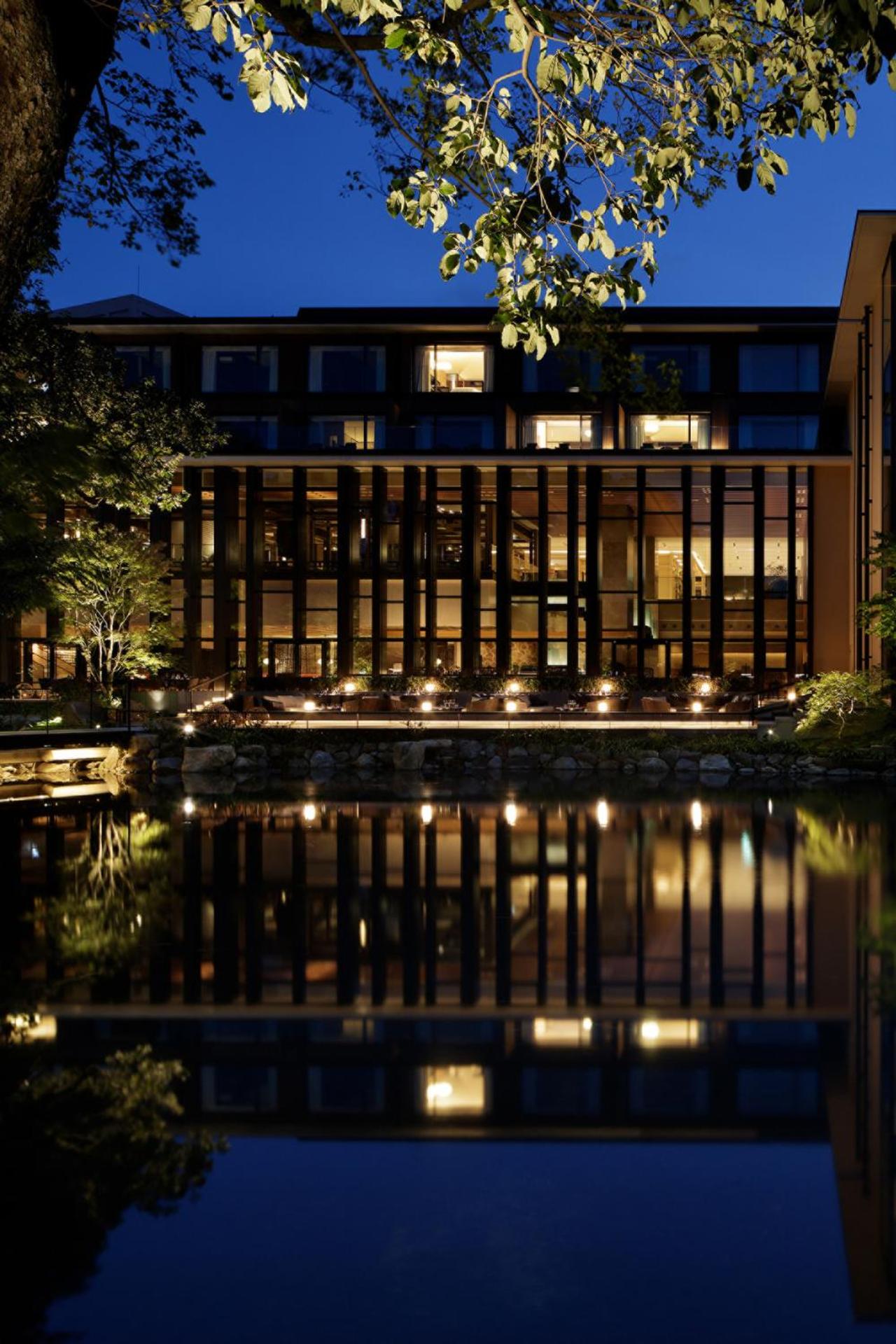
Higashiyama, Myoho-in
An 800-year-old pond garden in the grounds
Explore Hotel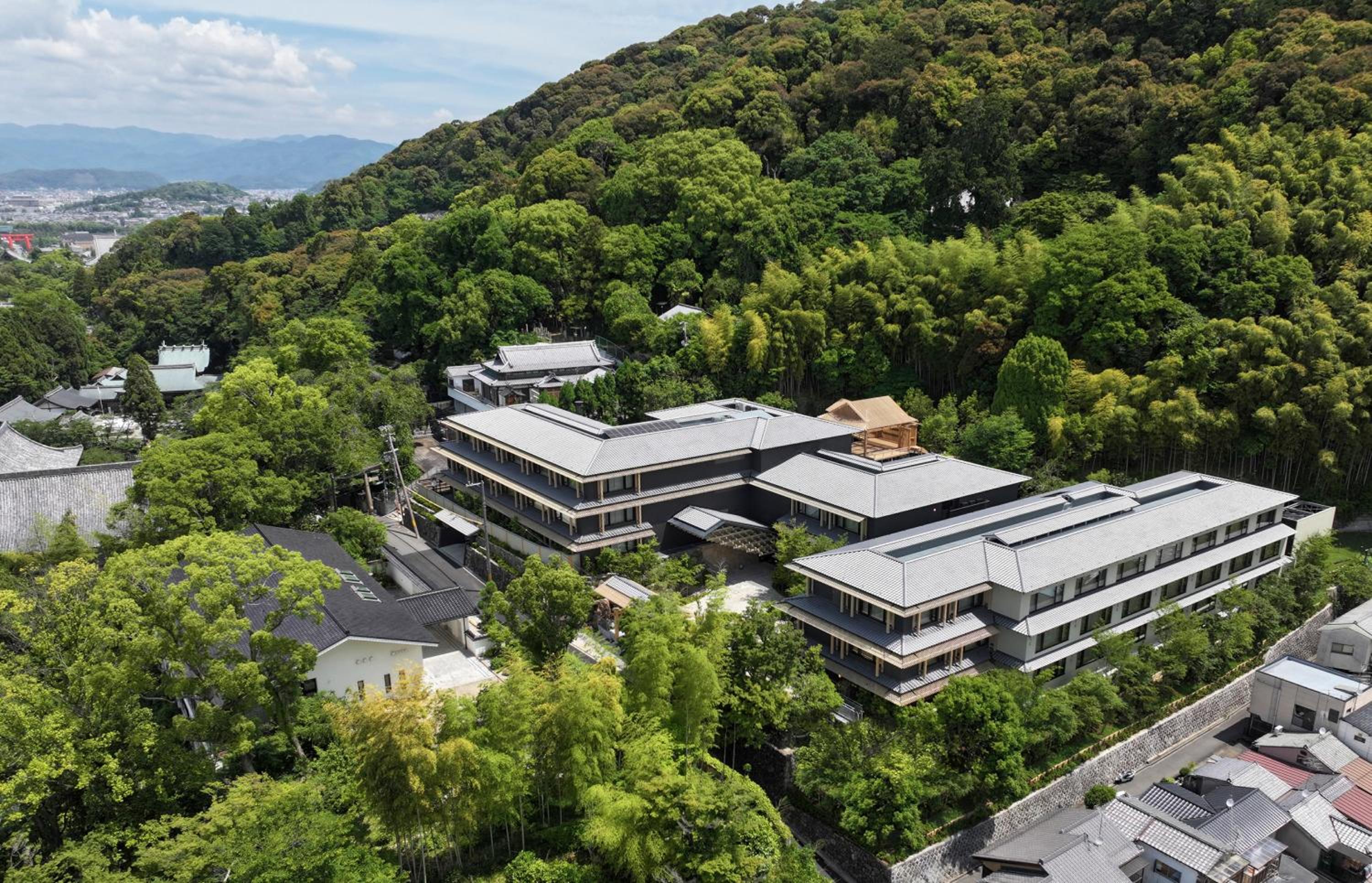
Above the Yasaka pagoda
Private soaking tubs and the largest spa in Kyoto
Explore Hotel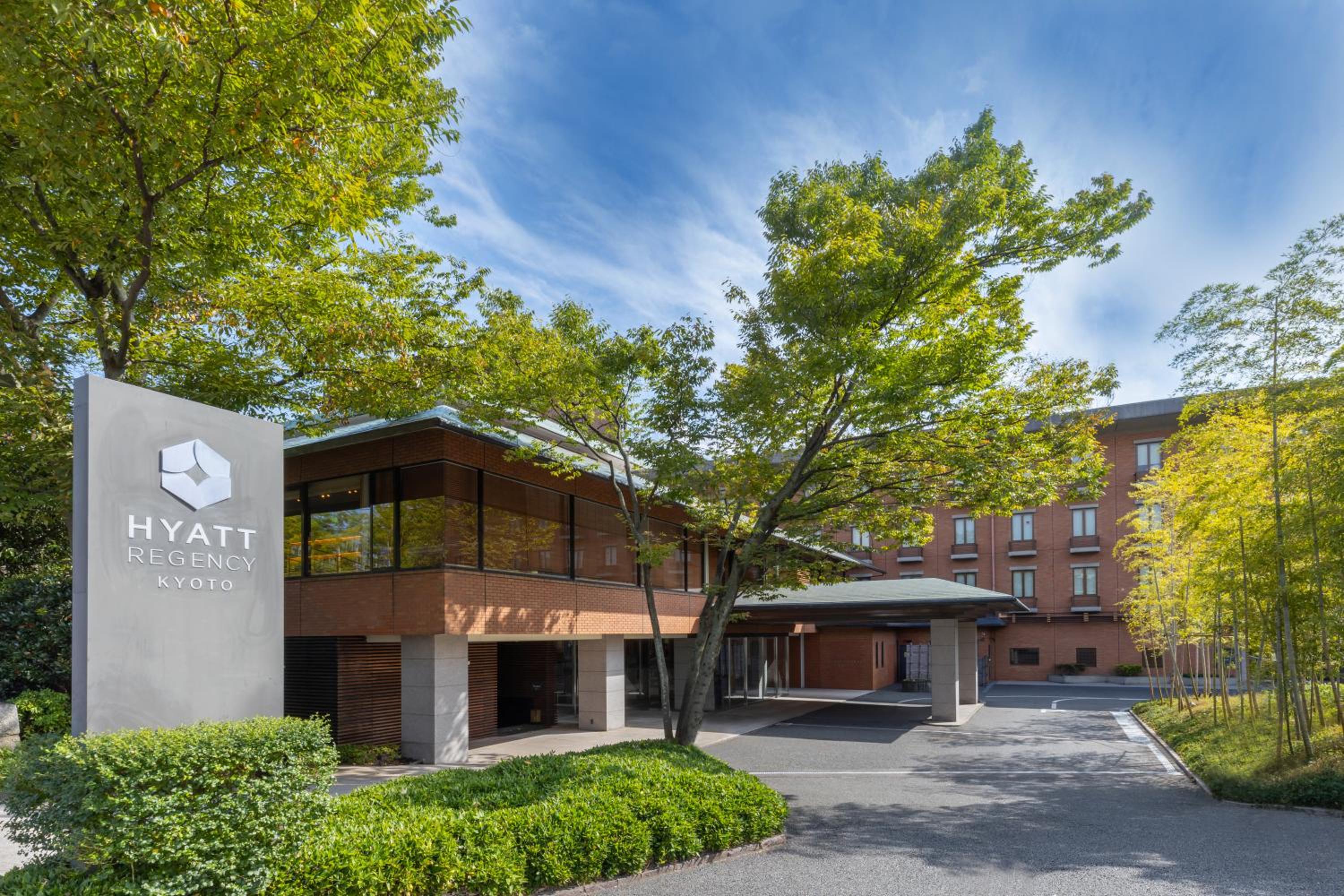
Gion edge
Zen garden courtyard two minutes from Yasaka shrine
Explore Hotel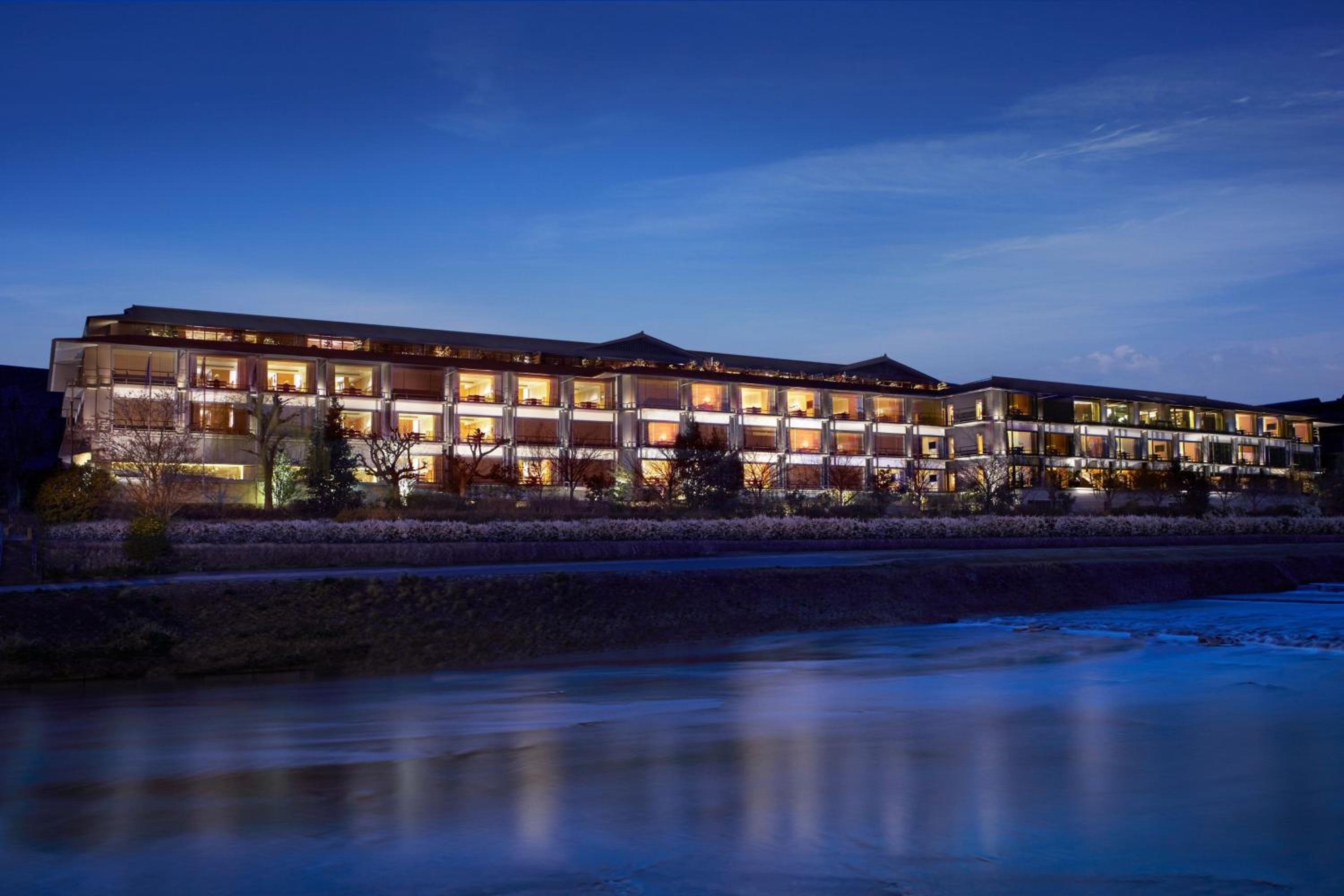
By Happi · Last updated September 2026
A little local perspective
$$ to $$$$ — roughly 40,000-180,000 yen a night, tripling in blossom and maple season
Kiyomizu-dera opens at six in the morning. Fushimi Inari never closes. Ginkaku-ji and the Philosopher's Path are empty at seven and solid by ten. The coaches arrive from Osaka and the Shinkansen crowds arrive from Tokyo somewhere between nine and ten, and from that point until late afternoon the eastern temples are a queue.
Those three hours are the whole difference between Kyoto as people describe it and Kyoto as most people experience it. Getting them requires being able to walk to a temple gate before breakfast, which requires being on the right side of the river.
Kyoto's great eastern temples run in a line along the base of the Higashiyama hills: Kiyomizu-dera in the south, then Kodai-ji, Chion-in, Nanzen-ji and Ginkaku-ji climbing north, with the Philosopher's Path linking the top half. All of them sit east of the Kamo river.
The city's hotels mostly sit west of it, around the station and the Karasuma business district, which is convenient for trains and twenty to thirty minutes by bus or taxi from any of those gates. Twenty minutes is enough to make a seven a.m. start feel like an effort, and enough that most visitors do not bother.
Stay in Higashiyama or Gion and Kiyomizu-dera is a fifteen-minute walk uphill. You go before breakfast, in the quiet, and you are back before the first coach arrives.
The eleven below are grouped by how far up the eastern slope they sit.
The eastern hills themselves, on the lanes between the temple gates. The quietest part of central Kyoto and the least convenient for trains, which is the trade.
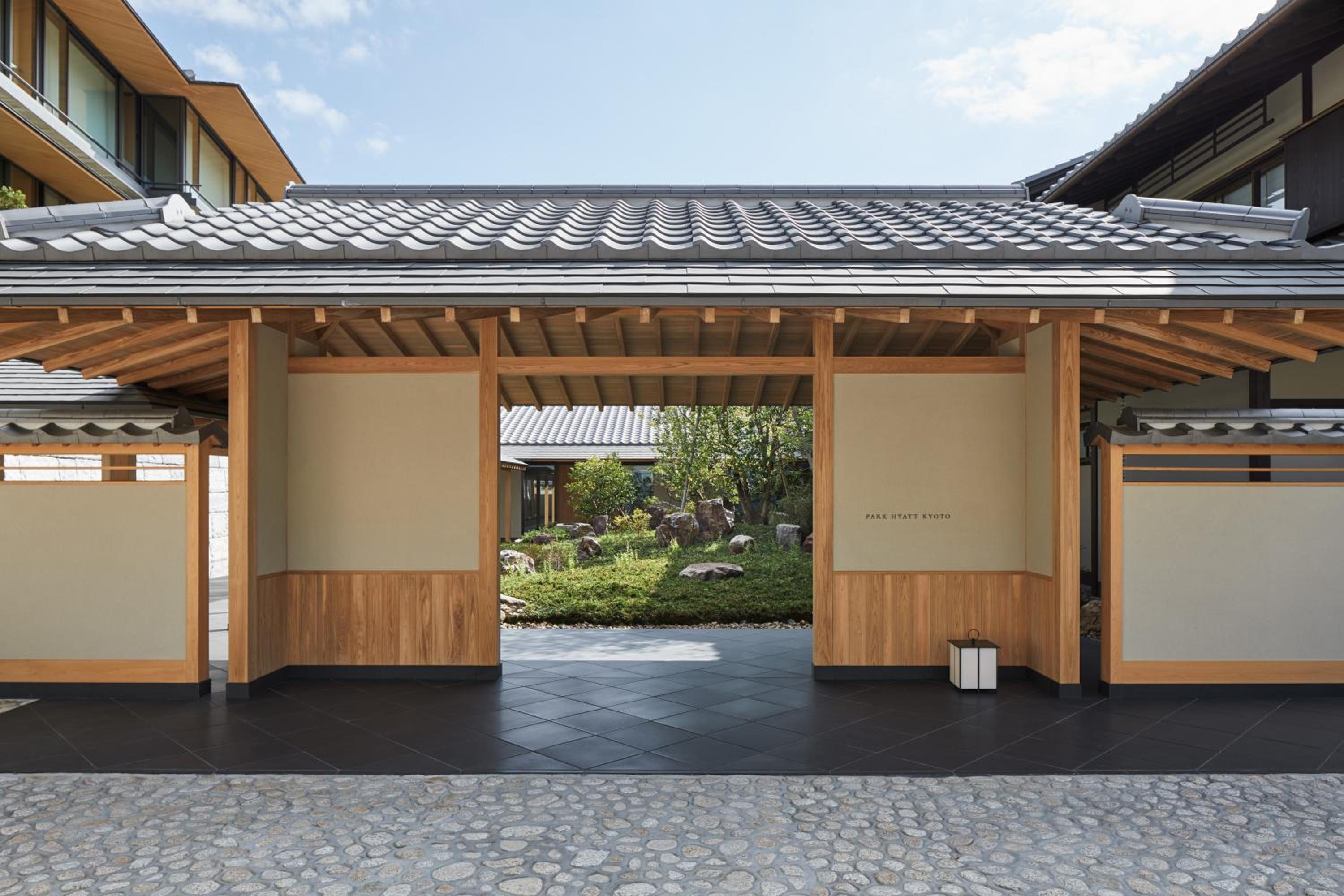
Park Hyatt Kyoto occupies a hillside beside Kodai-ji with low buildings around a courtyard, a tea house and a garden, and the temple bells are the alarm clock. It is the best hotel in Kyoto and the location is the reason.
Four Seasons Hotel Kyoto sits around an 800-year-old pond garden that predates the hotel by centuries, in the grounds of a former imperial retreat near Myoho-in. The garden is a genuine historic asset rather than a landscaped one.
Banyan Tree Higashiyama Kyoto occupies a hillside site above the Yasaka pagoda with the largest spa in the city and rooms built around private soaking tubs. It is the most contemporary of the eastern group.
Hyatt Regency Kyoto sits near Sanjusangendo at the southern end of the eastern temples, with the best-value rooms on this side of the river and a good garden restaurant.
The old entertainment district and the streets immediately behind it. Restaurants, machiya townhouses, and a five-minute walk to the river.
Sowaka is a small hotel in a converted Gion property with a garden, a handful of rooms and the most personal service in the city. It sits between the geiko district and the temple lanes.
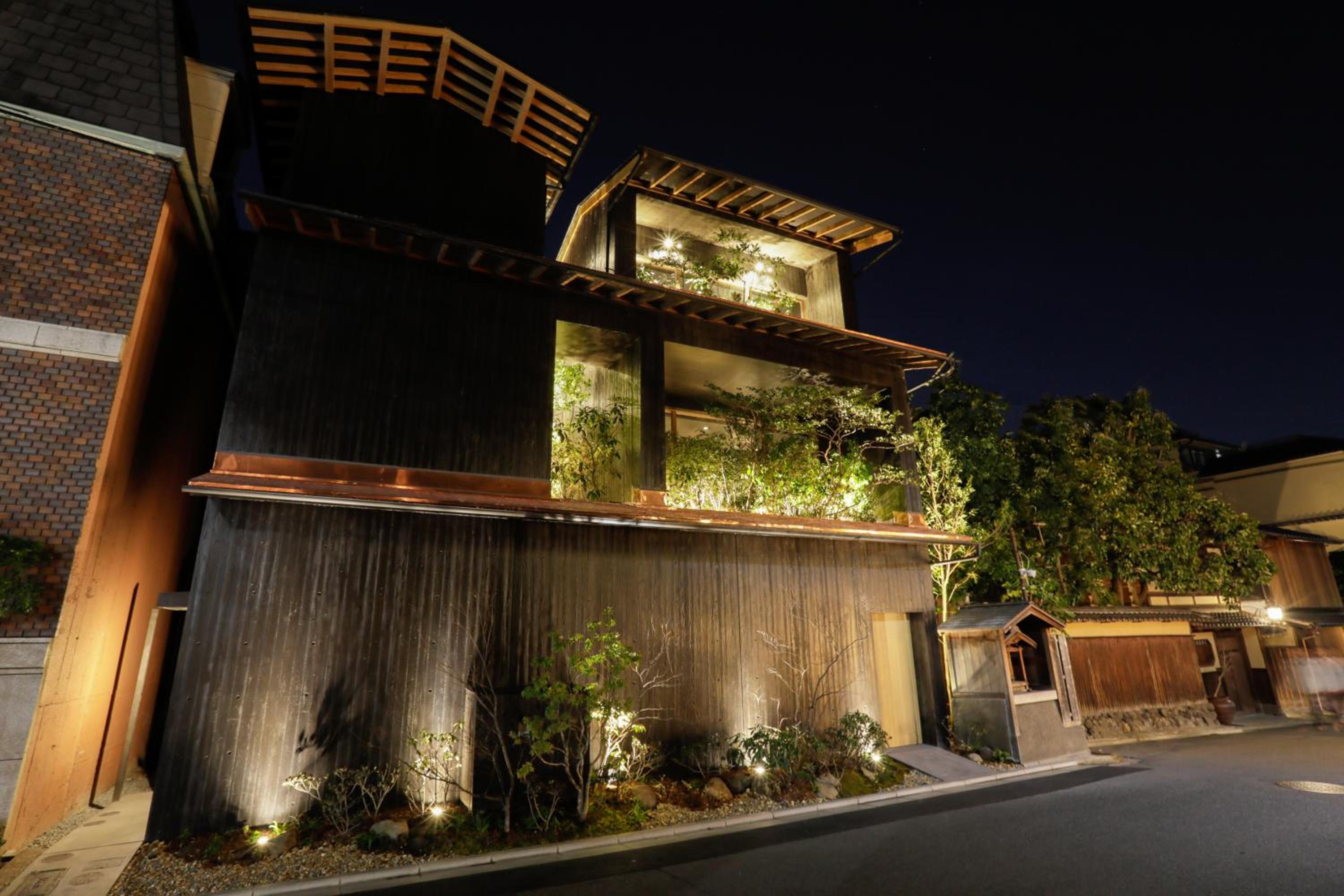
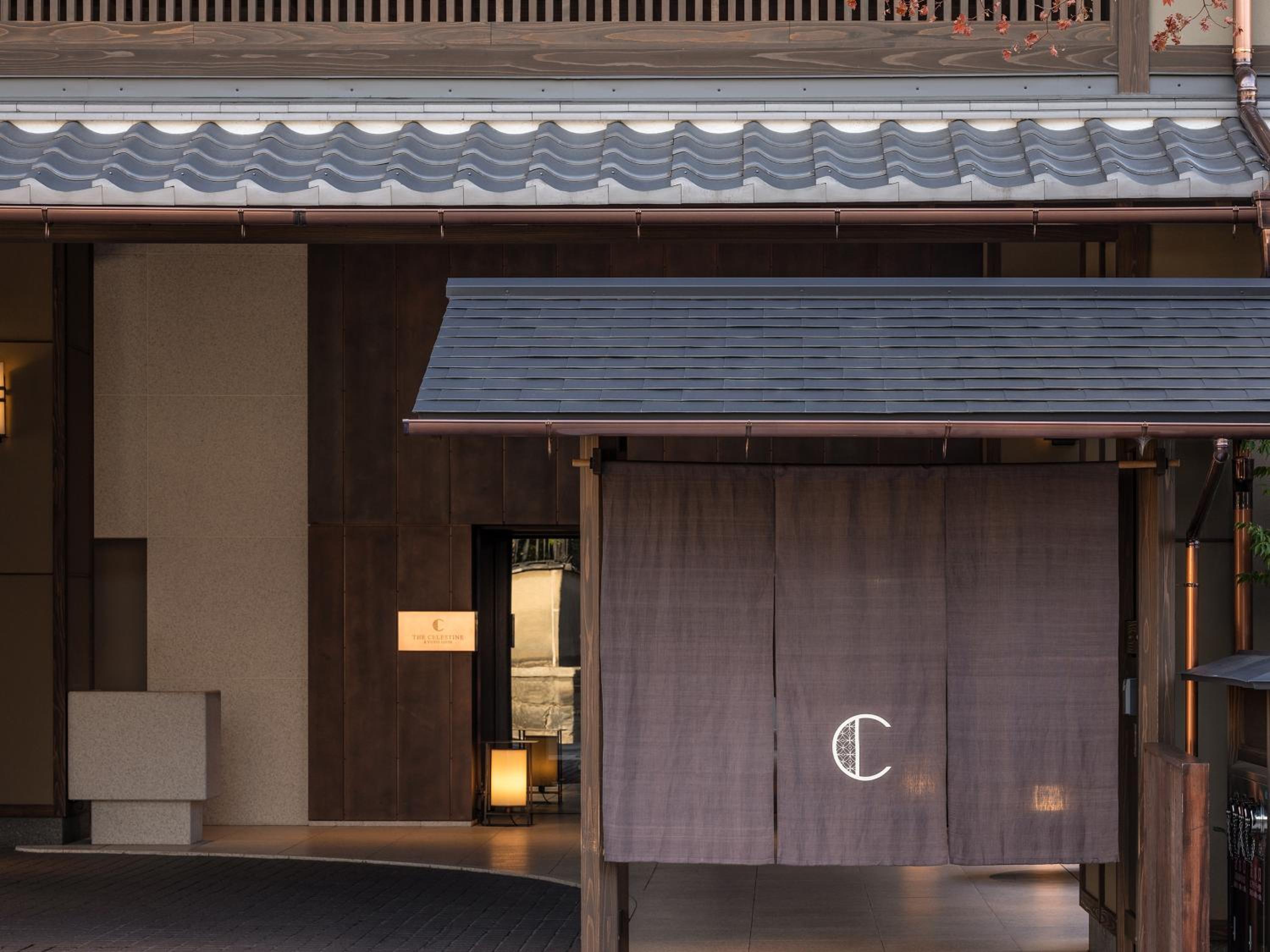
Hotel The Celestine Kyoto Gion occupies a modern building on the edge of Gion built around a Zen-style garden courtyard, with the most consistent rooms of the group. It is a two-minute walk from the Yasaka shrine gate.
Kyoto INN Gion is a traditional ryokan in the heart of Gion with kaiseki dinner served in the room and the option of a maiko performance. It is the most traditional stay on this list and requires understanding what a ryokan asks of a guest.
Seikoro Ryokan is a long-established ryokan near the river with tatami rooms, cypress baths and a family operation going back generations. It is the best value ryokan in central Kyoto.
The Kamo itself, which is the seam between the two halves of the city and the best walking in Kyoto at dusk.
The Ritz-Carlton, Kyoto sits on the western bank facing the eastern hills, with a garden running down to the water, the deepest service in the city and three restaurants worth booking independently. It is on the wrong bank technically and close enough to the bridges that it does not matter.
Solaria Nishitetsu Hotel Kyoto Premier occupies a position on Kiyamachi beside the canal with contemporary rooms and a rooftop, minutes from the Gion bridges.
Kyoto Yura Hotel MGallery sits below Kiyomizu on the eastern slope with a rooftop bath looking over the city and rooms at a considerably lower rate than the rest of this list.
The hotels around Kyoto Station are excluded, and they are the most convenient in the city for the Shinkansen and for day trips to Nara and Osaka. They are also twenty-five minutes from every eastern temple gate, which is exactly the distance that stops people going out at half past six.
Kiyomizu-dera at opening, then walk down through Sannenzaka and Ninenzaka while the shops are still shuttered. That hour is the best in Kyoto.
Fushimi Inari is open all night and is genuinely worth doing at five in the morning or after nine at night, when the tunnel of gates is empty. It takes two hours to the summit and most people turn back at the first viewpoint.
Arashiyama's bamboo grove is a fifteen-minute walk that appears in every photograph of Japan and is unbearable after nine. Go at seven or skip it.
Eat kaiseki once, properly, booked well ahead. Then eat at the counters in Pontocho and the standing bars around Nishiki market.
Kyoto has no airport. Osaka's Kansai is 75 minutes by train, Itami is 55 by bus. From Tokyo the Shinkansen takes 2 hours 15 minutes and is the better route.
April for cherry blossom and November for maples are extraordinary and completely full at triple rates; book six months out or avoid them deliberately. May, June, September and October are excellent and manageable. Summer is hot and humid, and January is cold, clear and nearly empty.
Buses are slow and crowded. Walk, use taxis, and use the two subway lines where they help.
Prices shown are sample rates from upcoming dates — not quotes for specific dates. Open a hotel and choose your own dates and guests to see the exact price.
One night in a ryokan is worth doing on any Kyoto trip. A week of them is a lot of tatami, early dinners and shared bathing for most visitors. Split the stay.
The main street is busy until early evening and the back lanes are quiet. Staying there gives you the district in the hours when nobody else is in it.
Four. Three is enough for the eastern temples and leaves nothing for Arashiyama, Fushimi or a day in Nara.
The eastern side is. The city as a whole is not; it is flat and large and the buses are slow. Base yourself east and taxi west when you need to.