Miyajima waterfront
Miyajima Grand Hotel Arimoto
Rooms facing the torii with baths over the water
Explore Hotel

Hiroshima and Miyajima, Japan
Whether you see the gate floating or walk out and stand beneath it is entirely a matter of which hour you arrive.
The places to stay
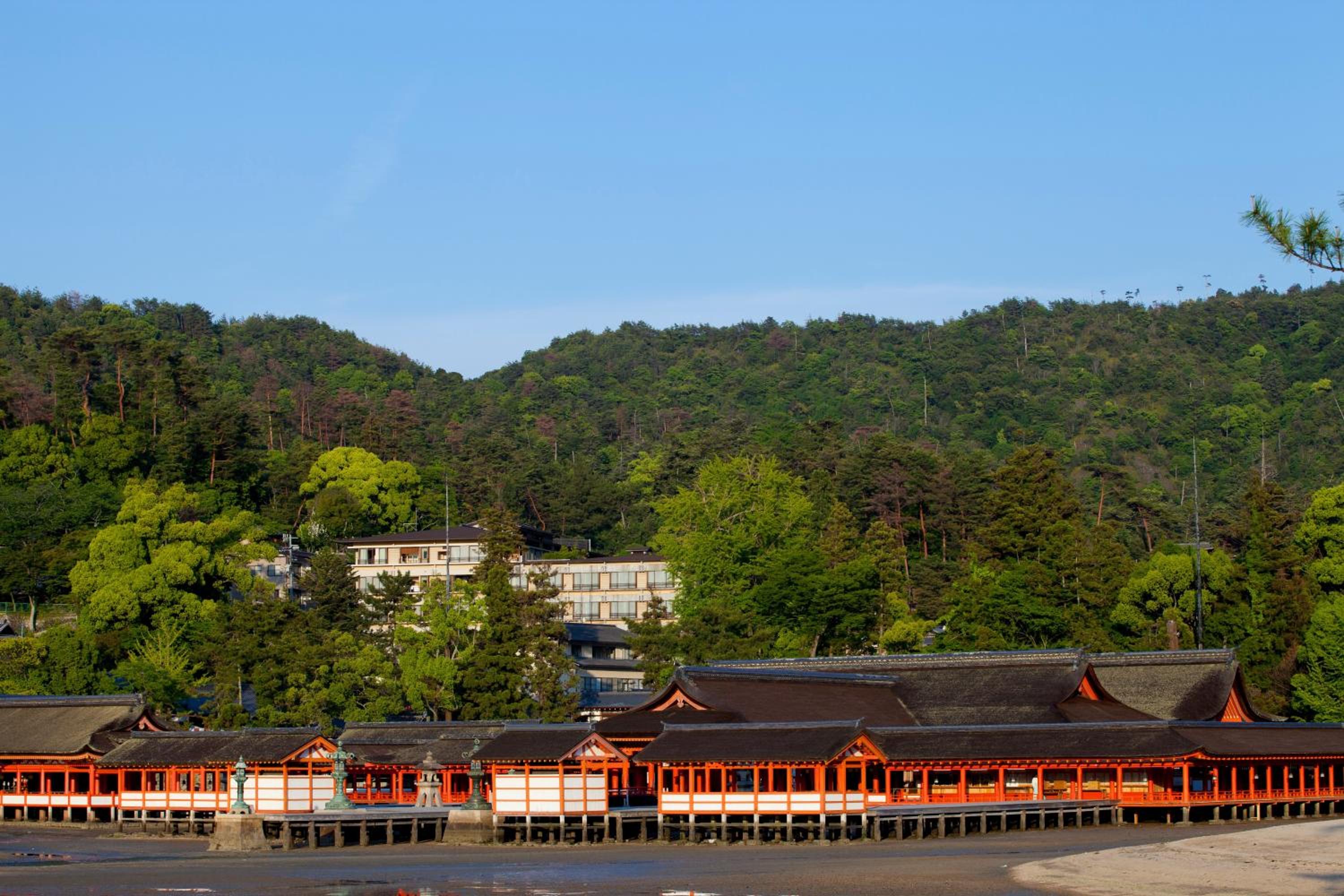
Miyajima waterfront
Rooms facing the torii with baths over the water
Explore Hotel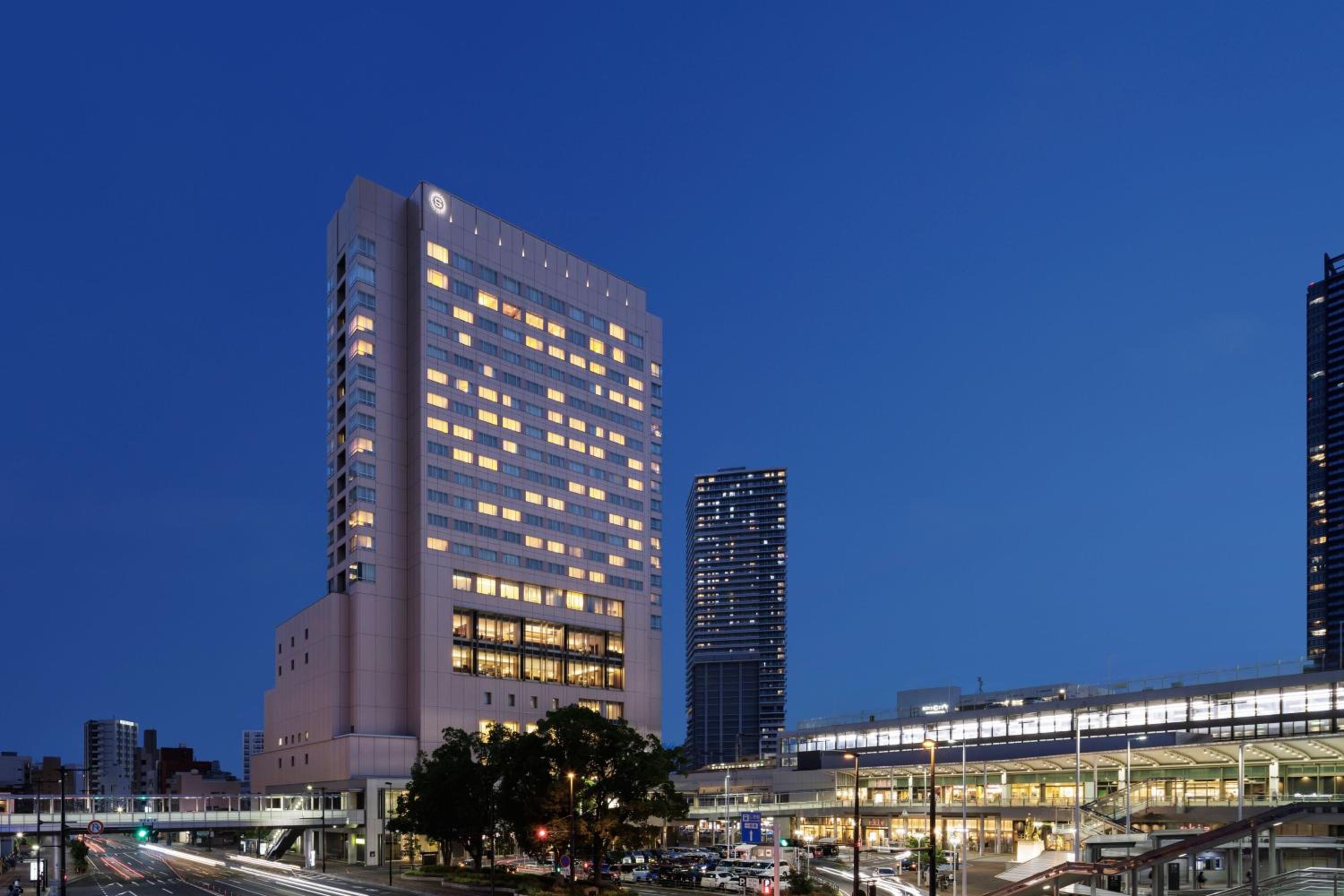
Hiroshima station
Spa and pool with the city's most polished service
Explore Hotel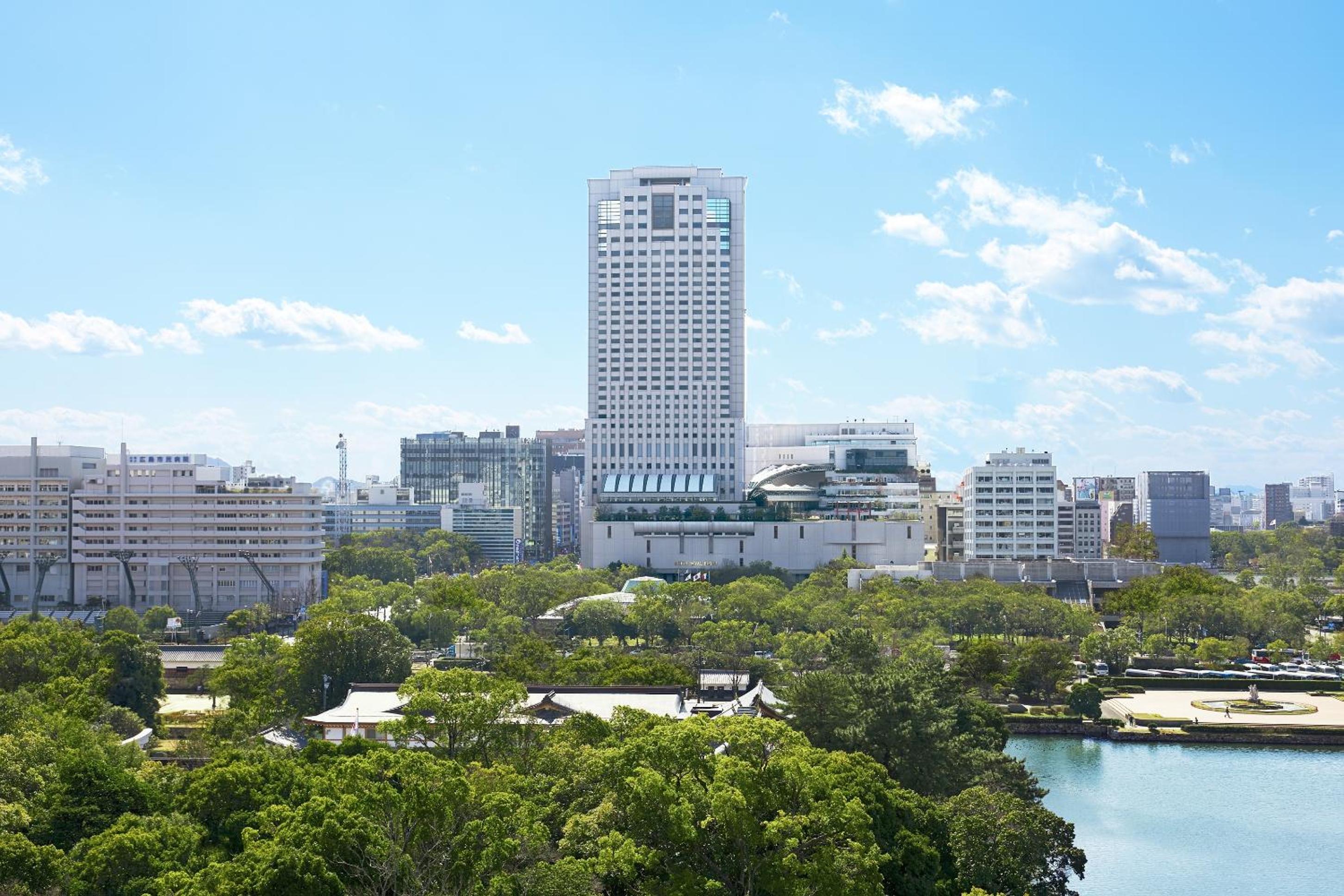
By Happi · Last updated September 2026
A little local perspective
$$ to $$$$ — roughly 25,000-90,000 yen a night, peaking in spring and November
The great torii at Itsukushima shrine stands in the sea. At high tide it appears to float, which is the image on every poster of Japan. At low tide the water withdraws entirely and you can walk out across wet sand and stand underneath it, which almost nobody plans for and which is arguably the better experience.
The tide shifts by roughly fifty minutes a day and the range at Miyajima is substantial. Whether you see the torii floating or standing on sand is entirely a matter of which hour you arrive, and the tide tables are published well in advance.
Miyajima is a twenty-minute ferry from the mainland and most visitors come as a day trip from Hiroshima, arriving mid-morning and leaving by five.
Stay overnight and the island changes completely. The day crowds go, the shrine is floodlit, the deer wander the lanes and the ryokan serve dinner. It is one of the more dramatic transformations in Japanese tourism and it costs one night.
The island is also small enough to walk: the shrine, the five-storey pagoda, the Daisho-in temple complex on the hillside and the Momijidani maple valley are all within twenty minutes of the ferry pier.
Hiroshima itself is thirty minutes back on the mainland. The Peace Memorial Park, the museum and the A-Bomb Dome are the reason to come, and they are handled with a seriousness that is not easily described in advance. Allow half a day and expect it to affect you.
The seven below are split between the island and the city.
On the island. Quiet after five, and the ryokan tradition.
Iwaso occupies a position in the Momijidani maple valley behind the shrine, operating since 1854, with wooden buildings, riverside rooms and detached cottages up the hill. It is the historic ryokan of the island and the maples in November are directly outside.
Miyajima Grand Hotel Arimoto sits on the waterfront with rooms facing the torii, communal baths looking at the water and a kaiseki kitchen. It is the most comfortable place to stay on the island.
Kinsuikan occupies a seafront position near the pier with baths on the top floor, tatami rooms and views across to the mainland.
Thirty minutes back on the mainland. The Peace Park and the city.
Sheraton Grand Hiroshima Hotel occupies a tower beside Hiroshima station with a spa, a pool and the most polished service in the city.
Rihga Royal Hotel Hiroshima sits in the centre with a bath on the top floor looking over the city, several restaurants and a long-standing local reputation.
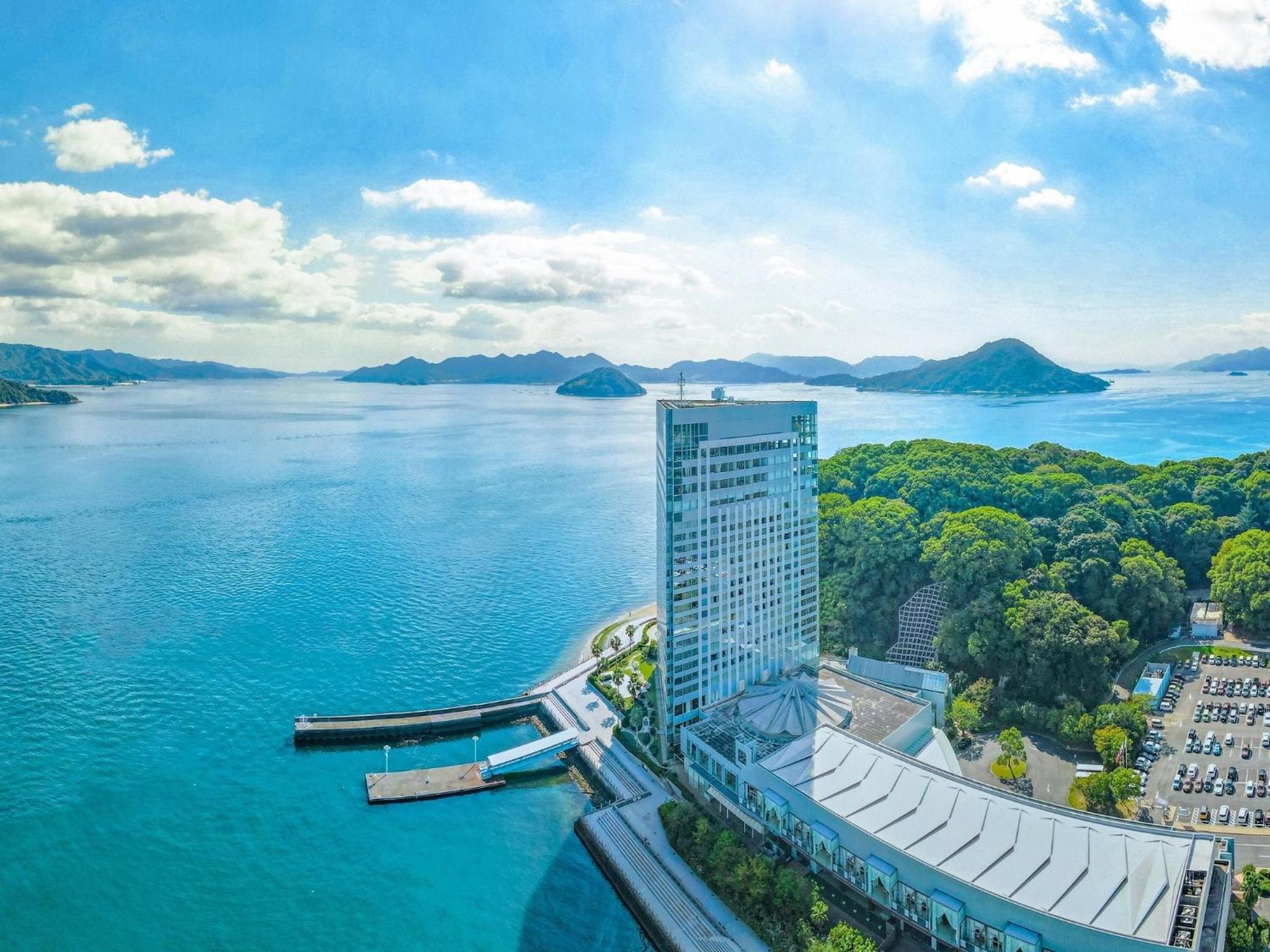
Grand Prince Hotel Hiroshima occupies a position on the waterfront in the south of the city with a garden, a pool and views across the bay to Miyajima.
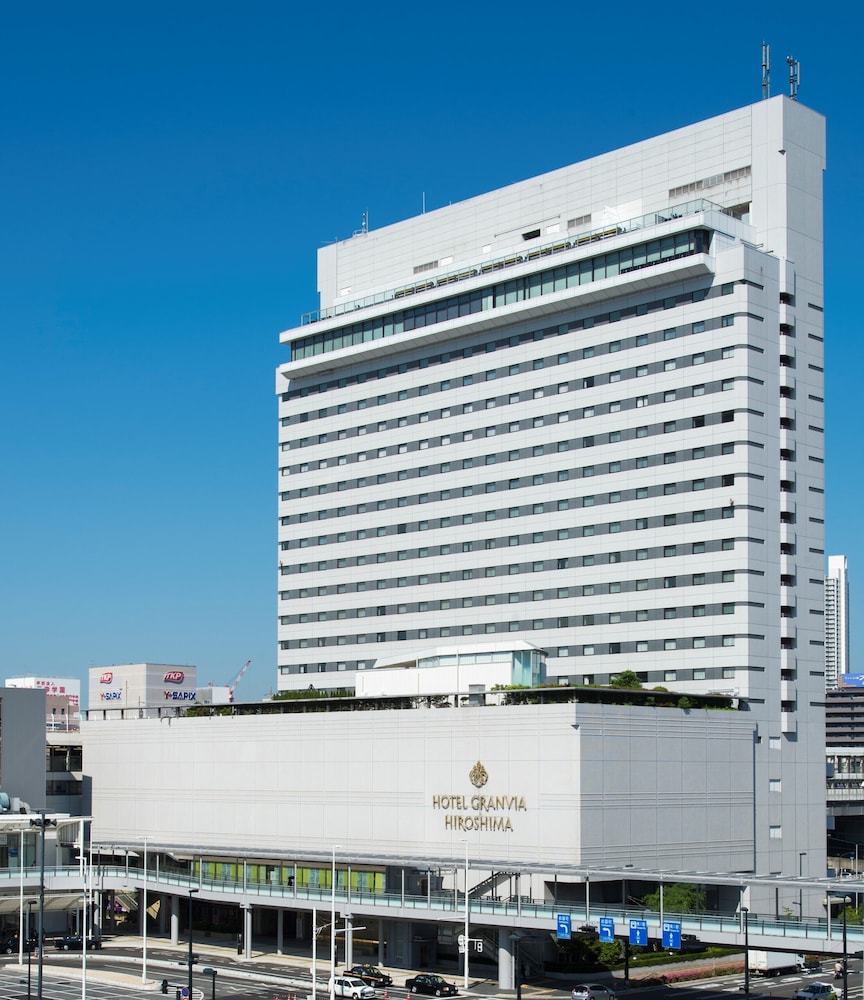
Hotel Granvia Hiroshima sits directly above Hiroshima station with the shortest possible transfer to the shinkansen and reliable rooms.
The minshuku and small guest houses on Miyajima are excluded, and on an island this size they are a substantial share of the beds and the traditional way to stay. They are guest houses rather than hotels.
Check the tide table before you plan the day. High tide for the floating torii, low tide to walk out to it, and the timing moves daily.
Go up Mount Misen, the island's peak at 535 metres, by ropeway and then a thirty-minute walk to the summit. The view over the Inland Sea is the best in the region.
Do the Peace Memorial Museum properly and without rushing. The A-Bomb Dome, the cenotaph and the children's monument with the paper cranes are outside it. Many visitors find they need the rest of the day quiet afterwards.
Eat okonomiyaki the Hiroshima way, which is layered rather than mixed and includes noodles, and oysters from the bay, which is where most of Japan's come from.
Take the ferry to the island in the late afternoon rather than the morning and watch the day-trippers leave.
Hiroshima is about ninety minutes from Osaka and four hours from Tokyo on the shinkansen. The ferry to Miyajima leaves from Miyajimaguchi, thirty minutes from central Hiroshima by tram or train.
Spring for the cherry blossom and November for the maples in Momijidani, both busy. Summer is hot and humid. Winter is cold and the island is very quiet, which some people prefer.
The deer on Miyajima are wild, tame and will eat paper, including your ferry ticket and your map.
Prices shown are sample rates from upcoming dates — not quotes for specific dates. Open a hotel and choose your own dates and guests to see the exact price.
Both if you can. High for the floating image, low to walk out and stand under it. The tide table decides.
Yes. After the day boats stop the island empties and the shrine is lit. It is a different place.
Half a day for the museum and the memorials, and most people want time afterwards.
Two. One on Miyajima and one in Hiroshima, or two on the island with a day trip in.