Funchal clifftop
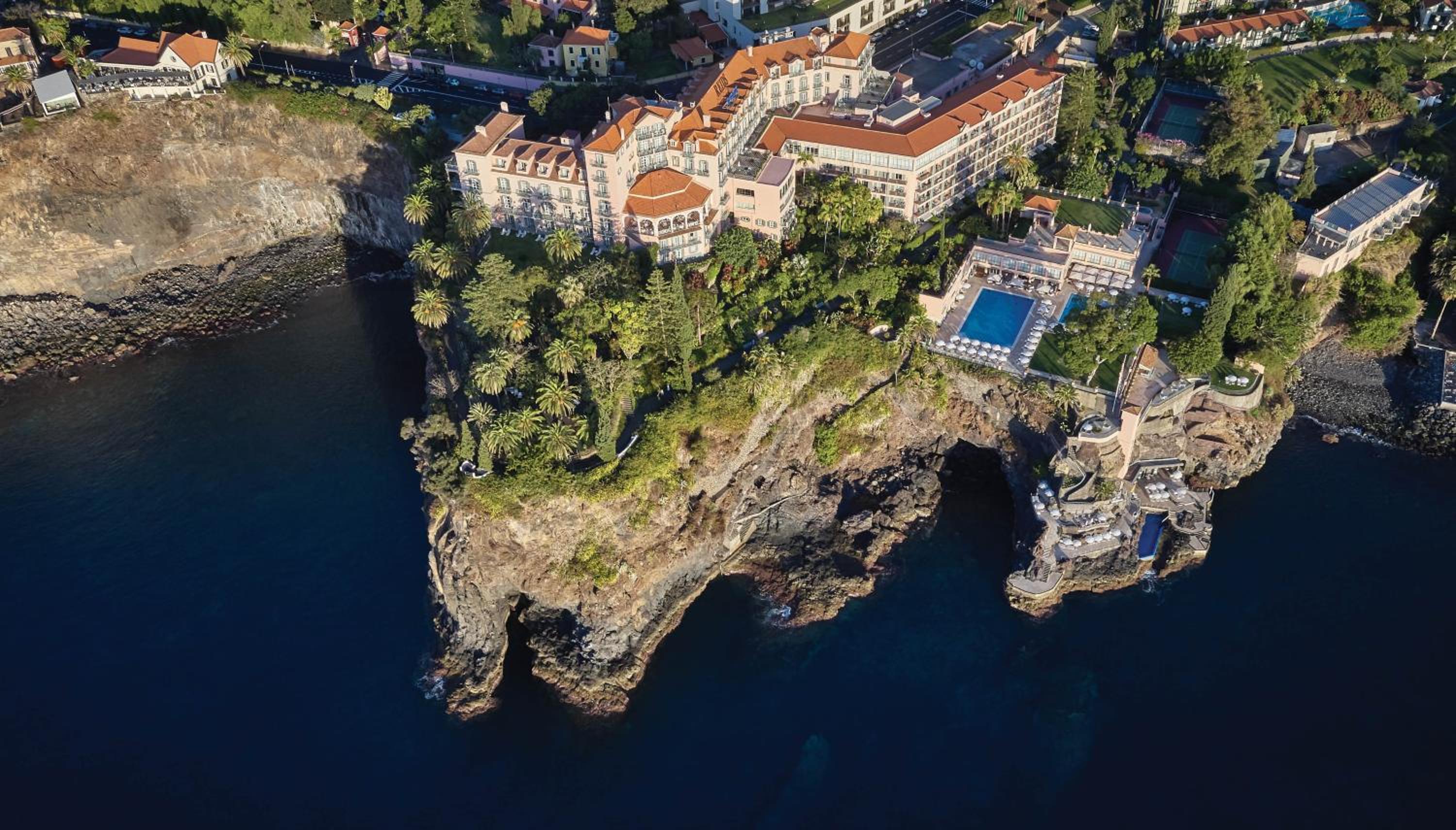
Belmond Reid's Palace
Subtropical gardens and a lift down to a sea platform since 1891
Explore Hotel

Madeira, Portugal
The top of a volcano rising 6,000 metres from the ocean floor. Anyone booking it as a beach holiday has misread the island.
The places to stay
Funchal clifftop
Subtropical gardens and a lift down to a sea platform since 1891
Explore Hotel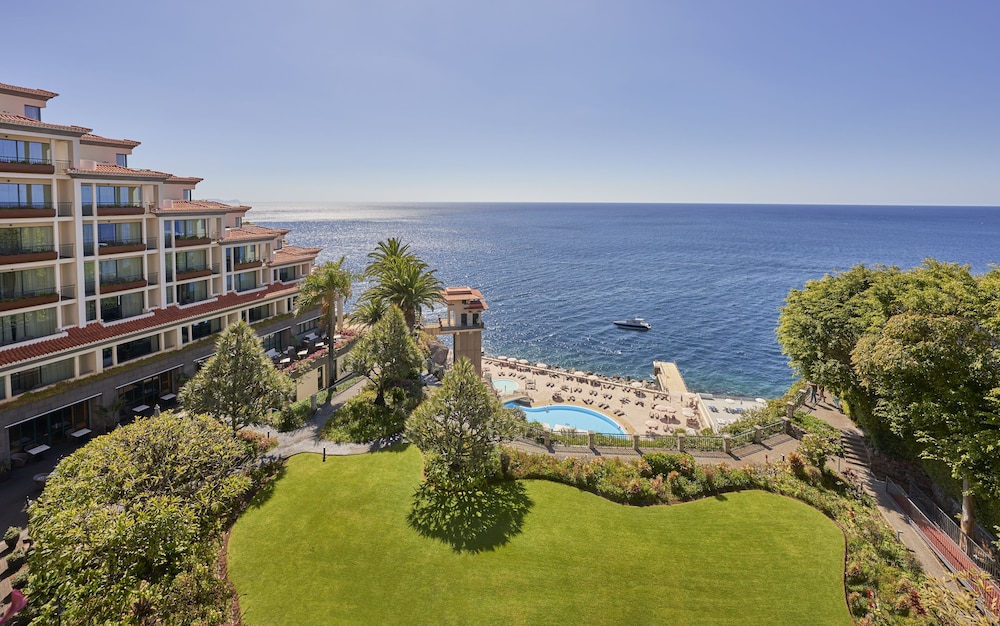
Lido strip, Funchal
Several pools and a lift to a bathing platform
Explore Hotel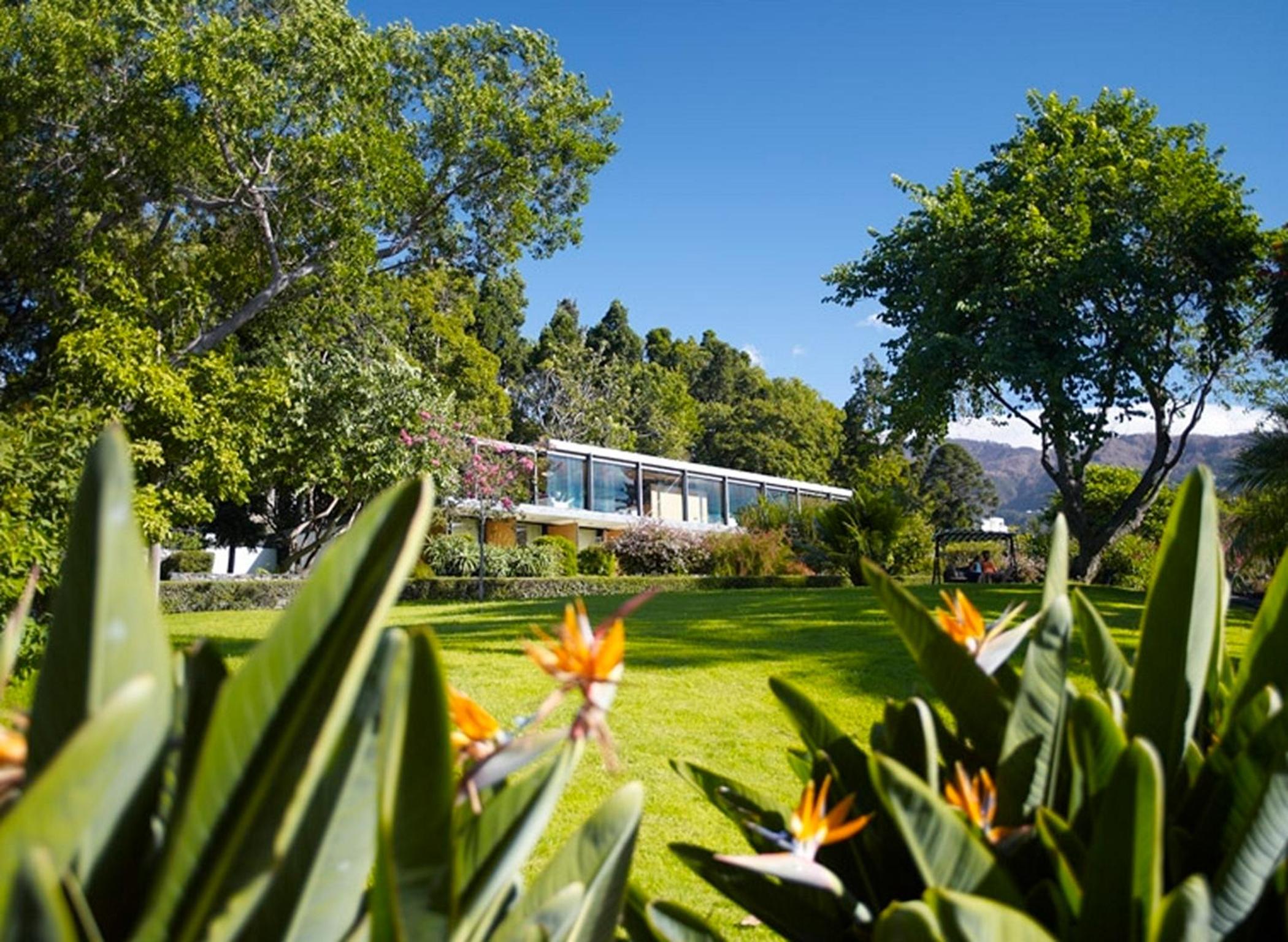
Santana, north coast
A clifftop vineyard hotel on the wild side of the island
Explore HotelBy Happi · Last updated September 2026
A little local perspective
$$ to $$$$ — roughly 180-700 euros a night, steady year round
Madeira has almost no sand. The island is the top of a volcano rising 6,000 metres from the ocean floor, the coast is basalt cliff, and the few beaches are either pebble or imported. Anyone booking it as a beach holiday has misread it.
What it has instead is a bathing culture built on the rock. Hotels along the Funchal seafront have lidos — concrete and stone platforms cut into the cliff with ladders and steps into deep Atlantic water, saltwater pools alongside them, and lifts down through the rock from the buildings above. At Porto Moniz and Seixal on the north coast, natural volcanic pools formed by lava flows fill and refresh with the tide.
Swimming here means a ladder into deep water rather than wading in off a beach, and it is genuinely better once you adjust.
The south coast, around Funchal, is the sheltered, sunny, developed side. Funchal is a proper small city of 100,000 built up an amphitheatre of hillside, with the market, the botanical gardens and a cable car.
The north coast is wetter, wilder and greener, with the volcanic pools, the laurel forest and far fewer people.
The interior rises to 1,862 metres at Pico Ruivo, with the levada walks — irrigation channels cut across the mountains from the sixteenth century, now footpaths, running for around 2,000 kilometres in total.
Madeira sits at the same latitude as Casablanca and the temperature holds between about 17 and 25 degrees all year. There is no bad season, which is unusual for anywhere in Europe.
The six below are grouped by that.
The Lido strip, with sea access from the rock.
Belmond Reid's Palace occupies a clifftop position with subtropical gardens, a lift down to a sea platform and a private bathing area on the rock. It has been operating since 1891 and it is the historic hotel of the Atlantic islands.
The Cliff Bay sits on the cliff at Lido with a natural rock pool, a sea platform, a heated seawater pool and a Michelin-starred restaurant. It is the best all-round hotel on the island.
Savoy Palace occupies a seafront tower with a rooftop pool, a large spa and direct access to the promenade and the sea platforms.
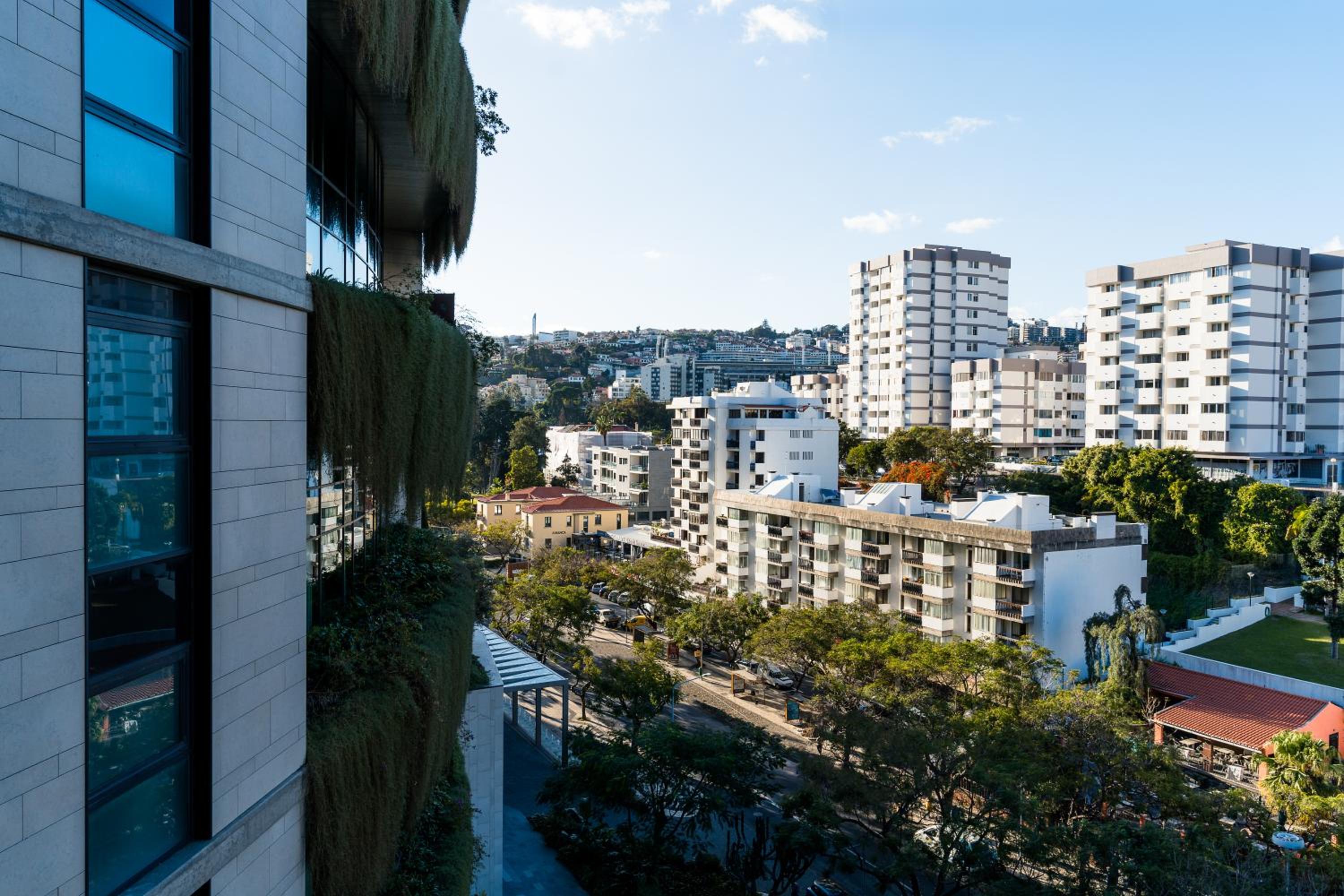
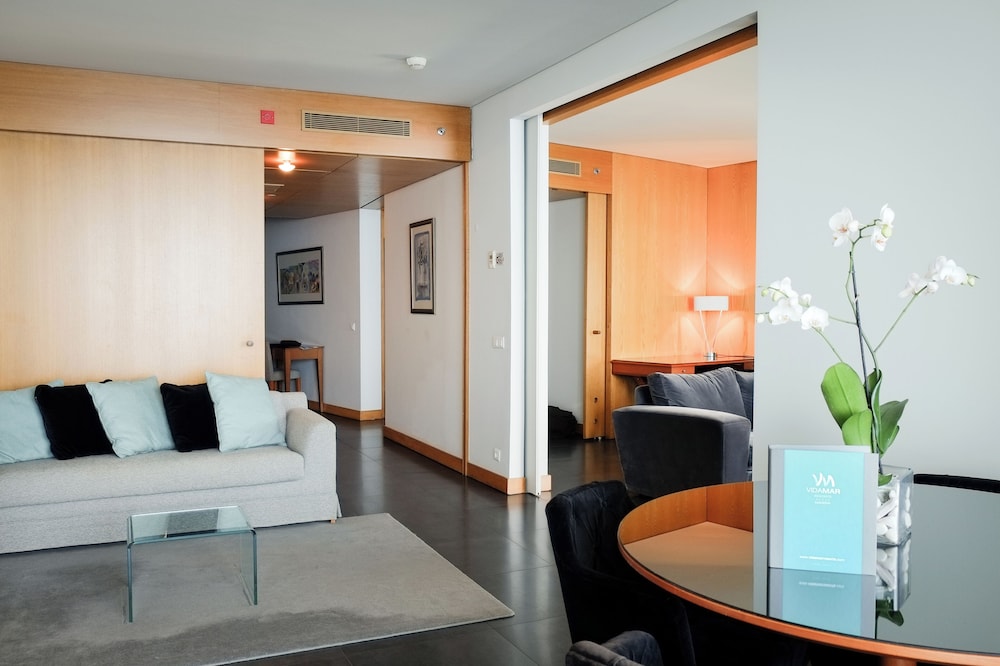
VidaMar Resorts Madeira sits on the Lido strip with several pools, a lift to a bathing platform and full family facilities.
Up the hillside, in gardens.
Quinta da Casa Branca occupies a nineteenth-century quinta in a botanical garden above the city, with a pool among the planting and no sea access at all. It is the quietest place to stay in Funchal and the trade is explicit.
Away from Funchal, on the wild side.
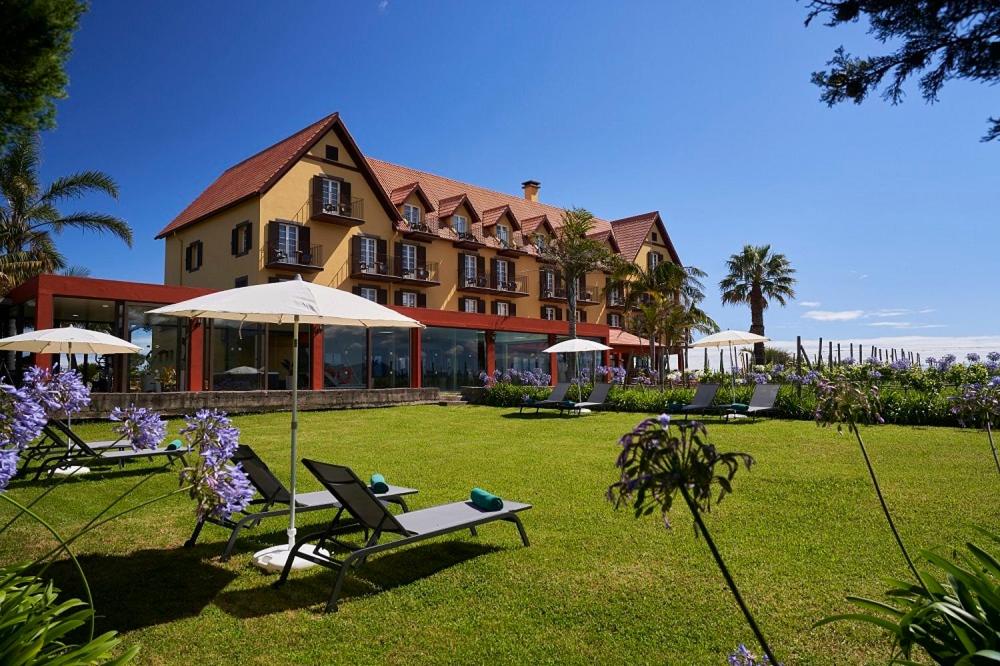
Quinta do Furão sits on a clifftop at Santana on the north coast with a pool, a vineyard and views over the Atlantic, an hour from Funchal and in a completely different climate.
The self-catering quintas and apartments across the island are excluded, and they are how many long-stay visitors do Madeira, particularly walkers. They are houses rather than hotels.
Walk a levada. The channels are flat, follow the contour and run through the laurel forest, which is a UNESCO site and a relic of a forest type that covered southern Europe millions of years ago. The 25 Fontes and Levada do Caldeirão Verde are the classics. Some sections have exposed drops and require a head torch for tunnels.
Swim at Porto Moniz in the natural volcanic pools, which is the island's set piece.
Take the cable car up to Monte and come down in a wicker toboggan steered by two men in white, which is a nineteenth-century transport method that survives as a ride and is more alarming than it sounds.
Go up Pico do Arieiro before dawn and walk the ridge to Pico Ruivo above the cloud, which is the best thing on the island.
Drink the wine, which is fortified and heated in the making, and eat espada with banana, which is a black scabbard fish from very deep water.
Funchal's airport is 20 minutes east of the city and has a famously demanding approach on a runway extended on pillars over the sea. Flights are occasionally diverted in high wind.
There is no bad season. Summer is warm and dry, winter mild with more rain on the north coast. New Year has one of the largest fireworks displays in the world.
The roads are steep, winding and full of tunnels. A hire car is useful and the driving is more demanding than the distances suggest.
Prices shown are sample rates from upcoming dates — not quotes for specific dates. Open a hotel and choose your own dates and guests to see the exact price.
Almost none. The island swims off rock platforms, lidos and natural volcanic pools. It is better than it sounds and it is not a sand holiday.
Any month. Temperatures hold between roughly 17 and 25 degrees year round.
It is one of the best walking islands in the world, with around 2,000 kilometres of levada paths.
Six. Four in Funchal with levada days and two on the north coast.

