A little local perspective
Worth knowing.
Worth going.
- Destination
- Puglia, Italy
- The selection
- 12 hotels
- Your kind of trip
- food · couples · families · countryside
$$$ to $$$$ — roughly 300-1,500 euros a night, closed much of the winter
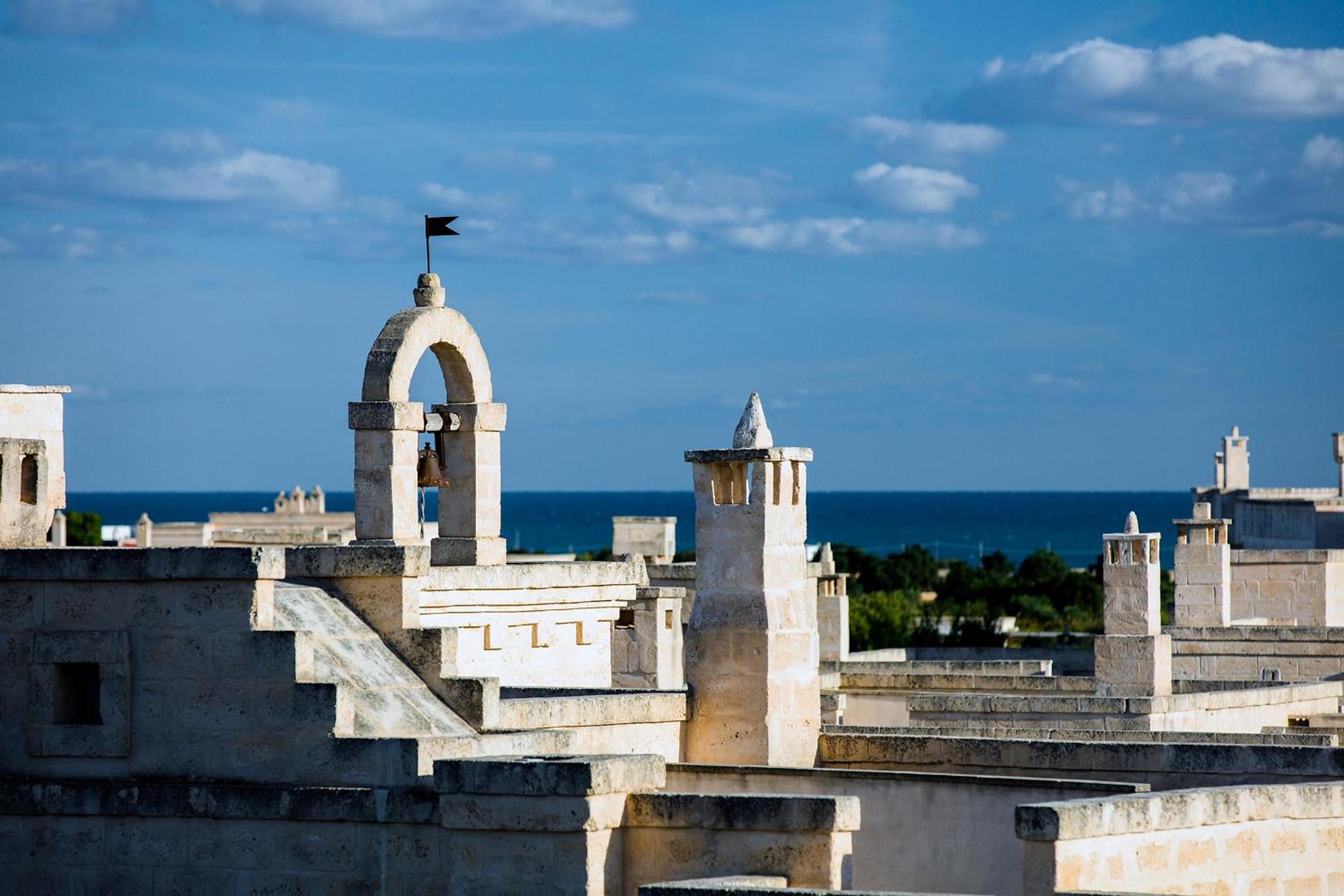
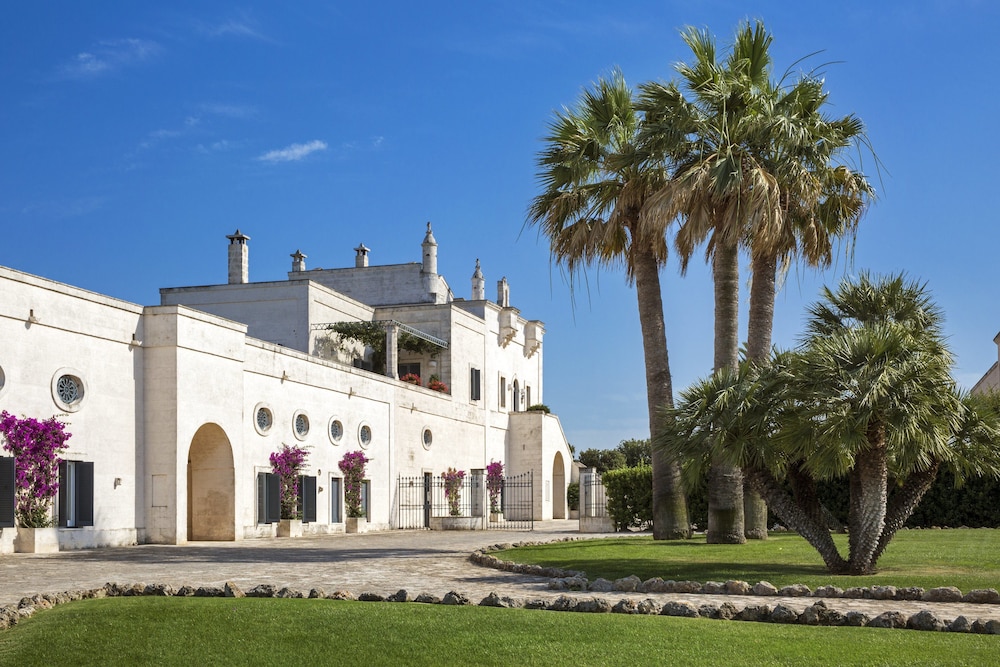
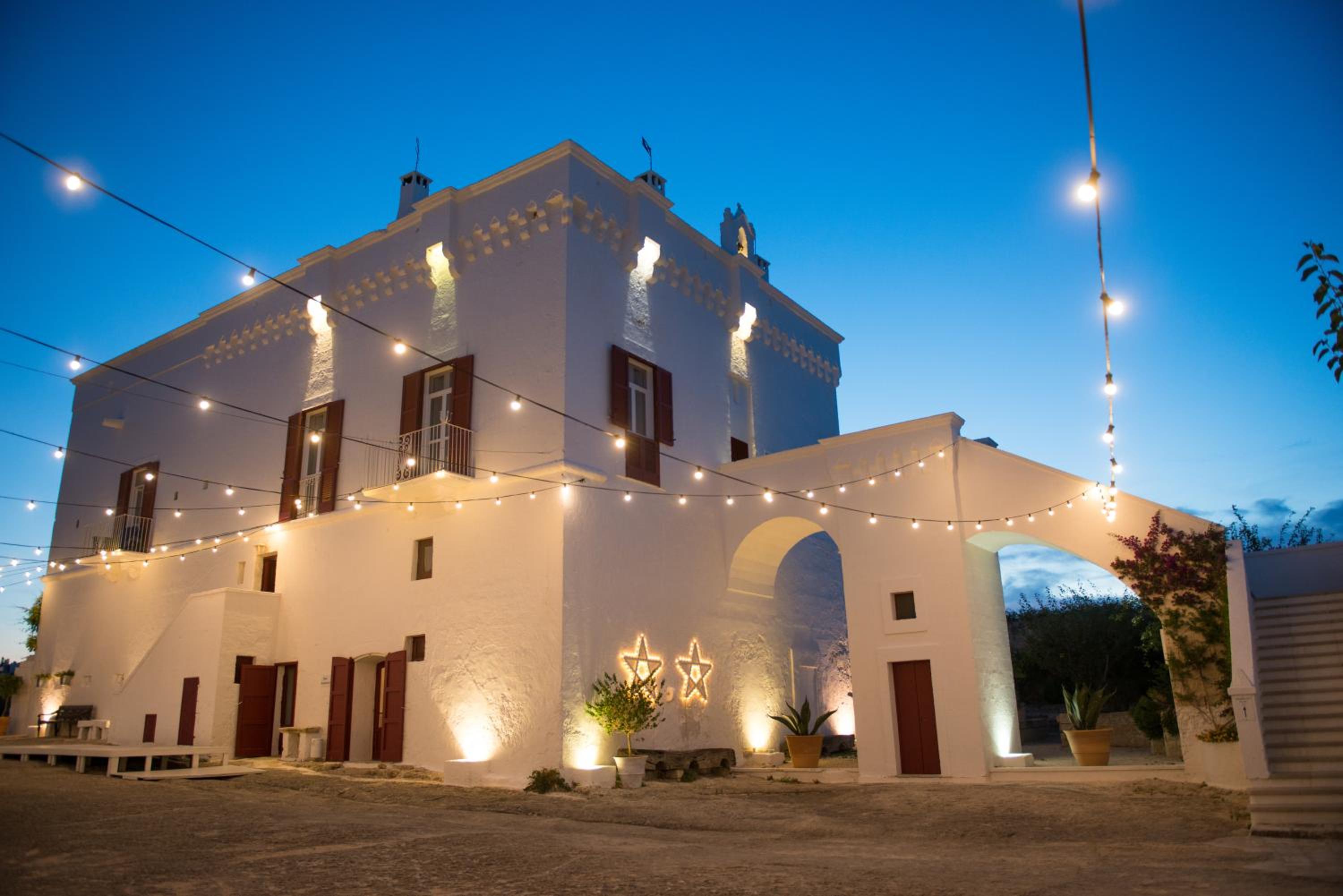
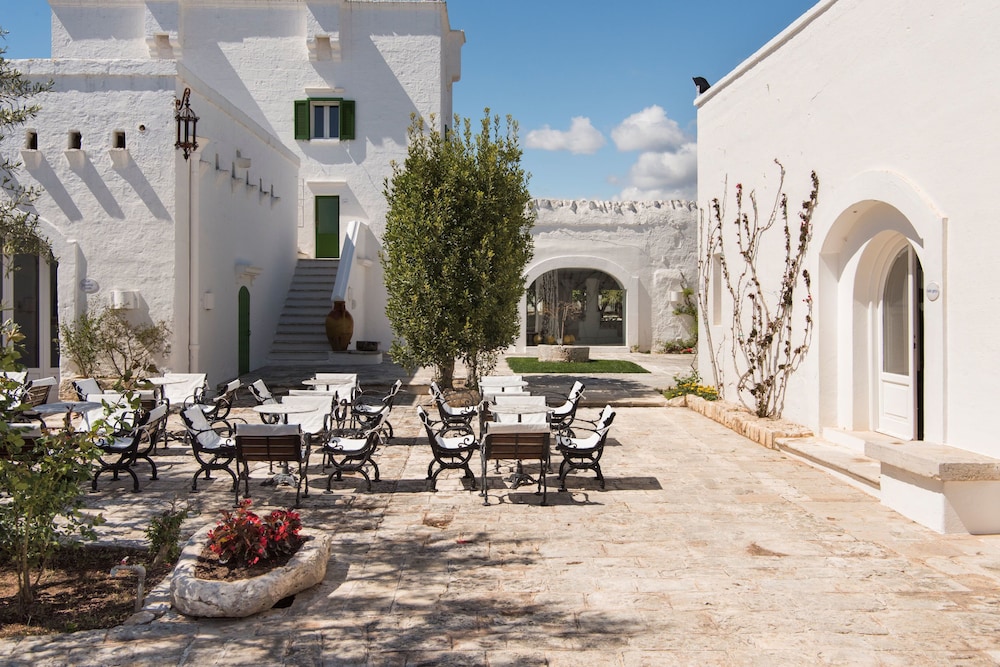
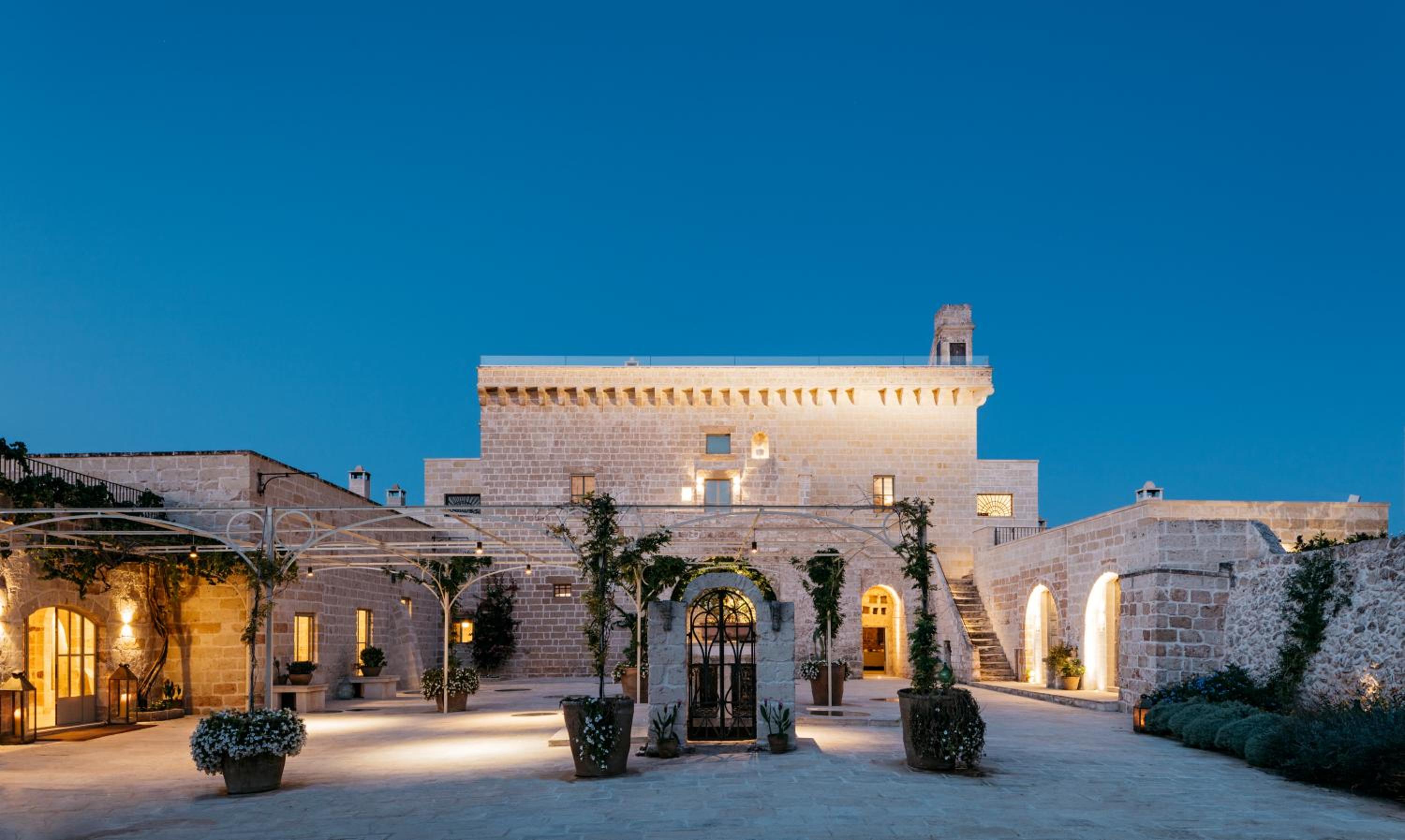
A masseria is a fortified farmhouse. They were built across Puglia from the sixteenth century onward, whitewashed and thick-walled with a defensive tower, an enclosed courtyard and sometimes a chapel, because the coast was raided regularly and the farms needed to be defensible.
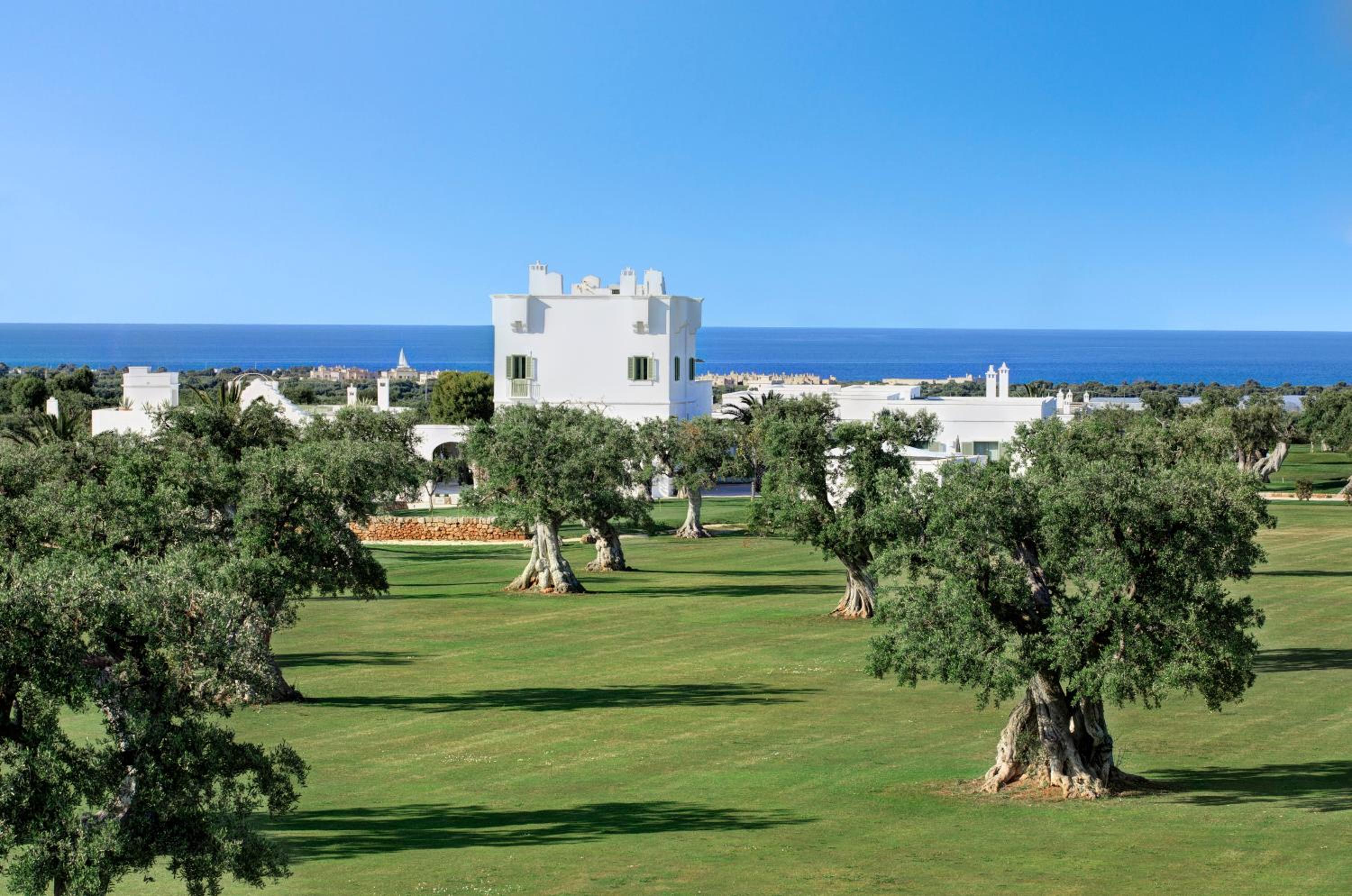
Most of them were olive estates. Puglia produces a very large share of Italy's olive oil, and the trees around these buildings are often centuries old, with trunks that have twisted into shapes that look sculpted.
Over the last twenty-five years a considerable number of masserie have been restored as hotels. That is the reason to come to Puglia rather than Tuscany.
The two halves of the region
Puglia is the heel of Italy and it is long — about 400 kilometres from the Gargano promontory in the north to Santa Maria di Leuca at the tip.
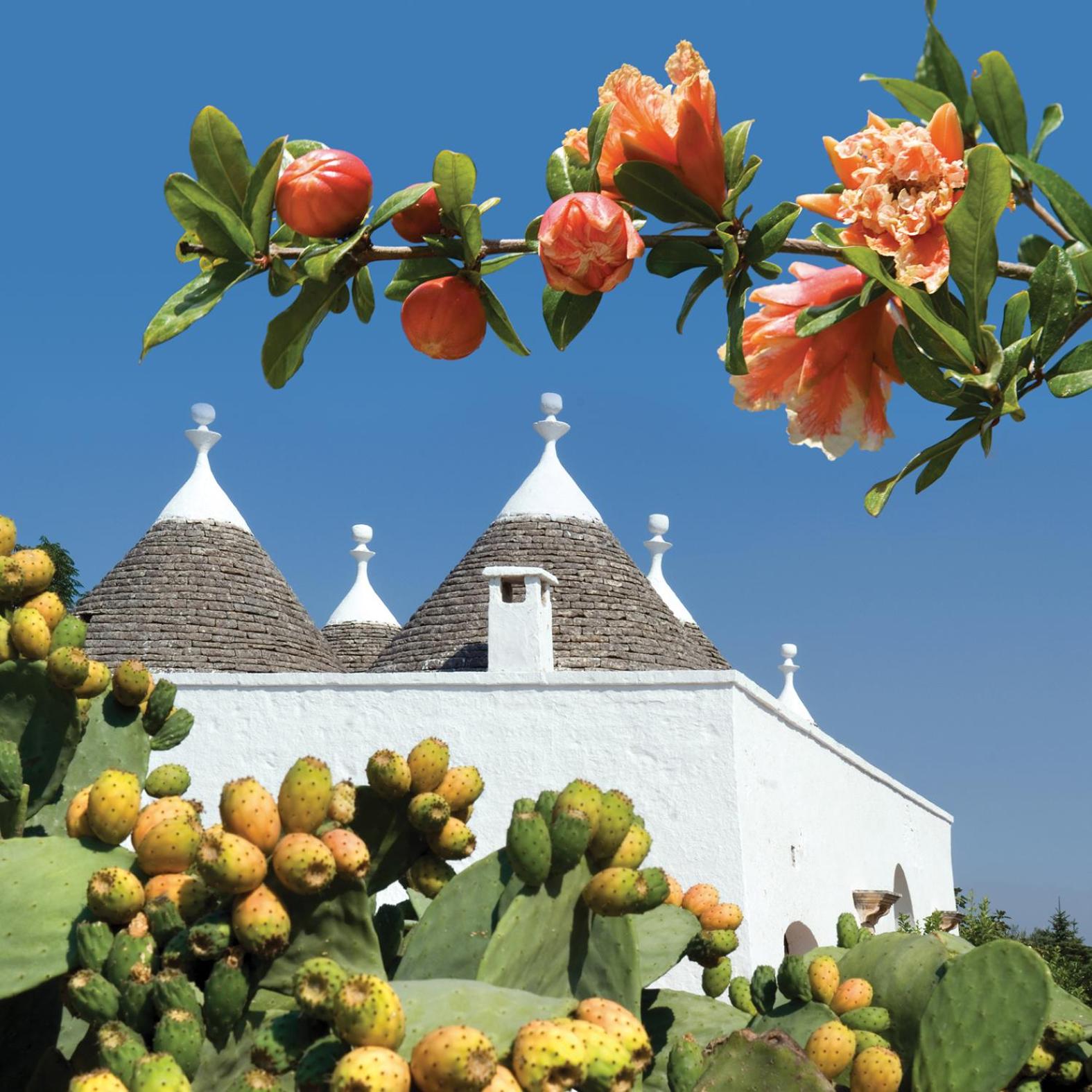
The Valle d'Itria, inland from the Adriatic coast around Ostuni, Cisternino and Alberobello, is the masseria heartland: white towns on hills, dry stone walls, olive groves and the trulli, conical stone huts found nowhere else.
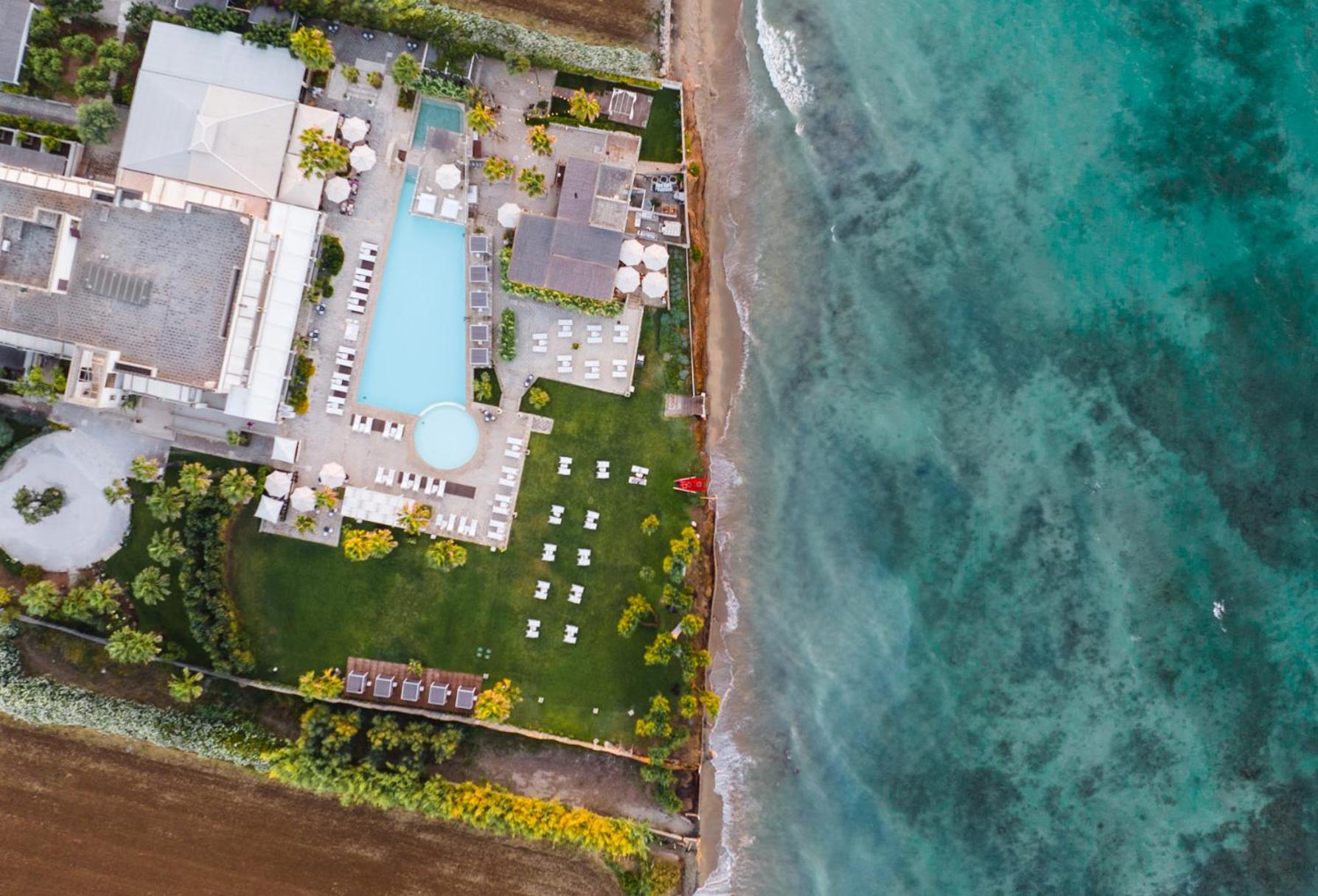
The coast around Savelletri and Monopoli has the sea and the highest concentration of large restored estates.
Lecce and the Salento, an hour and a half south, is the baroque city and the peninsula below it, with beaches on both the Adriatic and Ionian sides and a different, hotter feel.
One honest note about the landscape: a bacterial pathogen has killed a very large number of olive trees in the Salento over the past decade, and stretches of the southern peninsula have standing dead groves. It is a real and visible thing and the region is replanting resistant varieties.
The thirteen below are grouped by area.
The coast at Savelletri and Monopoli
The sea, and the largest estates.
Borgo Egnazia occupies a purpose-built village in local stone with a golf course, four pools, a beach club and a spa, laid out as though it were an old town. It is the largest luxury property in Puglia and the best for families.
Masseria San Domenico sits in olive groves near Savelletri as a whitewashed masseria with a spa carved into a cave, a private beach and a level of restraint the newer properties lack.
Masseria Torre Maizza occupies a sixteenth-century masseria with a defensive tower, a golf course, a beach club and gardens. It is the most complete of the restored estates.
Masseria Torre Coccaro sits nearby in a masseria with a spa in an old grain store, a cookery school and a cave restaurant.
Masseria Cimino occupies a smaller masseria on the same stretch with a pool among the olives and access to the larger properties' facilities.
Masseria Il Melograno sits in a citrus and olive estate outside Monopoli with a walled garden, a pool and rooms in restored farm buildings.
Don Ferrante occupies a position on the Monopoli sea walls, built into the sixteenth-century fortifications with rooms over the water.
Canne Bianche Lifestyle Hotel sits at Torre Canne on the coast with a beach, a large pool and a contemporary interior at a lower rate.
The Valle d'Itria and Ostuni
Inland. White towns, dry stone walls and the trulli.
Masseria Le Carrube occupies an olive estate outside Ostuni with a long pool among the trees, low white buildings and a deliberately quiet operation.
Lecce and the Salento
An hour and a half south. Baroque, heat and two coastlines.
Masseria Trapana occupies a masseria within Lecce's own boundaries with a walled garden, a pool and a short drive into the baroque centre.
La Fiermontina Urban Resort sits in a Lecce townhouse with a garden of olive trees, a sculpture collection and a courtyard, in the middle of the city.
Patria Palace Lecce occupies a seventeenth-century palace on the Lecce square with frescoed rooms and a rooftop over the basilica.
Palazzo Daniele sits at Gagliano del Capo near the tip of the peninsula in an eighteenth-century palazzo with frescoed rooms, a courtyard pool and no signage. It is the most striking small hotel in southern Italy.
What we have left off
The trulli conversions around Alberobello are excluded, and staying in a conical stone hut is a genuine Puglian experience. They are self-catering rentals rather than hotels.
What to do
Eat. Puglia's food is vegetable-driven and the region's own: orecchiette with turnip tops, burrata from Andria, fava bean purée with chicory, raw seafood on the Adriatic coast.
See the white towns. Ostuni, Locorotondo, Cisternino and Martina Franca are each worth an evening, and Alberobello's trulli district is worth an hour early in the day before the coaches.
Go to Lecce for the baroque, which is carved in a soft local limestone that allowed a level of ornament stone elsewhere does not permit.
Swim on both coasts. The Adriatic side has rock and clear water; the Ionian side around Porto Cesareo and Gallipoli has the sand.
Visit an olive estate and a frantoio ipogeo, an underground press cut into rock, of which several survive.
Practical notes
Bari and Brindisi both have airports; Brindisi is closer to the Valle d'Itria and Lecce. A car is essential.
May, June, September and October are ideal. July and August are very hot and Italian holiday season fills the coast. Many masserie close from November to March.
Distances are longer than they look and the coastal roads are slow in summer.
Explore 4 & 5 Star Puglia Hotels
Prices shown are sample rates from upcoming dates — not quotes for specific dates. Open a hotel and choose your own dates and guests to see the exact price.
Questions people actually ask
What is a masseria?
A fortified farmhouse, usually on an olive estate, built from the sixteenth century when the coast was raided. Many are now hotels.
Coast or Valle d'Itria?
Coast for beaches and the largest estates, the valley for white towns and quiet. They are twenty minutes apart.
Is Lecce worth the drive?
An hour and a half south, and yes. The baroque there is unlike anything else in Italy.
How many nights?
Seven. Four on the coast or in the valley and three in the Salento.