The peristyle, inside the palace
Hotel Vestibul Palace
Rooms against Roman walls on the central courtyard
Explore Hotel

Split and Hvar, Croatia
Refugees moved inside Diocletian's walls in the seventh century and never left. It is the most complete Roman palace anywhere and it is a neighbourhood.
The places to stay
The peristyle, inside the palace
Rooms against Roman walls on the central courtyard
Explore Hotel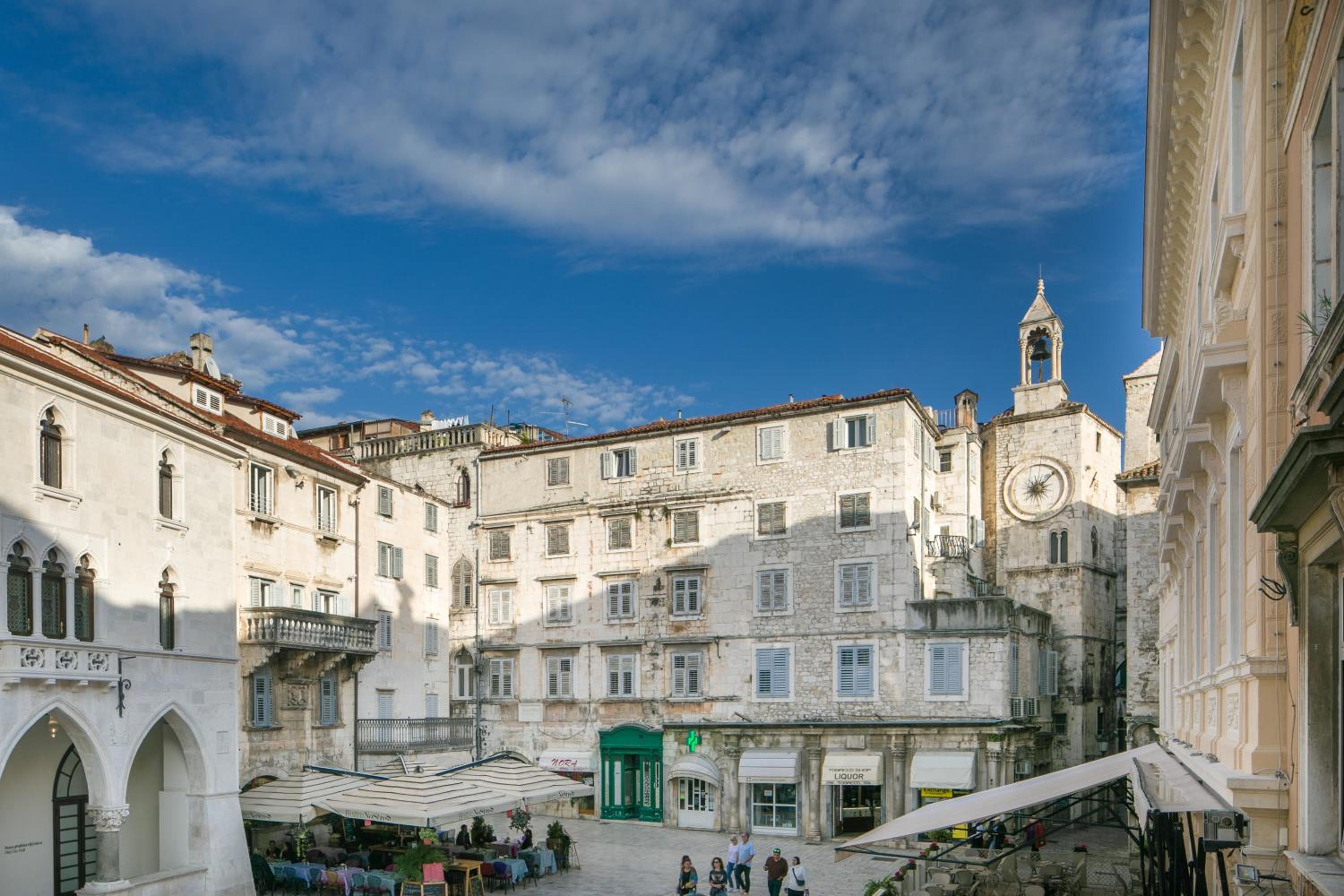
Inside the palace walls
Exposed original masonry near the Golden Gate
Explore Hotel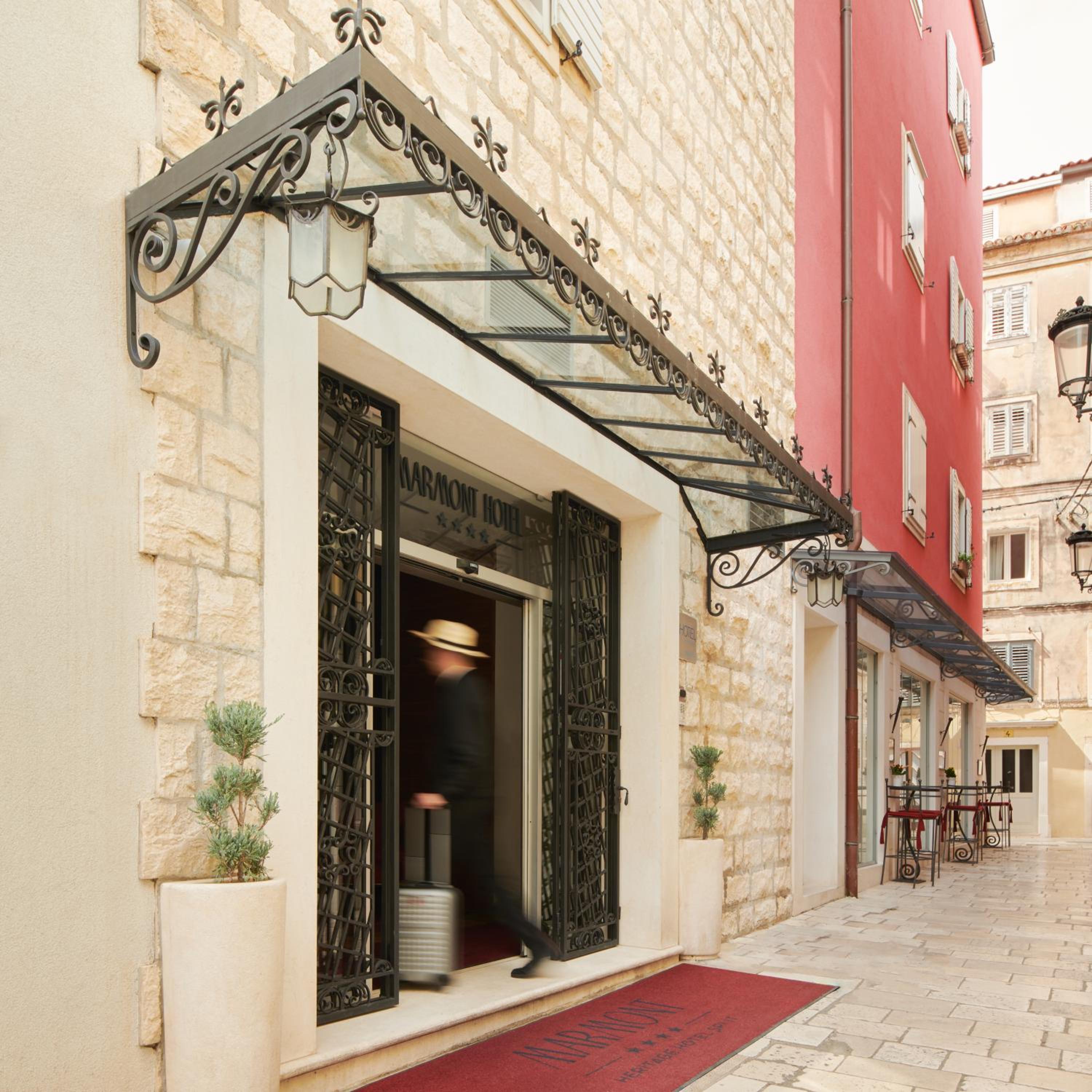
Just outside the western wall
The palace at the door with a quieter night
Explore Hotel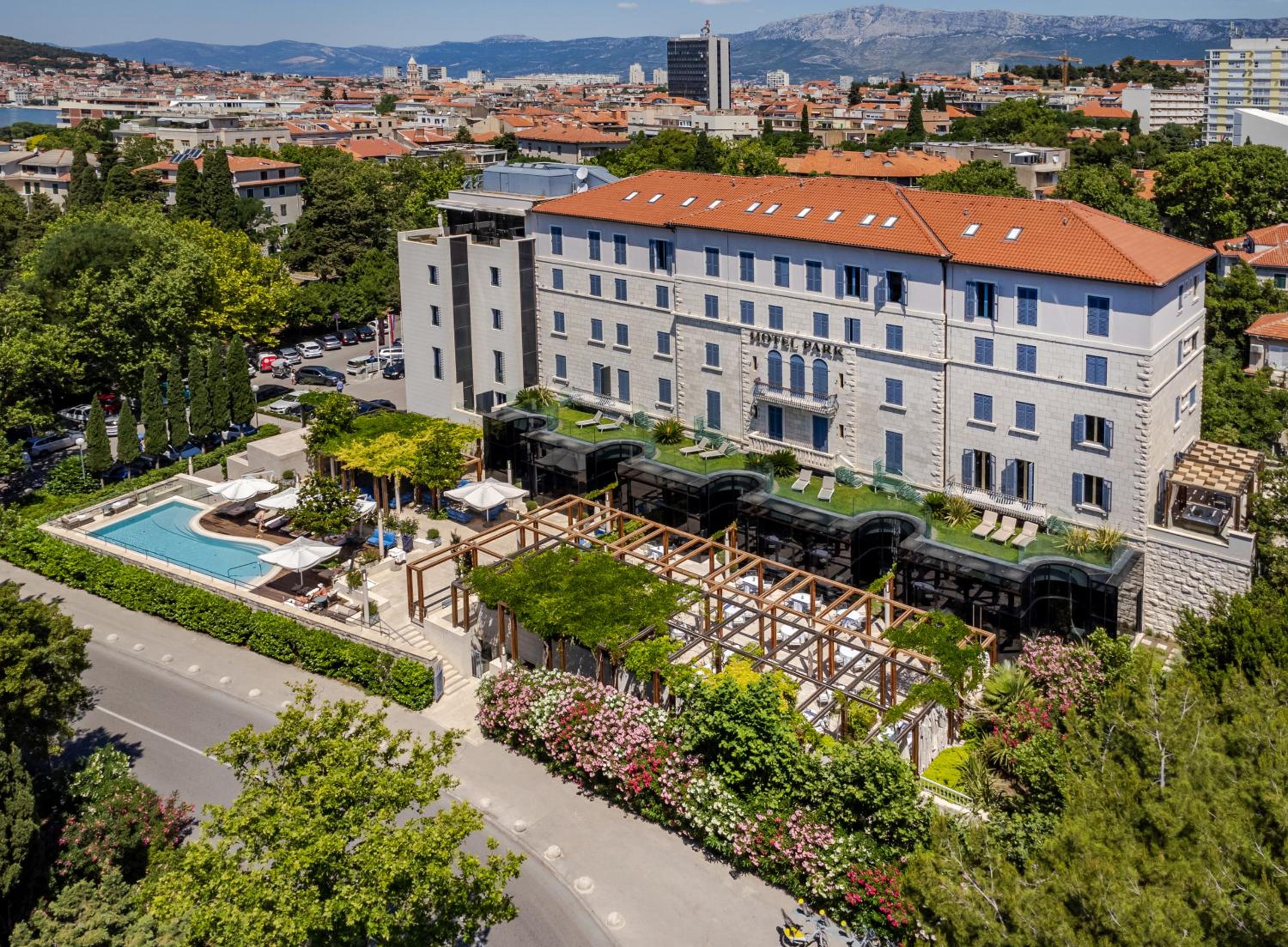
Near Stari Grad, Hvar
Pine-shaded pool and a spa on the island's quiet side
Explore HotelBy Happi · Last updated September 2026
A little local perspective
$$ to $$$$ — roughly 200-800 euros a night, peaking in July and August
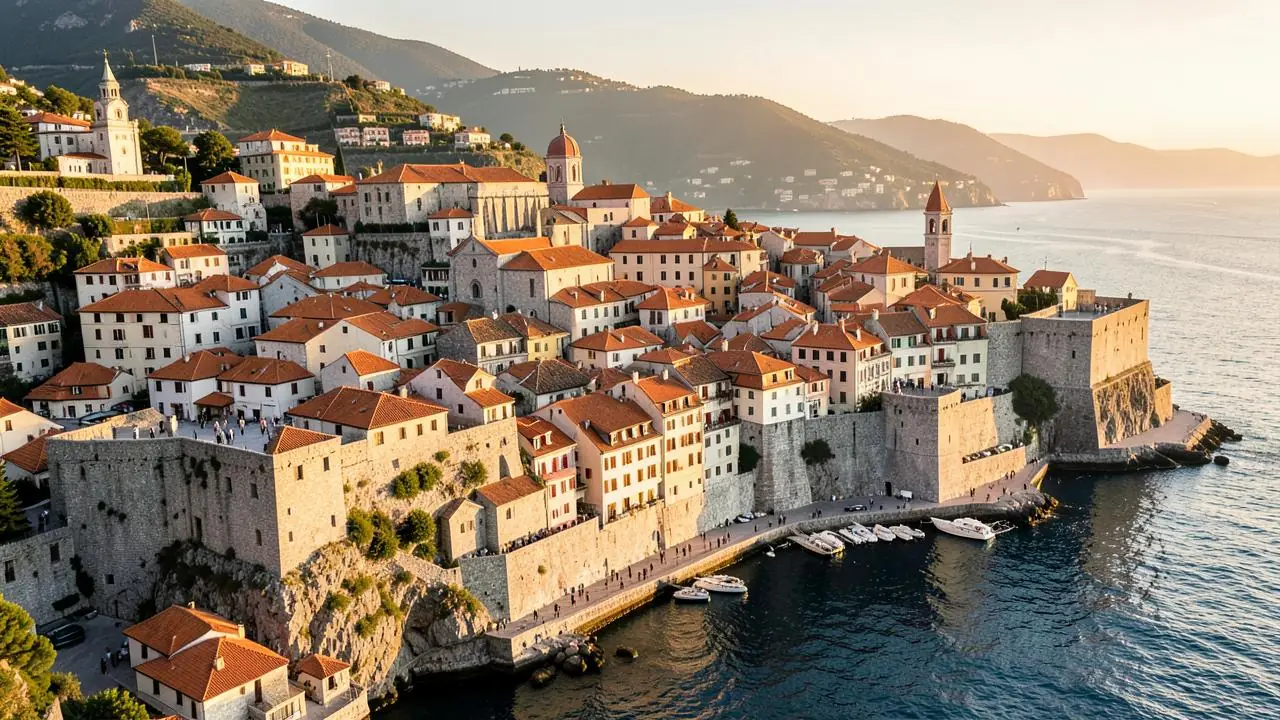
Diocletian built his retirement palace at Split around 300 AD, a fortified compound of about 30,000 square metres on the Adriatic. When the nearby city of Salona was sacked in the seventh century, refugees moved inside the walls and never left.
Split's old town is that palace. Around 3,000 people live inside it today, in apartments built into the Roman structure over seventeen centuries: the substructures below, the peristyle courtyard, the emperor's mausoleum now a cathedral, and a dense grid of lanes running between walls that were laid in the fourth century.
It is the most complete Roman palace anywhere, and it is a functioning neighbourhood rather than a ruin.
Staying inside the palace means a room in a genuinely Roman building, lanes rather than streets, and the peristyle outside your door at seven in the morning when it is empty.
It also means: very few hotels, because the buildings are protected and small; no vehicle access, so bags are wheeled over Roman paving; and noise, because the palace holds bars and the acoustics of stone lanes are what they are.
Outside the walls, Split has a proper seafront promenade, larger hotels and better beaches a short way out.
Hvar, two hours by ferry, is the island the crowds go to: a Venetian harbour town below a fortress, lavender fields, and a summer scene that has been compared to St Tropez. Stari Grad, on the other side of the same island, is older, quieter and where the Greek settlement was.
The six below are the properties at this standard, and there are not many, which is what happens when the old town is a protected Roman monument.
Rooms in the Roman structure itself.
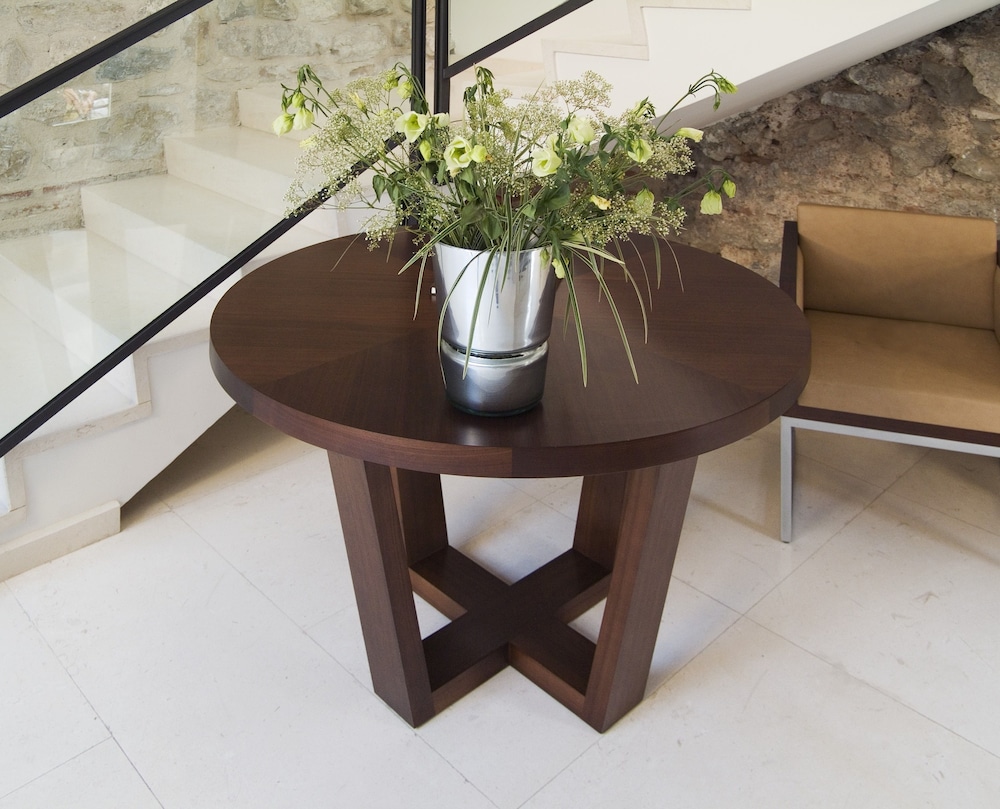
Hotel Vestibul Palace occupies a building on the peristyle, the palace's central courtyard, with rooms built against Roman walls and a terrace looking at the cathedral bell tower. It is the closest anyone can sleep to the centre of the palace.
Palace Judita Heritage Hotel sits within the palace walls in a converted stone building with a small room count, exposed original masonry and a position in the lanes near the Golden Gate.
Marmont Heritage Hotel occupies a townhouse a few metres outside the western wall, which gives you the palace at the door and a quieter night than being inside it.
The seafront and the Marjan hill, minutes from the old town.
Hotel Park Split sits above the Bacvice beach in a restored 1920s building with a garden, a pool and a ten-minute walk along the water into the palace. It is the best hotel in Split.
Two hours by ferry. The harbour town, the fortress and the lavender.
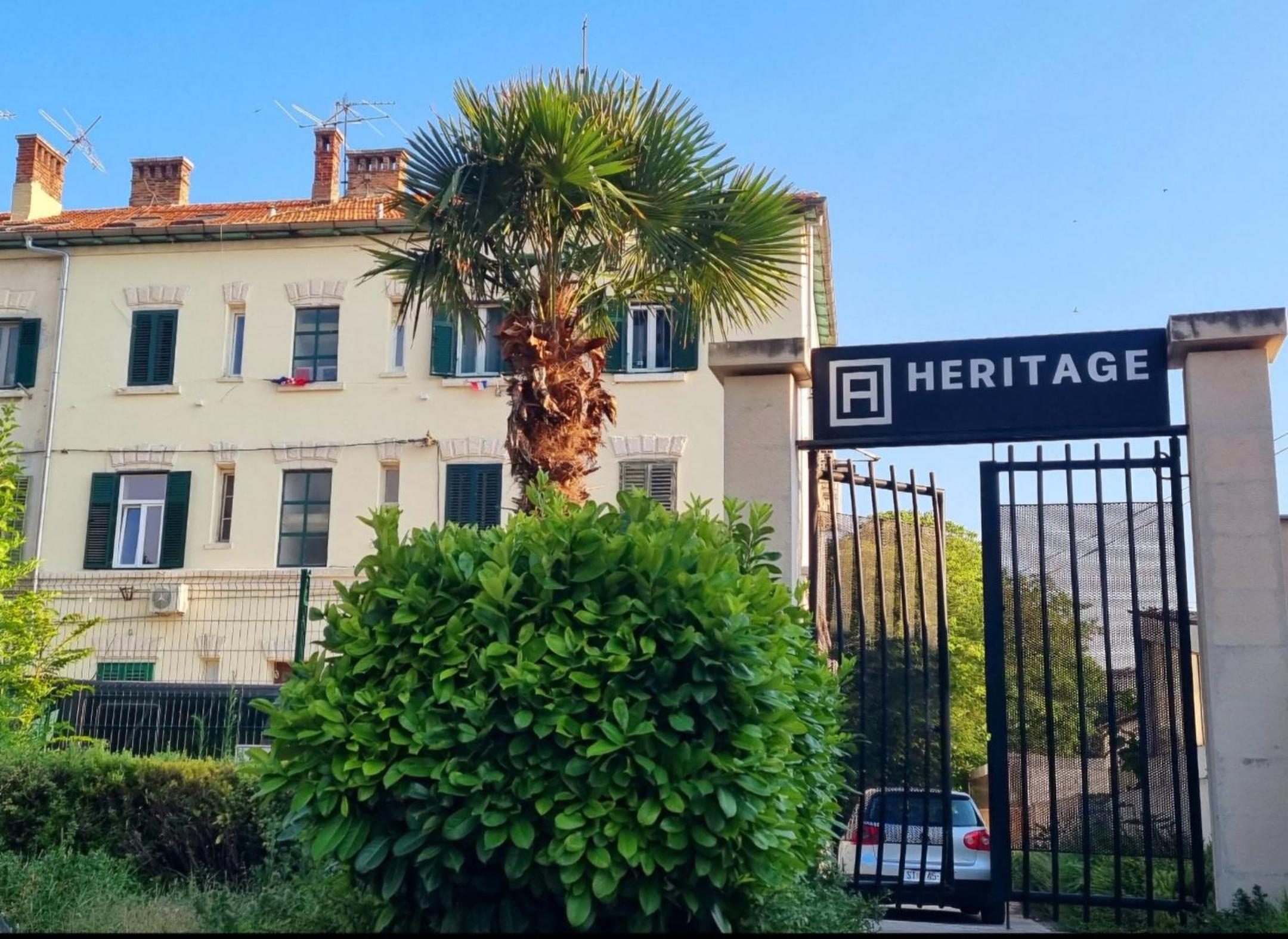
A Heritage Split occupies the historic hotel on the Hvar waterfront, restored, with a rooftop pool over the harbour and the main square outside. It is the address on the island.
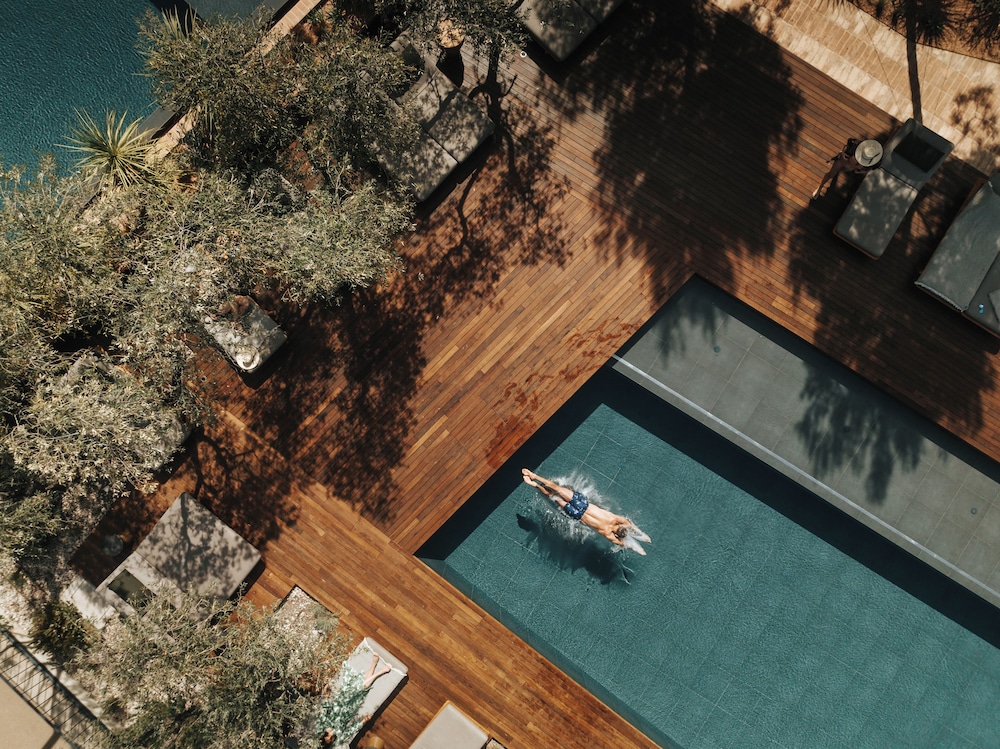
Maslina Resort sits above a bay near Stari Grad on the quieter side of Hvar, with a spa, a pine-shaded pool and a deliberately restrained interior. It is the antidote to the harbour scene.
The apartments inside Diocletian's Palace are excluded, and they are how most visitors sleep within the walls. Split has a very large supply of them and several occupy remarkable Roman spaces. They are apartments rather than hotels.
Walk the palace at seven in the morning. The peristyle, the substructures and the lanes are empty and the stone is worth seeing without a crowd.
Climb the cathedral bell tower, which was Diocletian's mausoleum before it was a church, and note the irony: the emperor who persecuted Christians most severely is buried under one.
Walk up Marjan hill for the view over the palace and the islands, which takes about forty minutes.
Take the ferry. Hvar, Brač with the Zlatni Rat beach, and Vis are all reachable, and the ferry timetable is the main planning constraint in summer.
Eat konoba food: grilled fish, peka cooked under a bell, and the Dalmatian wines from the islands.
Split's airport is 25 minutes north with heavy European traffic in summer. Catamarans and car ferries leave from the town harbour.
May, June, September and early October are ideal. July and August are extremely busy, hot, and the ferries and the palace are at capacity. Winter is mild, quiet and much of Hvar closes.
Cruise ships dock beside the old town and the palace fills on ship days.
Prices shown are sample rates from upcoming dates — not quotes for specific dates. Open a hotel and choose your own dates and guests to see the exact price.
Yes, in a small number of hotels built into the structure. Most accommodation inside the walls is apartments.
The lanes hold bars and stone amplifies sound. A room a few metres outside the wall is often the better trade.
Split for the palace and the ferries, Hvar for the island and the summer scene. Two hours apart.
Four. Two in Split and two on an island.