Grand Cul-de-Sac
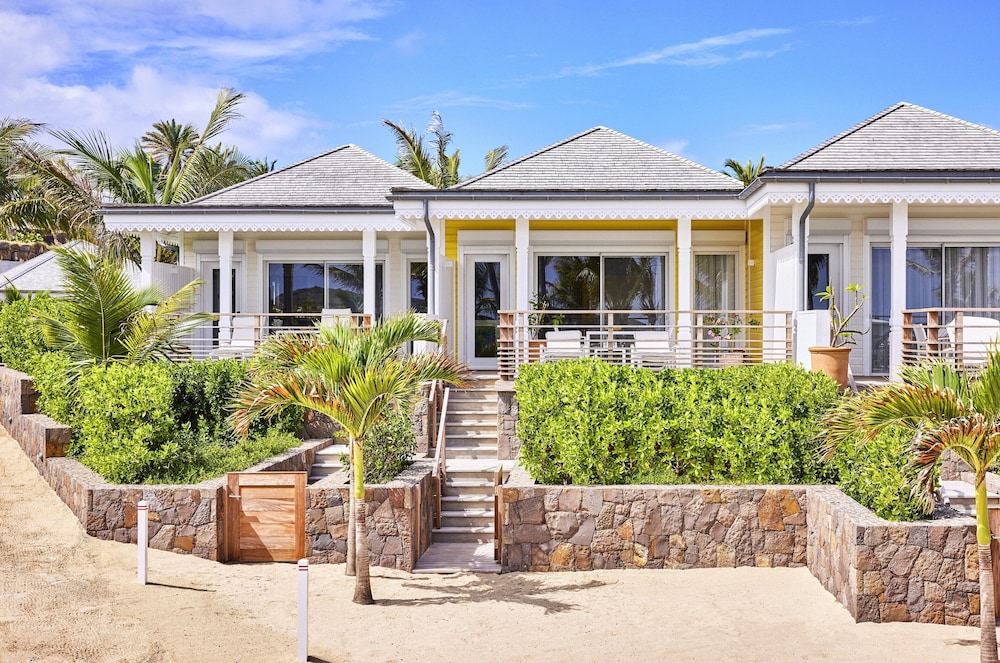
Rosewood Le Guanahani St Barth
Garden cottages on the safest swimming lagoon
Explore Hotel

St Barths
Twenty-five square kilometres, ten thousand residents and a 650-metre runway pilots need separate certification for. The scale is deliberate.
The places to stay
Grand Cul-de-Sac
Garden cottages on the safest swimming lagoon
Explore Hotel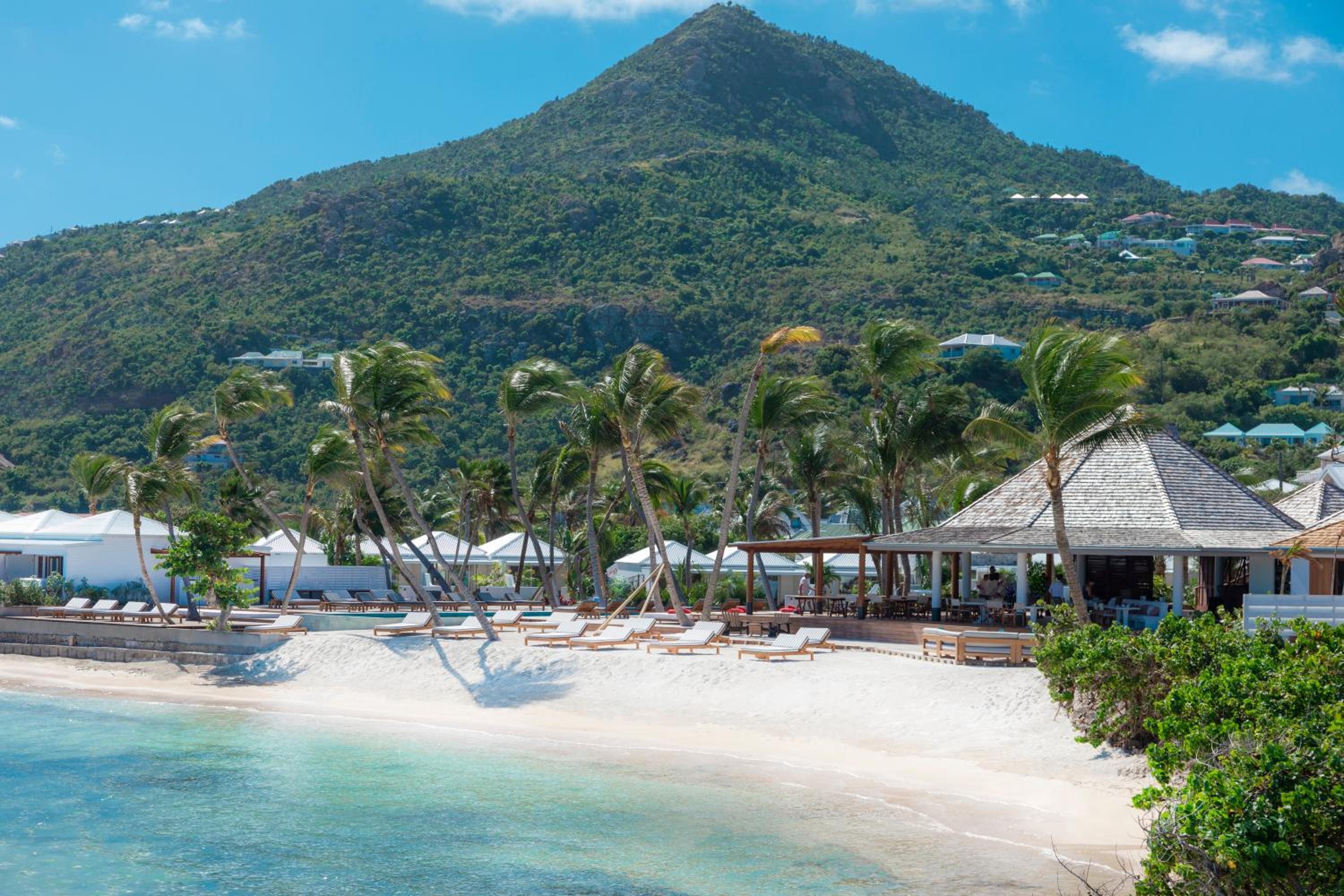
By Happi · Last updated September 2026
A little local perspective
$$$$ — roughly $900-3,000 a night, far higher at New Year
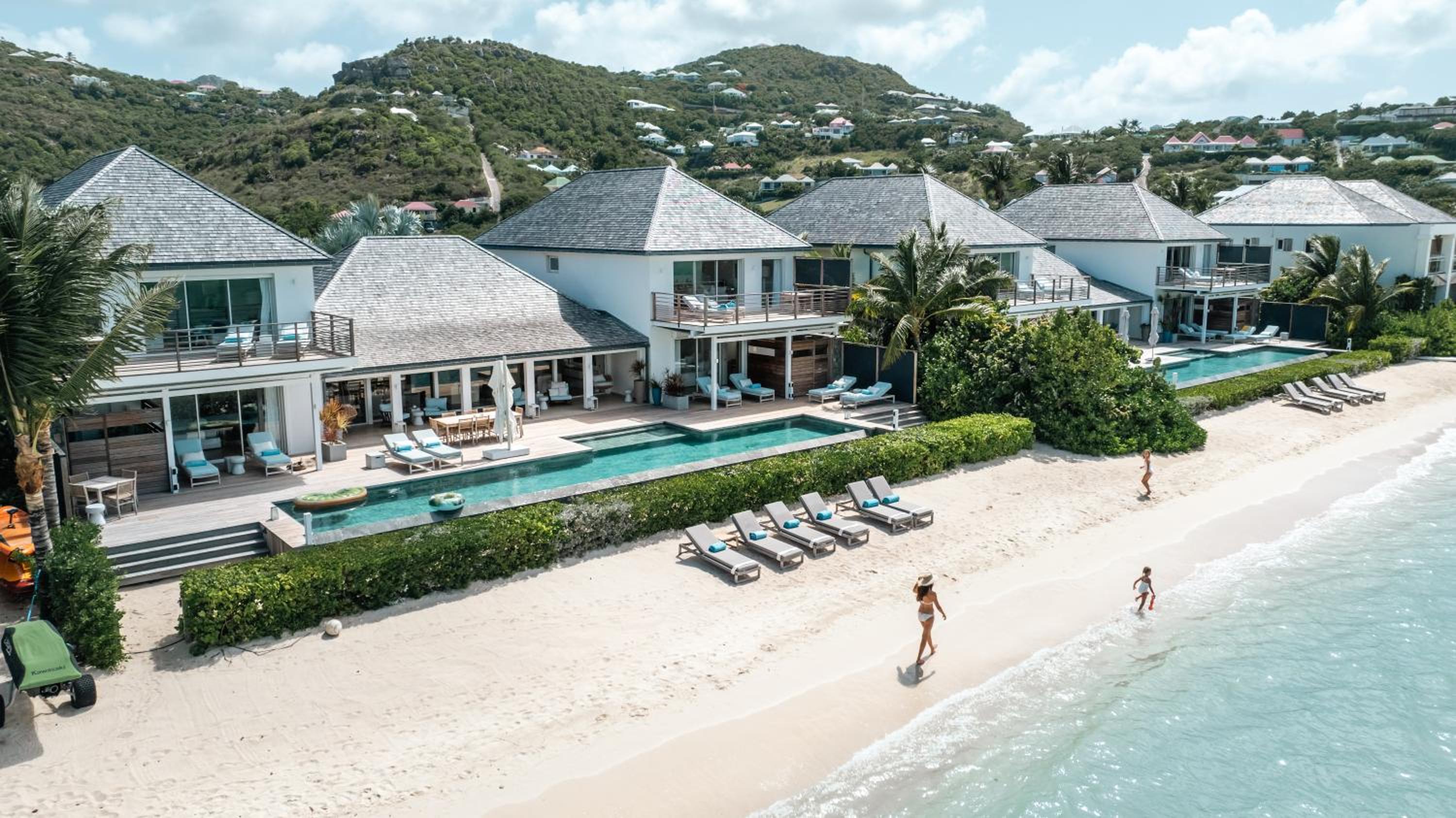
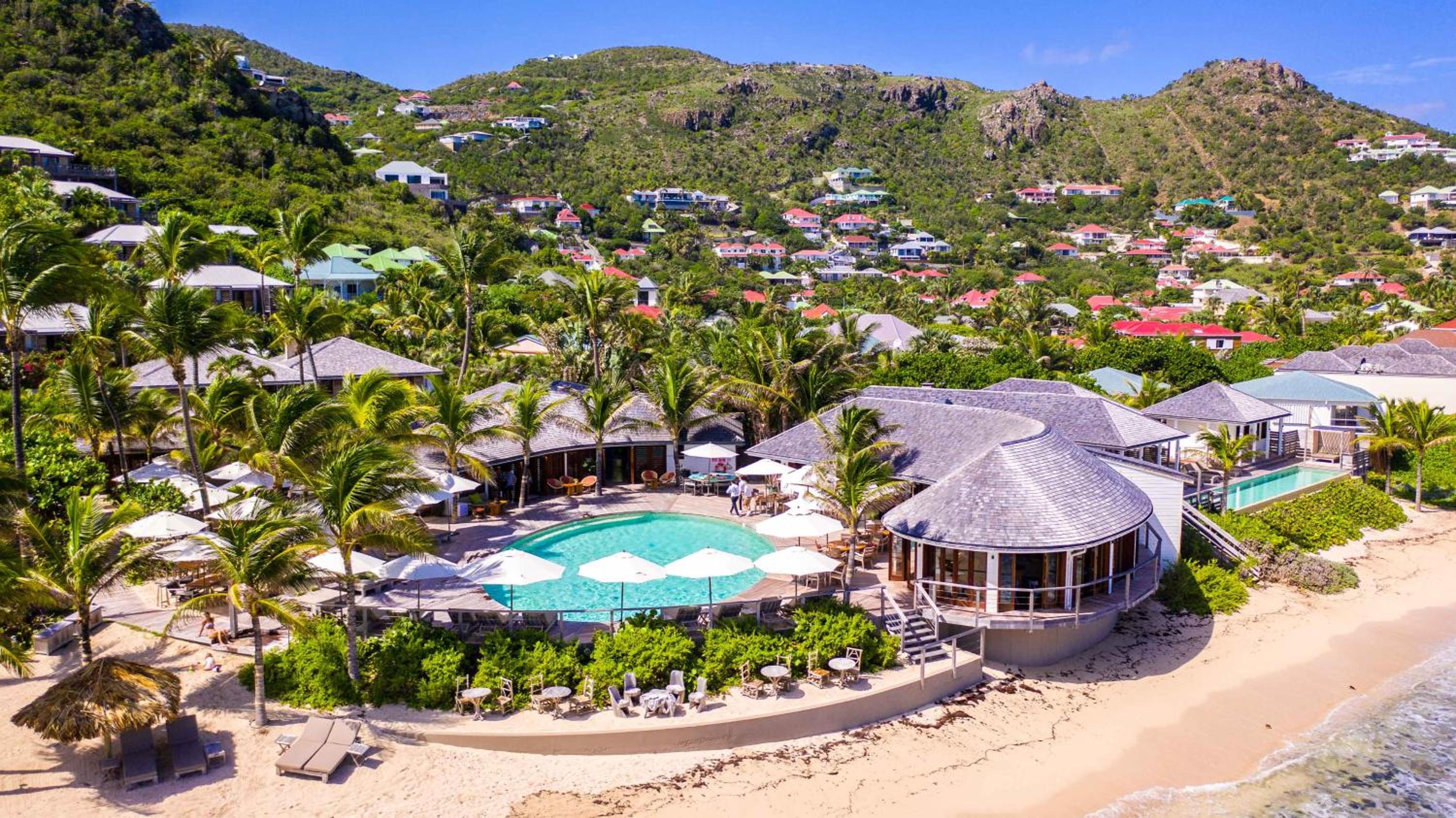
St Barthélemy is 25 square kilometres, has about 10,000 residents, and there is no hotel on it with more than around 70 rooms. That is not an accident of development; it is planning policy on an island that decided a long time ago not to build large.
The consequence is a place where the accommodation is coves and villas rather than resorts, where the only town is a harbour of a few streets, and where the airport runway is 650 metres long and requires a steep approach over a hill that pilots must be separately certified for. Nothing larger than a twenty-seat aircraft lands here.
The island is volcanic and deeply indented, which gives it a great many small beaches rather than a few long ones. They face different directions and that matters.
St Jean, on the north coast, is the busiest: a curve of sand below the airport approach, with shops, restaurants and the most life.
Flamands, west along the same coast, is the longest beach on the island, with surf when the swell is up.
Grand Cul-de-Sac, on the northeast, is a shallow lagoon protected by a reef — flat water, good for children and for windsurfing.
Toiny and Gouverneur, on the wilder south and east, have almost nothing on them.
Gustavia, the harbour town, is the port and the shopping, with the Swedish street names left from the century when Sweden owned the island.
The season is short and steep: December to April is peak, with New Year at extraordinary rates and long minimum stays. September and October are the quietest months and much of the island closes.
The eight below are grouped by cove.
The longest beach, and the most established addresses.
Cheval Blanc St-Barth Isle de France occupies the middle of Flamands beach with a garden of palms, a pool, a serious cellar and a level of service that is the best in the Caribbean. It is the finest hotel on the island.
Villa Marie Saint-Barth sits above Colombier on a hillside with a small room count, a pool and views down the western coast. It is the quietest of the western properties.
The busiest bay, with the shops and the airport approach above.
Eden Rock - St Barths occupies both sides of St Jean bay including a rock in the middle of it, with cottages and villas among the terraces and a beach club. It is the most famous hotel in St Barths.
The reef-protected lagoon on the northeast. Flat water.
Rosewood Le Guanahani St Barth sits on the lagoon with rooms in cottages among gardens, a spa and a beach that is the safest swimming on the island.
Le Sereno occupies the same bay with a Christian Liaigre interior, a pool and a deliberately restrained tone. It is the most designed hotel here.
Le Barthelemy Hotel & Spa sits on the lagoon with a spa, a good restaurant and the newest rooms on this stretch.
The southeast. Almost nothing, and the best privacy.
Villa Marie Saint-Barth occupies a hillside above Toiny with individual suites and villas each with a private pool, looking down at a bay too rough to swim. It is the most secluded property on the island.
Hotel Manapany sits above a small bay on the north coast with a pool, a good restaurant and a lighter, younger tone than the island norm. It is the best value at this standard.
The villa rentals are excluded, and on St Barths they are the majority of the accommodation by a wide margin. The island's rental market is larger and more organised than its hotel market. They are houses rather than hotels.
Swim at a different beach every day. Gouverneur and Saline on the south coast are the empty ones and require a short walk over a dune.
Eat, which is the island's real activity. St Barths has a density of good restaurants that has nothing to do with its size, and they book weeks ahead in season.
Watch the aircraft approach at St Jean from the hill above, which is a genuine spectacle.
Take a boat to Colombier beach, which has no road access, or across to the uninhabited islets for snorkelling.
Walk Gustavia in the early evening when the yachts are lit and the shops are open.
Access is via St Martin, usually Princess Juliana, then a fifteen-minute hop on a small aircraft, or a forty-five minute ferry. The flight is memorable. Book connections with plenty of slack.
December to April is the season. New Year is extreme in both price and minimum stay. May, June and November are much better value. September and October are hurricane peak and many properties close.
St Barths is expensive in a way that surprises even people expecting it. Almost everything is imported from France.
Prices shown are sample rates from upcoming dates — not quotes for specific dates. Open a hotel and choose your own dates and guests to see the exact price.
Planning policy. The island decided against large-scale development and the largest property has around seventy rooms.
Grand Cul-de-Sac for flat protected water, Flamands for length, St Jean for life and shops, Toiny for privacy.
It requires a connection through St Martin on a small aircraft or a ferry. That connection is part of why the island stays the way it is.
Seven. The travel makes anything shorter poor value.
The next chapter

