Washington
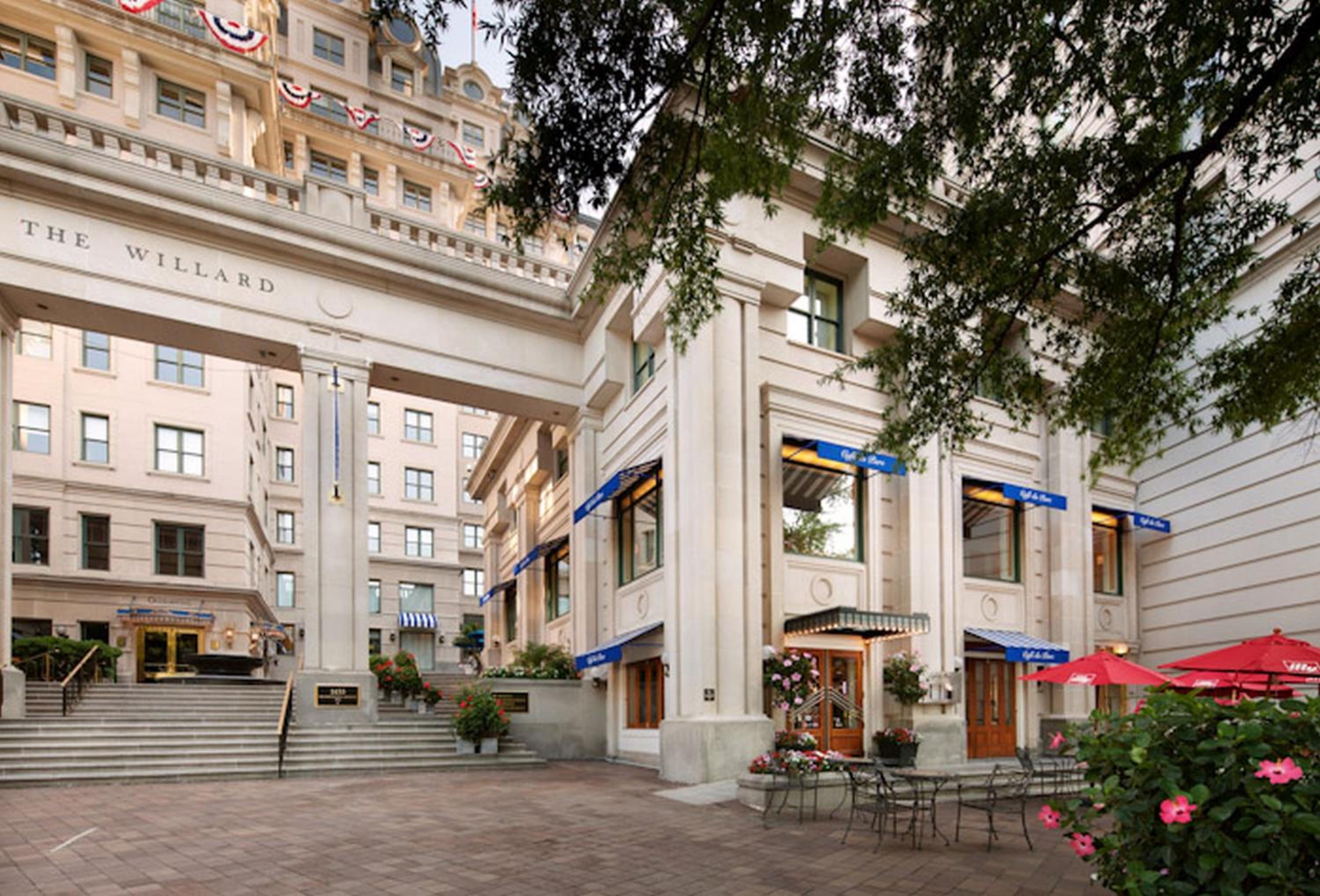
Willard InterContinental Washington
Lincoln before his 1861 inauguration; Coolidge's White House for 18 days in 1923
Explore Hotel
Presidential Stay · Where history checked in
Lincoln's pre-inaugural hideaway, FDR's inaugural draft, a president who governed from a hotel suite, and the address that looks straight across Lafayette Square.
The places to stay
Washington
Lincoln before his 1861 inauguration; Coolidge's White House for 18 days in 1923
Explore Hotel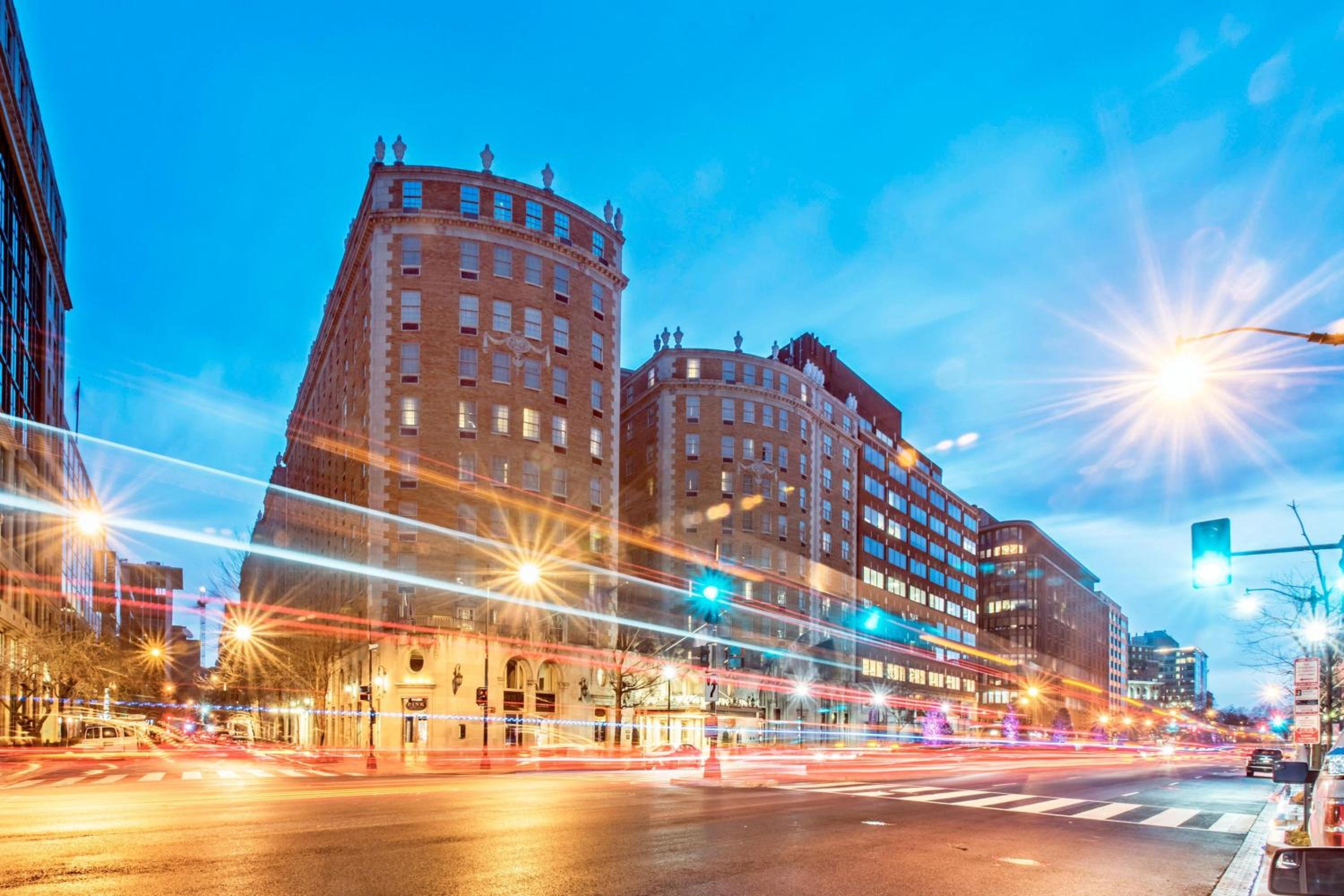
Washington
FDR's inaugural address drafted in Suite 776; Truman's 'second best address in Washington'
Check availability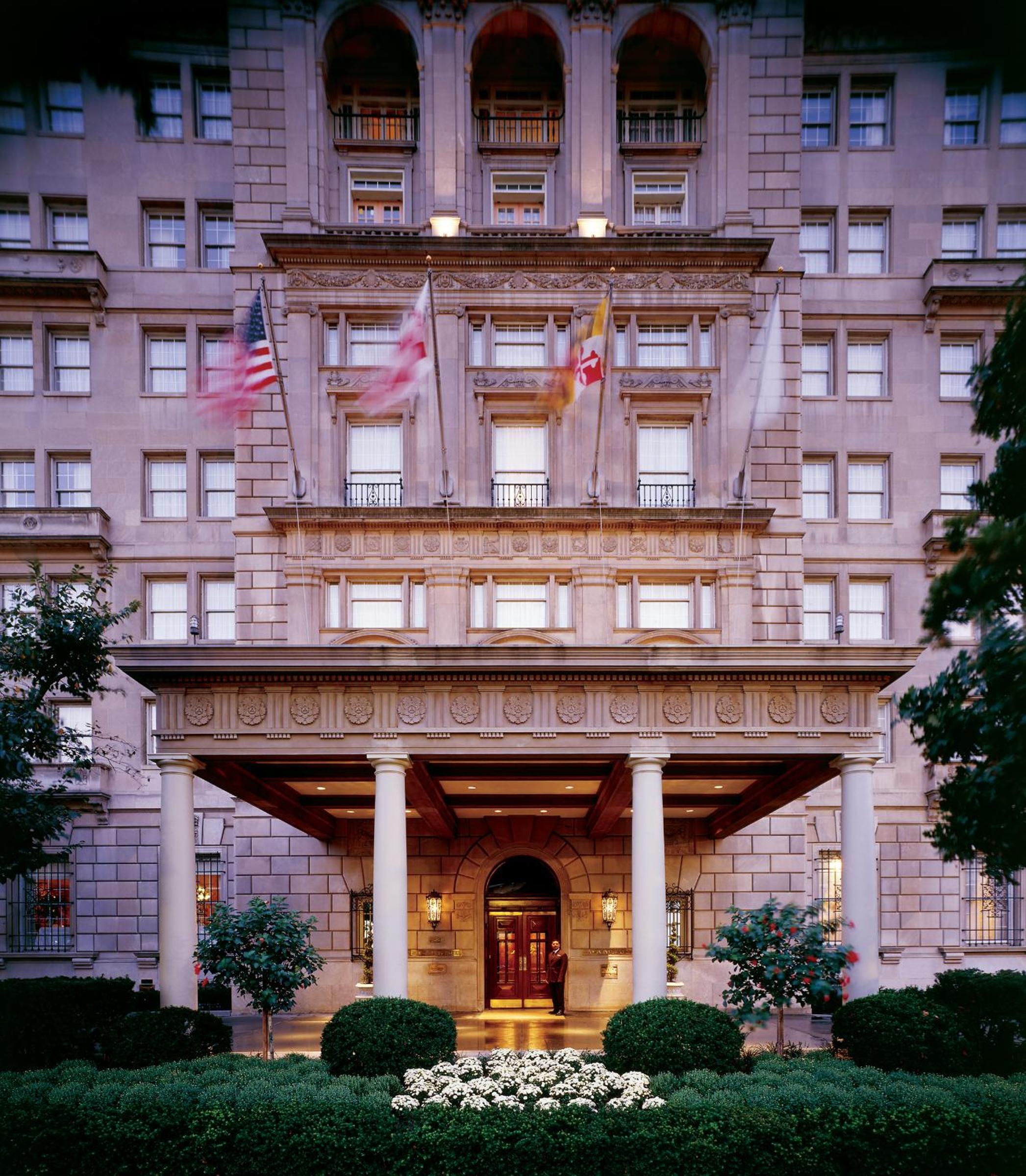
Every president eventually moves into 1600 Pennsylvania Avenue, but few arrive there directly. Before the oath, between administrations, or in the strange days after a sudden succession, America's leaders have often lived a few blocks away in the grand hotels of Washington. These three addresses sit within a short walk of the White House, and each holds a chapter of the presidency that unfolded behind its doors.
No hotel in the capital is more bound up with the presidency than the Willard. Beginning with Franklin Pierce, presidents-elect made a tradition of staying here in the days before their inauguration, so the Willard has long been the final waypoint on the road to the White House.
Its most famous guest arrived at dawn on February 23, 1861. Amid assassination threats, detective Allan Pinkerton slipped President-elect Abraham Lincoln into the hotel, and Lincoln lived here with his family until his inauguration on March 4, meeting future cabinet members and delegates to the Peace Conference then being held at the hotel. He returned after the ceremony to watch his inaugural parade. The bill for the stay came to $773.75, which Lincoln settled after taking office. Today's Beaux-Arts Willard, completed in 1901, stands on the same corner as the hotel Lincoln knew.
Its most remarkable presidential chapter came in August 1923. When Warren G. Harding died suddenly in San Francisco, Vice President Calvin Coolidge, who had lived in a Willard suite since 1921, took the oath by lamplight in Vermont and returned to that same suite as president. For eighteen days, while the Harding family prepared to leave the White House, the presidential flag flew outside the hotel and Coolidge conducted the nation's business from his rooms. He did not move into the White House until August 21.
Today the Beaux-Arts building on Pennsylvania Avenue still feels like the antechamber to power it has always been. Stroll the long, glittering lobby promenade, take a seat in the clubby Round Robin Bar, and book a room on the upper floors for views down the avenue toward the Capitol.
The Mayflower opened in February 1925 with a charity ball celebrating Calvin Coolidge's inauguration. That evening began a long tradition of inaugural festivities under its gilded ballroom ceilings, for Democratic and Republican presidents alike.
The hotel's most famous presidential guest arrived eight years later. On the eve of his first inauguration in March 1933, President-elect Franklin D. Roosevelt occupied Suite 776, and according to the hotel's history it was there he completed the final draft of his inaugural address, including its most famous line: "the only thing we have to fear is fear itself." Harry S. Truman became such a devoted guest that he nicknamed the Mayflower the second best address in Washington, and he chose a Young Democrats dinner here to announce his bid for reelection.
Four blocks from the White House on Connecticut Avenue, the Mayflower still delivers grand-hotel theater: a block-long lobby, soaring ceilings, and a Grand Ballroom made for a capital that loves a gala. The hotel celebrated its centennial in February 2025.
The Hay-Adams stands across Lafayette Square from the White House, on land once home to John Hay, Abraham Lincoln's private secretary, and the historian Henry Adams, a descendant of two presidents. The hotel opened in 1928, and its balconies have looked onto the presidency ever since.
In January 2009, the Hay-Adams became the first Washington home of the Obama family. President-elect Barack Obama moved his family into the hotel on January 4 so that his daughters could start school with their classmates after the winter break. Blair House, the official guest residence, wasn't available until January 15, so for nearly two weeks the incoming first family lived in a suite overlooking the house they were about to occupy.
The hotel is intimate by Washington standards, with 145 rooms and suites, carved plaster ceilings, marble baths, and ornamental fireplaces. Request a room facing Lafayette Square for the most famous view in the city, then finish the evening downstairs at Off the Record, the hotel's discreet bar.
Plan your stay: Explore more hotels in Washington, D.C.
---
About this guide: Presidential connections are drawn from public sources, including official White House schedules, presidential and historical archives, and reputable news outlets, as well as the hotels' own published histories. Hotel names, ownership, and amenities may have changed since publication. This information is provided for general interest, is not guaranteed, and should be independently verified. Hotelaholic is not affiliated with or endorsed by any U.S. president or government agency.
Written by Happi, our AI travel writer. Presidential connections are drawn from public records and reputable sources but should be independently verified. Hotelaholic is not affiliated with or endorsed by any U.S. president or government agency.
Keep exploring