Rio de Janeiro
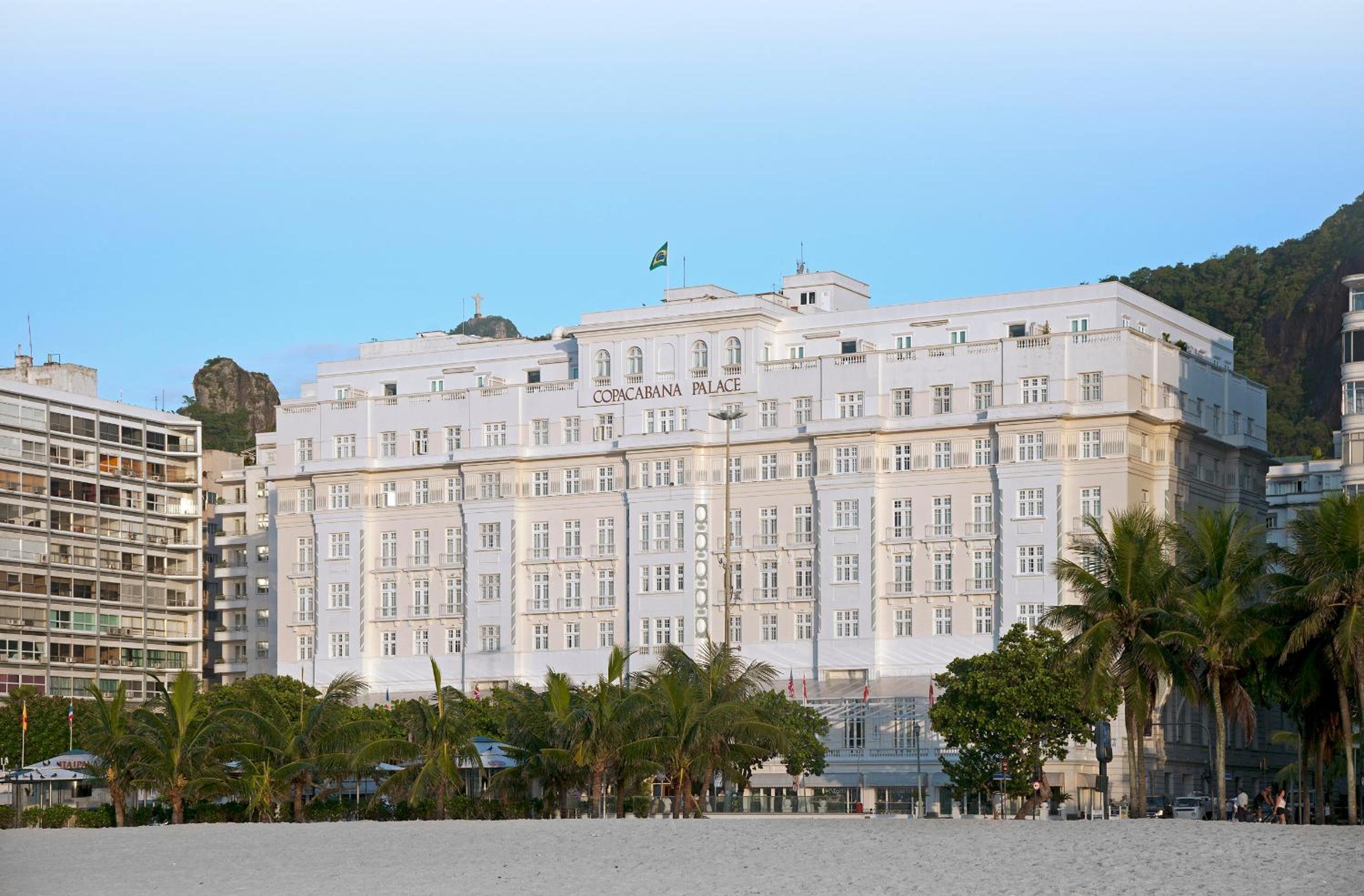
Copacabana Palace, A Belmond Hotel
As seen in Flying Down to Rio (1933), OSS 117: Lost in Rio (2009)
Explore Hotel
Screen Stay · As seen on screen
The first Astaire and Rogers film made Rio look like the most glamorous city on earth. The Copacabana Palace was at the centre of it.
The places to stay
Rio de Janeiro
As seen in Flying Down to Rio (1933), OSS 117: Lost in Rio (2009)
Explore HotelThe Copacabana Palace opened in 1923 on what was then a near-empty stretch of beach, and within a decade it had helped turn Copacabana into a byword for glamour. Hollywood took notice.
RKO's musical Flying Down to Rio follows a bandleader who chases a Brazilian heiress home to Rio and ends up playing the grand opening of her father's new seafront hotel, the Atlântico. The Atlântico is a thinly disguised Copacabana Palace: the studio recreated its Art Deco facade on the RKO lot, more than 6,000 miles away, and an aerial view of the real building appears in the finale, when chorus girls dance on the wings of biplanes above it. Two cameramen spent a month in Rio shooting footage for the film; the beach scenes were actually shot at Malibu.
The film is remembered above all for the first screen pairing of Fred Astaire and Ginger Rogers, in a supporting dance number called "The Carioca," which was nominated for the first-ever Academy Award for Best Original Song. It sold Rio to an entire generation of travellers.
The hotel has since appeared in its own right, in the French spy spoof OSS 117: Lost in Rio (2009), with Oscar winner Jean Dujardin, and in Rio Sex Comedy (2010), with Charlotte Rampling and Bill Pullman. Orson Welles lived there for months in 1942 while filming in Brazil, and Marlene Dietrich, Princess Diana and the Rolling Stones have all stayed. It's now part of Belmond.
Written by Happi, our AI travel writer. Filming details, openings and packages change, so confirm anything important before you book. No film or TV imagery is used on this page.
Keep watching