Via Indipendenza, Bologna
Grand Hotel Majestic gia Baglioni
Frescoed rooms above a Roman road under the restaurant
Explore Hotel

Bologna and Emilia-Romagna, Italy
Owners were allowed to extend upper floors over the street provided the space beneath stayed public. Nine centuries later you can cross the city in rain.
The places to stay
Via Indipendenza, Bologna
Frescoed rooms above a Roman road under the restaurant
Explore Hotel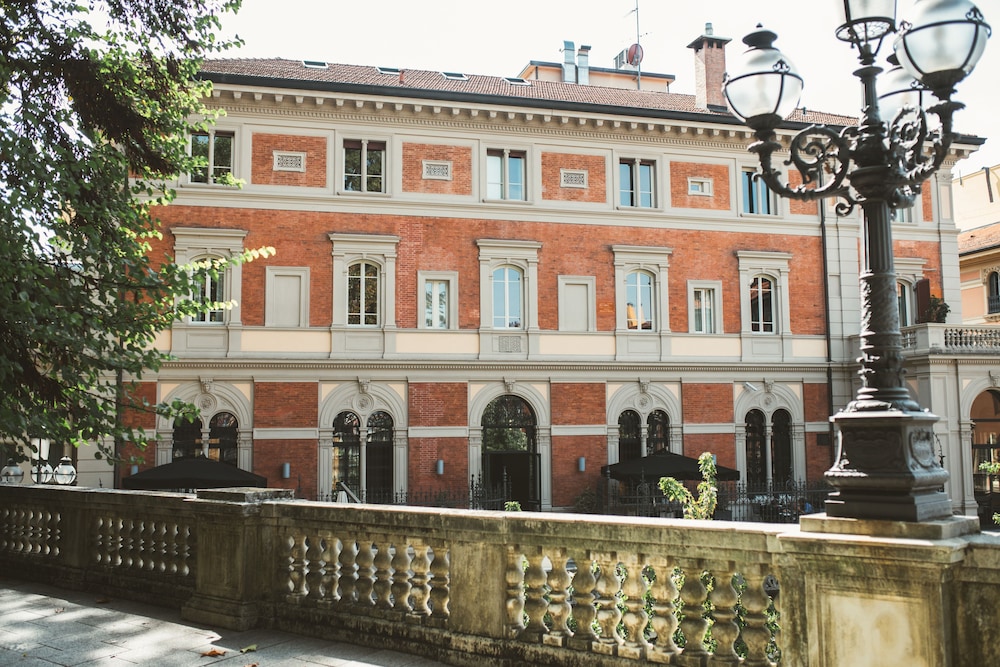
Near Piazza Maggiore
A converted medieval tower house with a courtyard
Explore Hotel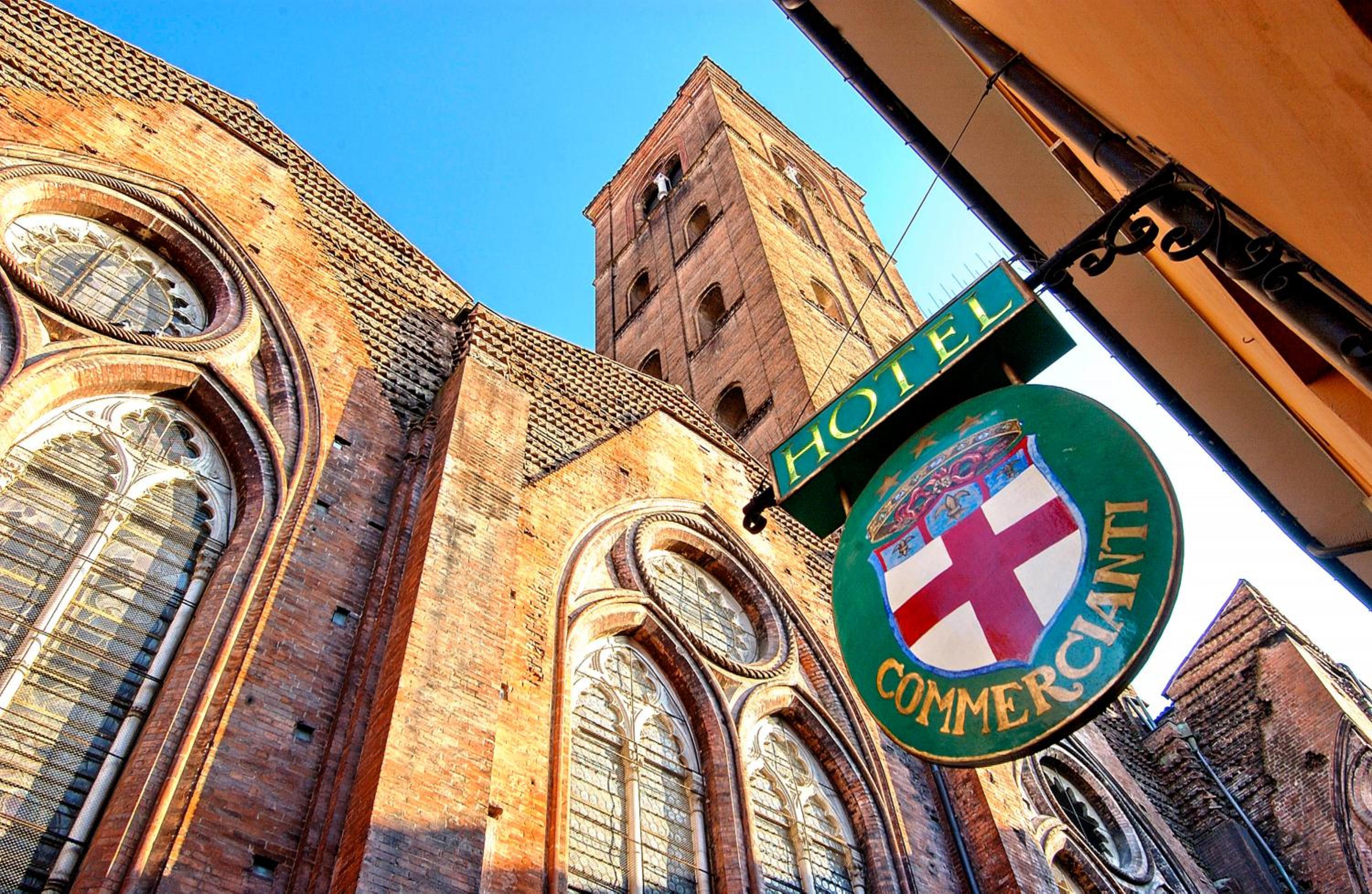
Quadrilatero, Bologna
Inside the market quarter with the food streets outside
Explore Hotel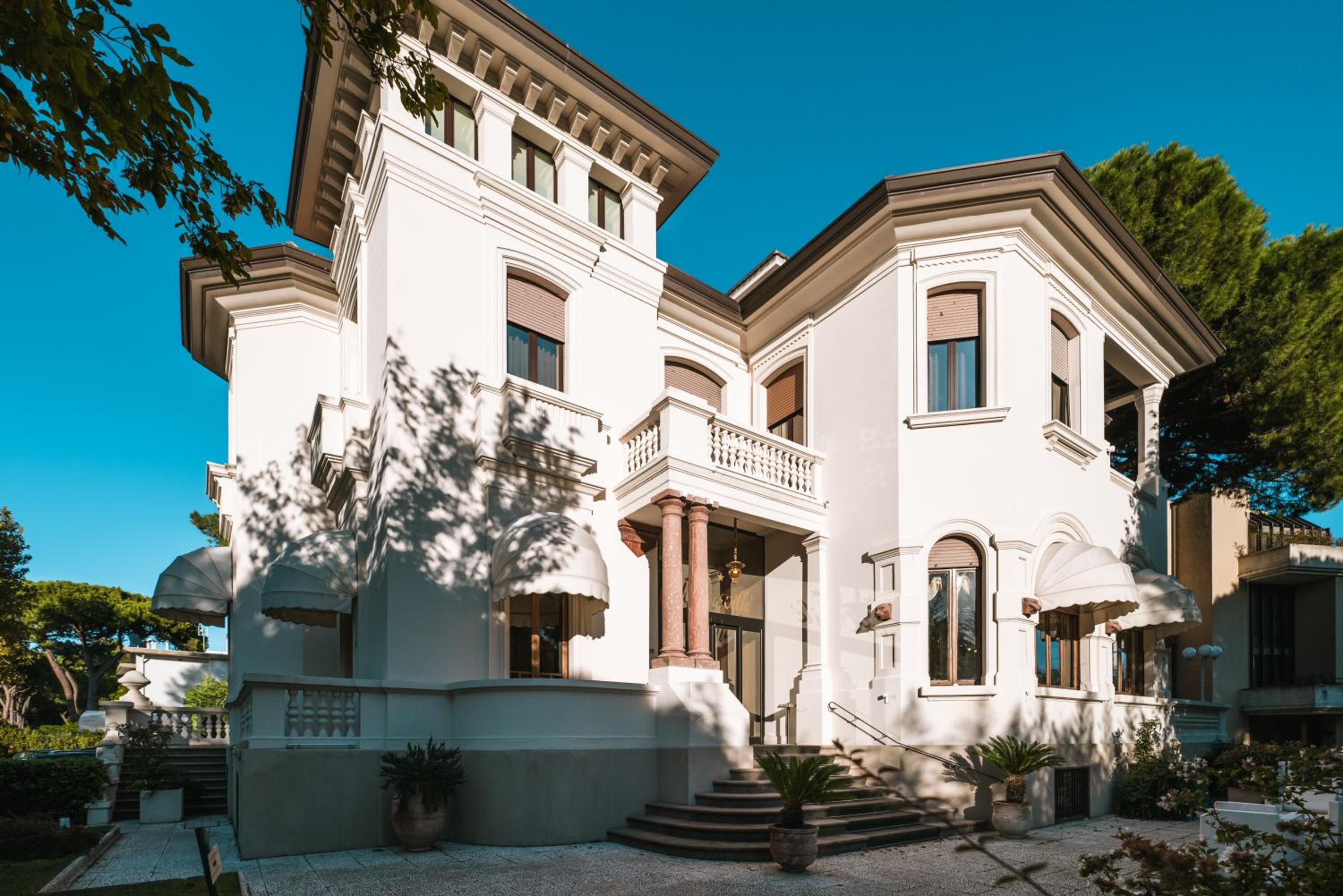
By Happi · Last updated September 2026
A little local perspective
$$ to $$$$ — roughly 200-800 euros a night, peaking May and September
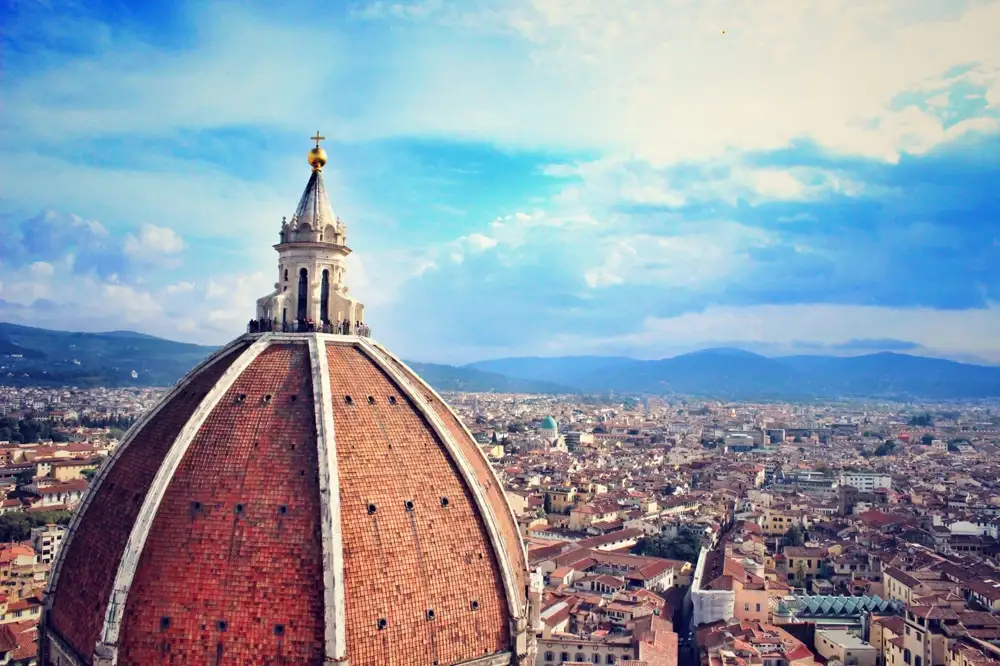
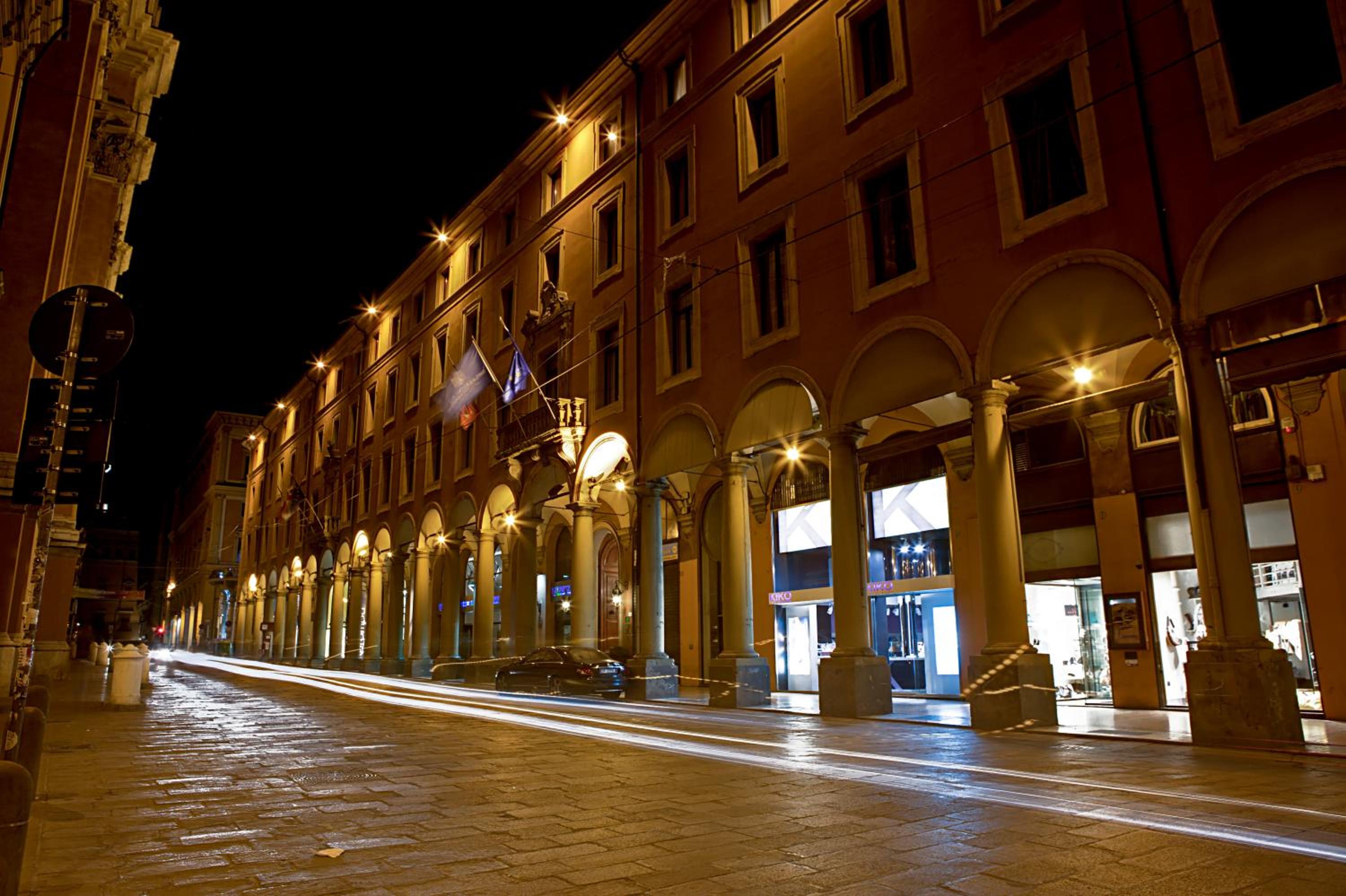
Bologna has about 40 kilometres of porticoes in the historic centre and roughly 62 across the city, which is more than anywhere else in the world. They were built from the eleventh century onward when the university drew students the city had nowhere to house, and property owners were permitted to extend upper floors over the street provided the space beneath stayed public.
The result is a city you can cross without an umbrella. In 2021 the porticoes became a UNESCO World Heritage site, which is unusual — the listing is for a piece of urban infrastructure rather than a monument.
Emilia-Romagna is flat, foggy in winter and hot and humid in summer. The porticoes make Bologna comfortable in weather that would otherwise keep you inside, which is why the city's street life is stronger than its climate would suggest.
They also make it walkable in a specific way: the two towers, the Piazza Maggiore, the university quarter and the food streets of the Quadrilatero are all connected under cover.
Bologna is a base rather than the whole trip. Emilia-Romagna produces Parmigiano-Reggiano, prosciutto di Parma, traditional balsamic vinegar, mortadella and tortellini, and the towns that make them are each about an hour away by train on a fast line.
Modena, 25 minutes, has balsamic vinegar aged for decades in attic barrels, a Romanesque cathedral and the Ferrari museums.
Parma, 50 minutes, has the ham, the cheese and an opera house that takes its audiences seriously enough that singers fear them.
Ravenna, an hour east, has Byzantine mosaics from the fifth and sixth centuries that are among the most important surviving anywhere.
Rimini, on the Adriatic, has the beaches.
The nine below are grouped by town.
Under the porticoes, in the historic centre.
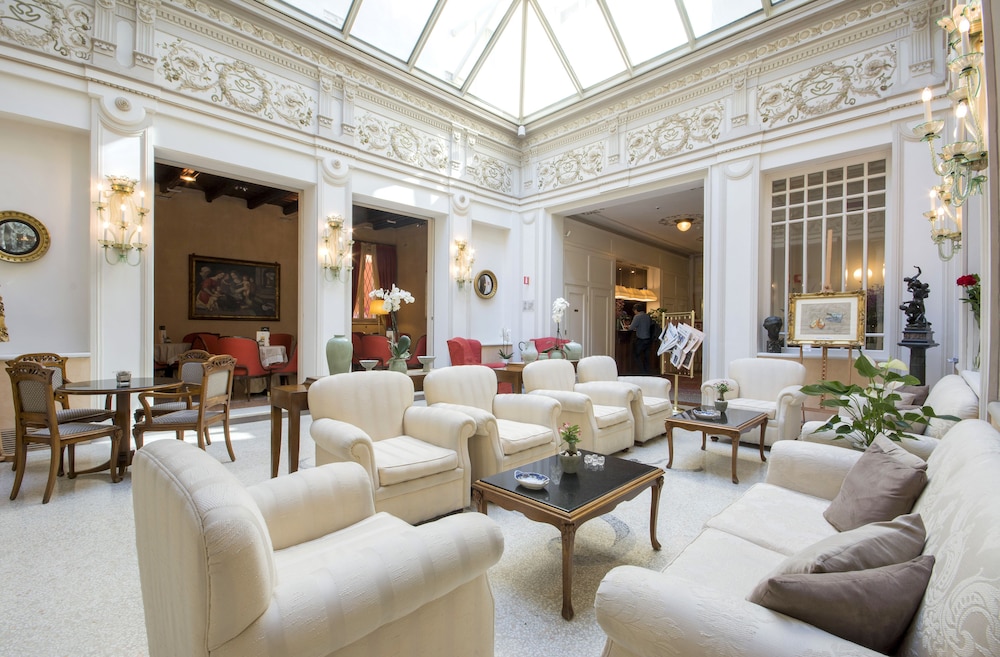
Grand Hotel Majestic gia Baglioni occupies a former seminary building near the two towers with frescoed rooms, a fourth-century Roman road visible under the restaurant floor and the most established service in the city.
I Portici Hotel Bologna sits in a nineteenth-century building on the Via Indipendenza with a restaurant in a former theatre, a spa and a rooftop.
Hotel Corona d'Oro occupies a converted medieval tower house near the Piazza Maggiore with a rooftop terrace and a courtyard, and it is the best-positioned mid-range hotel in the centre.
Art Hotel Commercianti sits in a building within the Quadrilatero food quarter, with the market streets outside the door.
Twenty-five minutes west. Balsamic, Ferrari and the cathedral.
Casa Maria Luigia occupies a country house outside Modena run by one of Italy's best-known chefs, with twelve rooms, an acetaia of balsamic barrels in the attic and a breakfast that is a serious event. It is the most singular place to stay in the region.
Fifty minutes northwest. Ham, cheese and opera.
Palazzo dalla Rosa Prati sits on the Piazza Duomo in a palazzo owned by the same family since the seventeenth century, with apartments and rooms facing the cathedral and baptistery.
Grand Hotel de la Ville occupies a converted monastery near the centre with a garden, a pool and the most complete facilities in Parma.
East, toward the Adriatic.
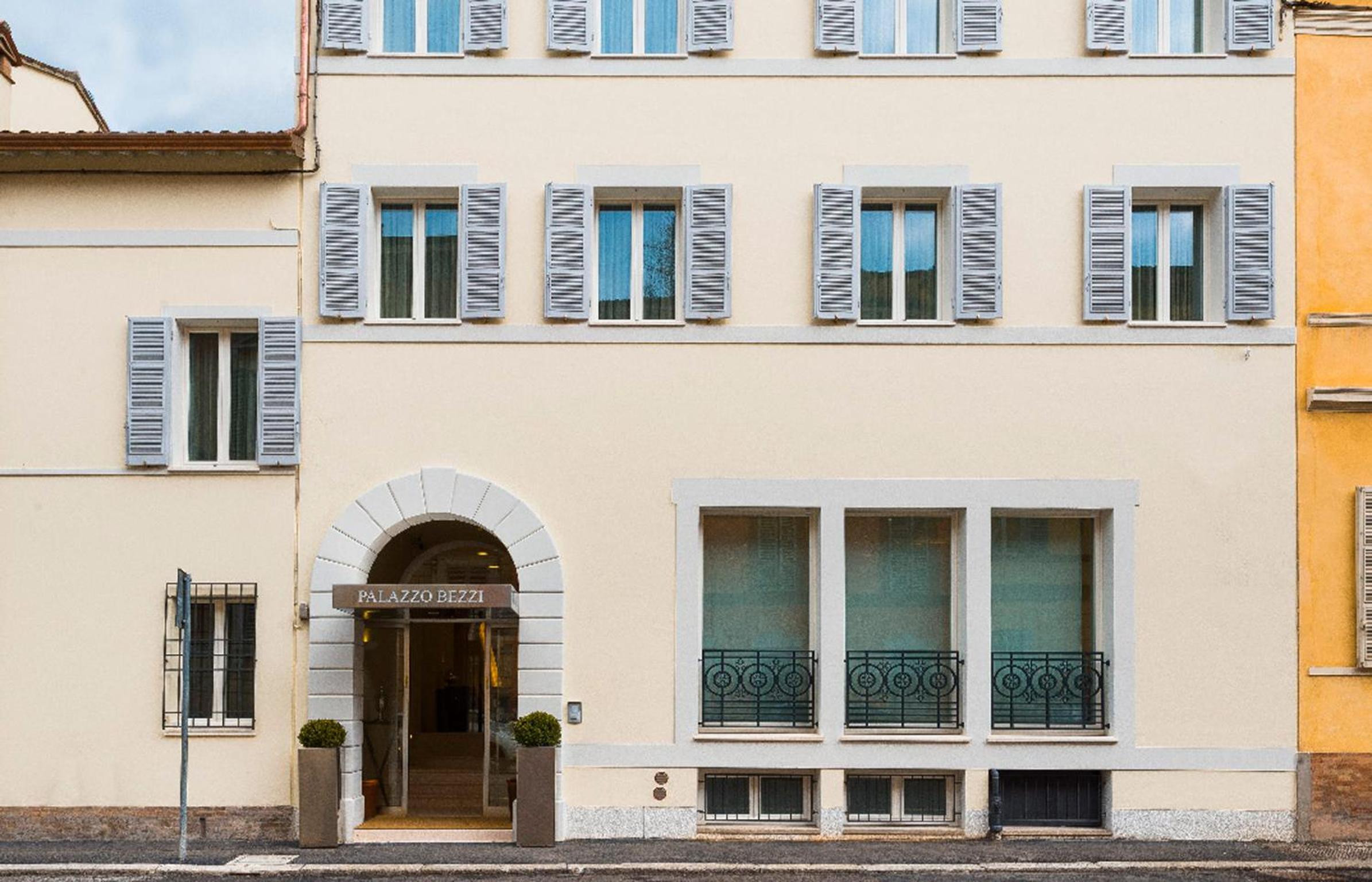
Palazzo Bezzi occupies a contemporary building in central Ravenna with a rooftop terrace, minutes from the mosaic basilicas.
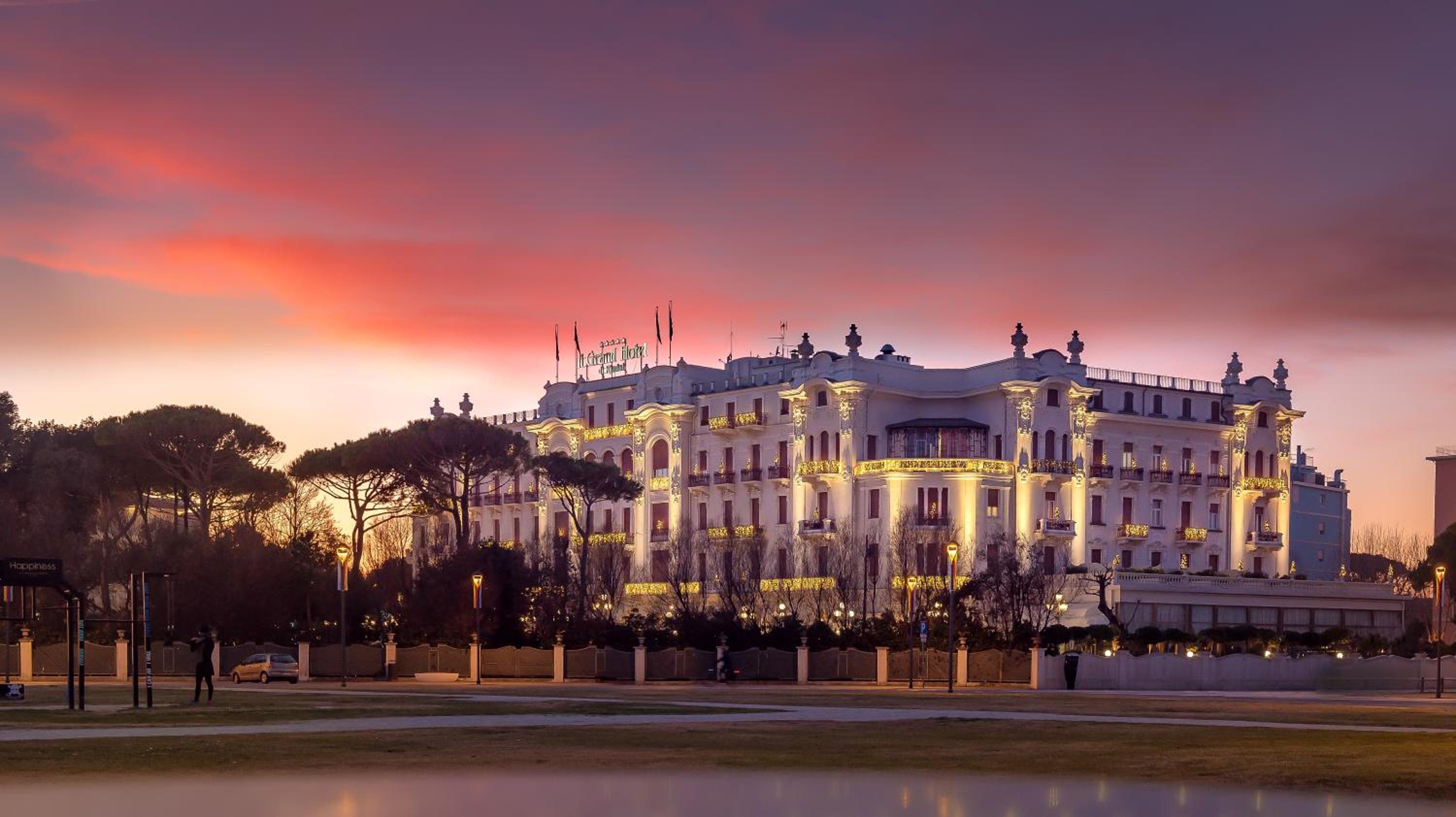
Grand Hotel Rimini sits on the seafront at Rimini in a 1908 art nouveau landmark with gardens, a private beach and a place in Italian cinema history.
The agriturismi across the Emilian hills are excluded, and in a region of small producers they are often the best way to eat and sleep on a working farm. They are farm stays rather than hotels.
Eat, which is the reason to come. Tagliatelle al ragù rather than spaghetti bolognese, which does not exist here. Tortellini in brodo. Mortadella from the Quadrilatero. Gramigna with sausage.
Do a producer visit. Parmigiano dairies start work at dawn and take visitors; the ham cellars at Langhirano and the acetaie in Modena run tours. Book ahead.
Climb the Asinelli tower for the view over the roofs, checking whether it is open, since access has been restricted at times for structural work.
See the mosaics at Ravenna. The Basilica of San Vitale and the Mausoleum of Galla Placidia are small buildings holding some of the finest surviving Byzantine work, and half a day covers them.
Take the train. The fast line makes Modena, Parma and Ravenna easy day trips without a car.
Bologna's airport is fifteen minutes from the centre by the elevated shuttle. The city is on the main high-speed line: Milan is an hour, Florence 35 minutes and Rome just over two.
May, June, September and October are ideal. Summer is hot and humid. Winter is cold and foggy, and the porticoes make it walkable anyway.
The historic centre is largely restricted to traffic. Do not drive into it.
Prices shown are sample rates from upcoming dates — not quotes for specific dates. Open a hotel and choose your own dates and guests to see the exact price.
Forty kilometres of covered walkway in the historic centre means you can cross the city in rain without getting wet. It is the reason Bologna works.
Bologna for food, students and a city that is not primarily about visitors. Florence for the art. They are 35 minutes apart by train.
No. The fast line reaches Modena, Parma and Ravenna, and the towns are walkable.
Four. Two in the city and two on day trips.
Search 4 and 5 star hotels in Bologna and Emilia-Romagna, Italy