Salto Chico, inside the park
Explora Patagonia
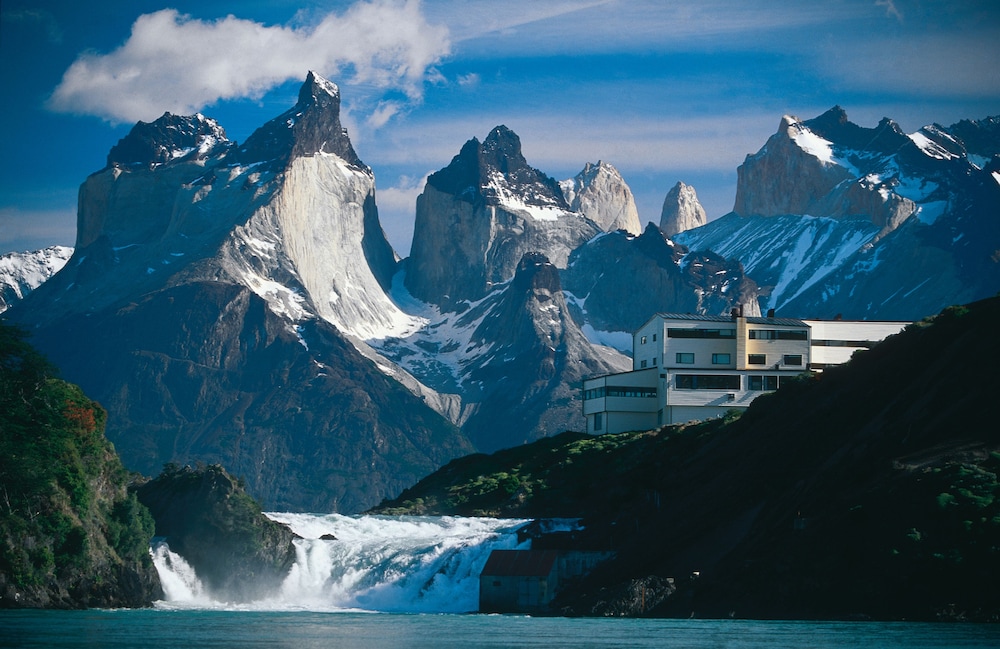
Every room faces the towers across Lake Pehoe
Explore Hotel

Patagonia and Torres del Paine, Chile
Gusts above 100 kilometres an hour come off the third-largest ice field on earth. The same system is why the light changes in fifteen minutes.
The places to stay
Salto Chico, inside the park
Every room faces the towers across Lake Pehoe
Explore Hotel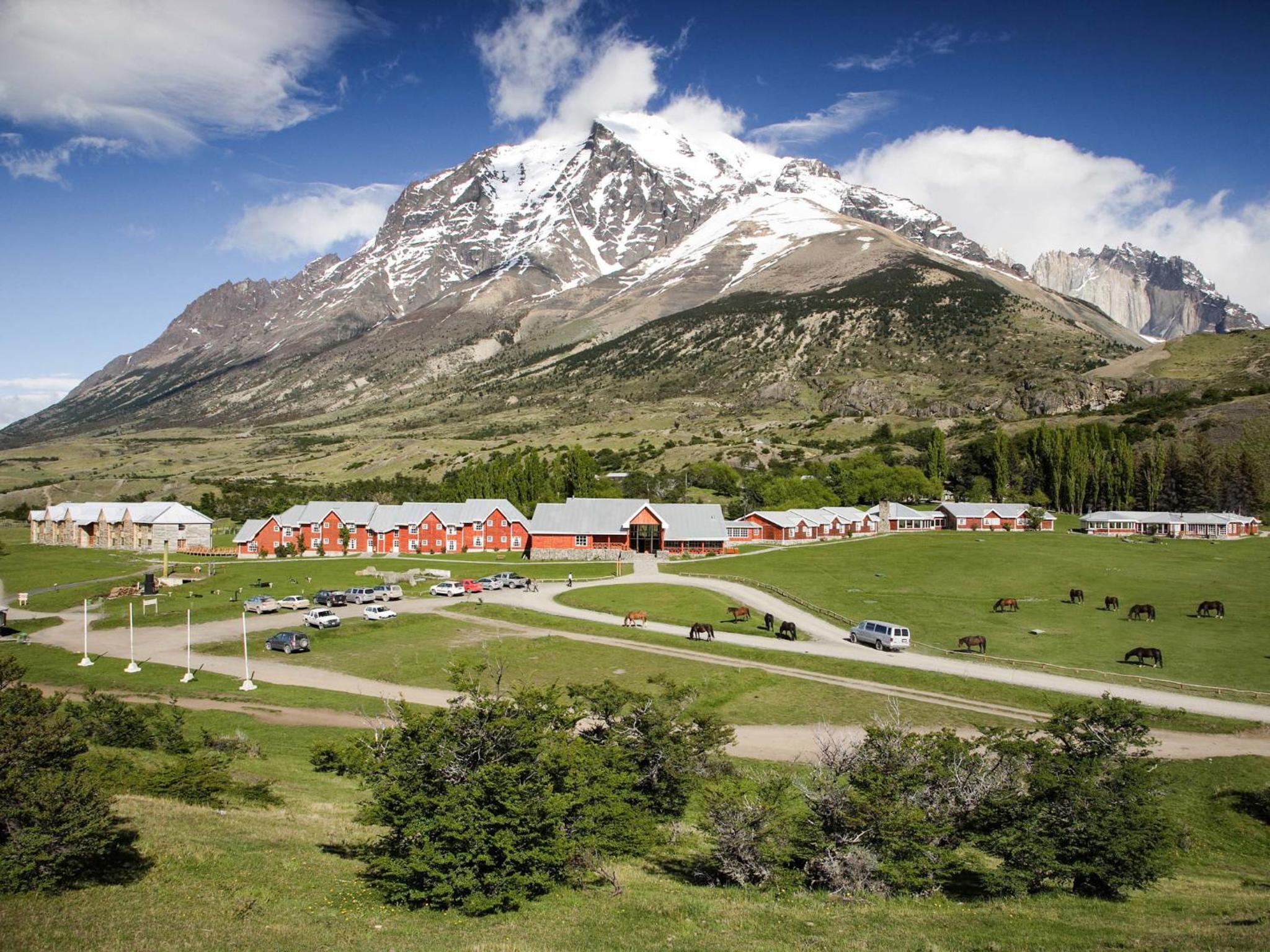
Base of the Torres trail
A working estancia at the start of the classic hike
Explore Hotel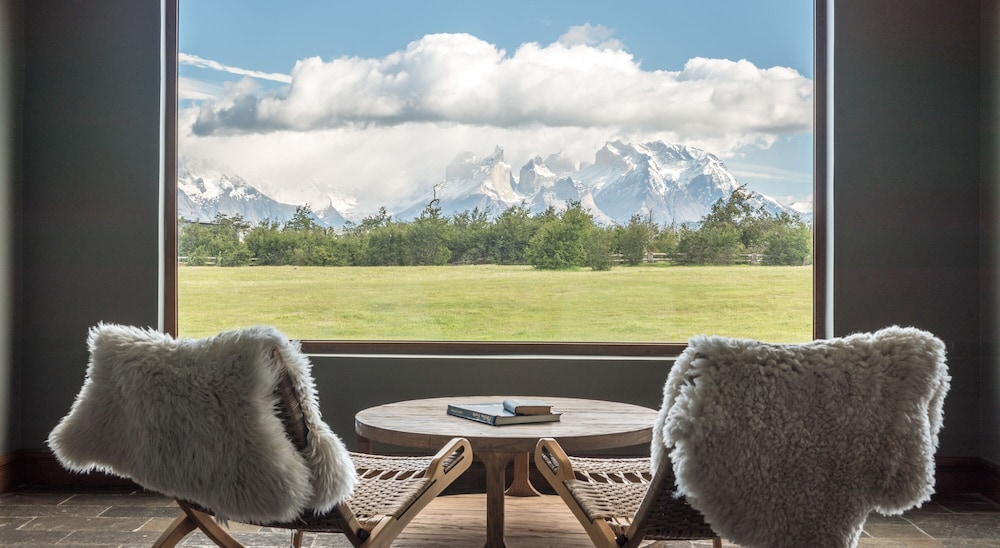
Southern park entrance
Most comfortable large hotel at the park gate
Explore Hotel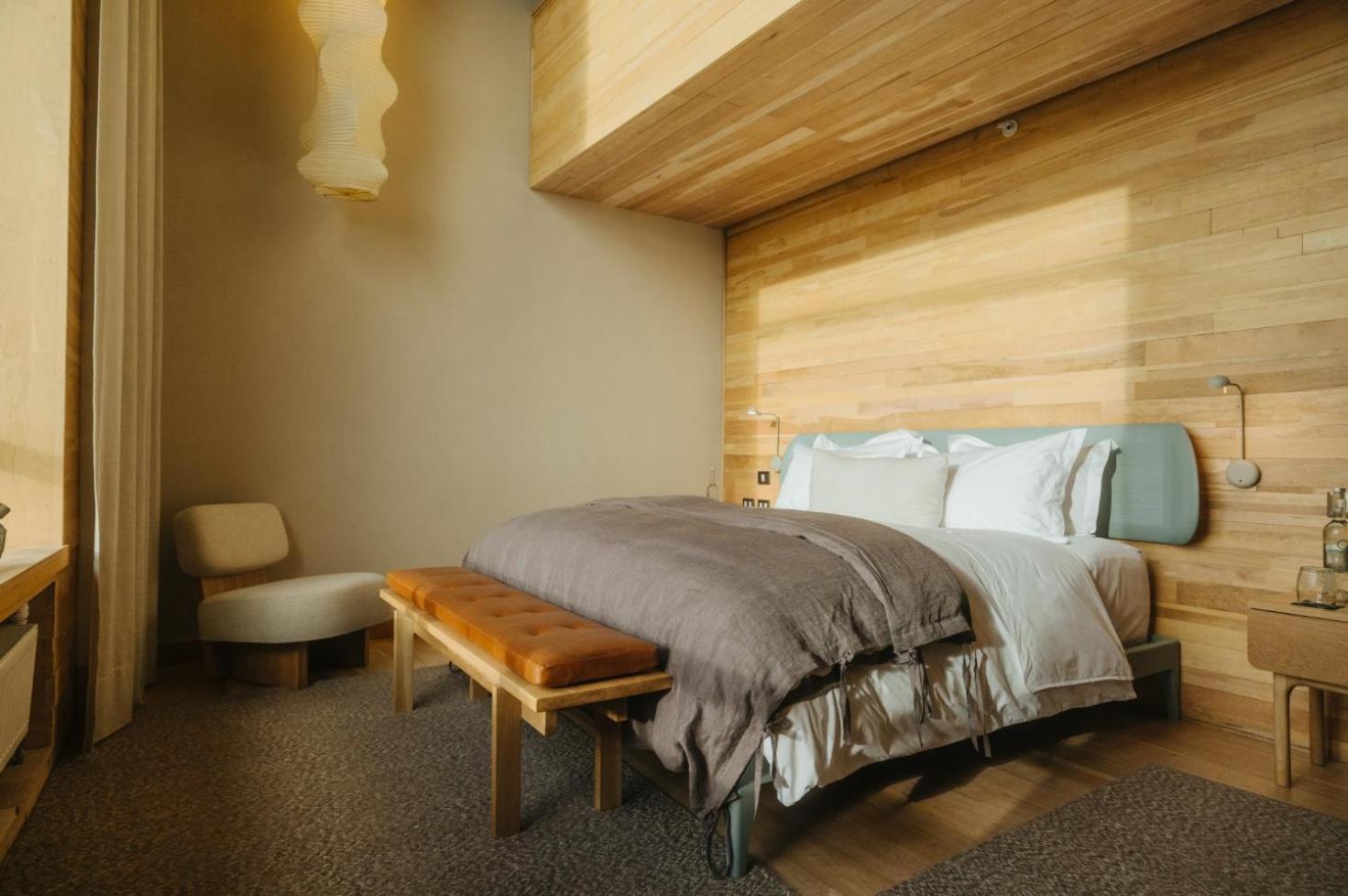
Lake Sarmiento, park edge
A timber building designed to disappear into the ridge
Explore HotelBy Happi · Last updated September 2026
A little local perspective
$$$ to $$$$ — roughly $600-2,500 a night, mostly inclusive of guiding
The wind in Torres del Paine is the thing nobody prepares for. Gusts on the exposed sections of the trails regularly exceed 100 kilometres an hour in spring and summer, strongly enough to knock a walker over, and the park's own guidance treats it as a hazard rather than a feature. It comes off the Southern Patagonian Ice Field, which is the third-largest body of ice on earth after Antarctica and Greenland.
The same weather system is why the light here is what it is: fronts move through in hours, and the granite towers can go from invisible to fully lit in fifteen minutes.
Torres del Paine is about 1,800 square kilometres and the road network inside it is limited. Only a handful of properties sit within or immediately on the park boundary, and everything else is in or around Puerto Natales, an hour and a half to two hours south.
That distance is the whole question. The trailheads are inside the park. The best light is at dawn and dusk. A two-hour drive at each end of the day removes both.
The properties inside operate like the Atacama lodges: all-inclusive, with guides, vehicles and a daily programme of walks and excursions rather than a room and a breakfast.
The W trek is the standard multi-day route, about 80 kilometres over four to five days, staying in refugios along the way. The lodges below are for people doing day walks from a base instead, which suits most visitors better.
The five below are the properties at this standard in and around the park.
Within the boundary, at the trailheads.
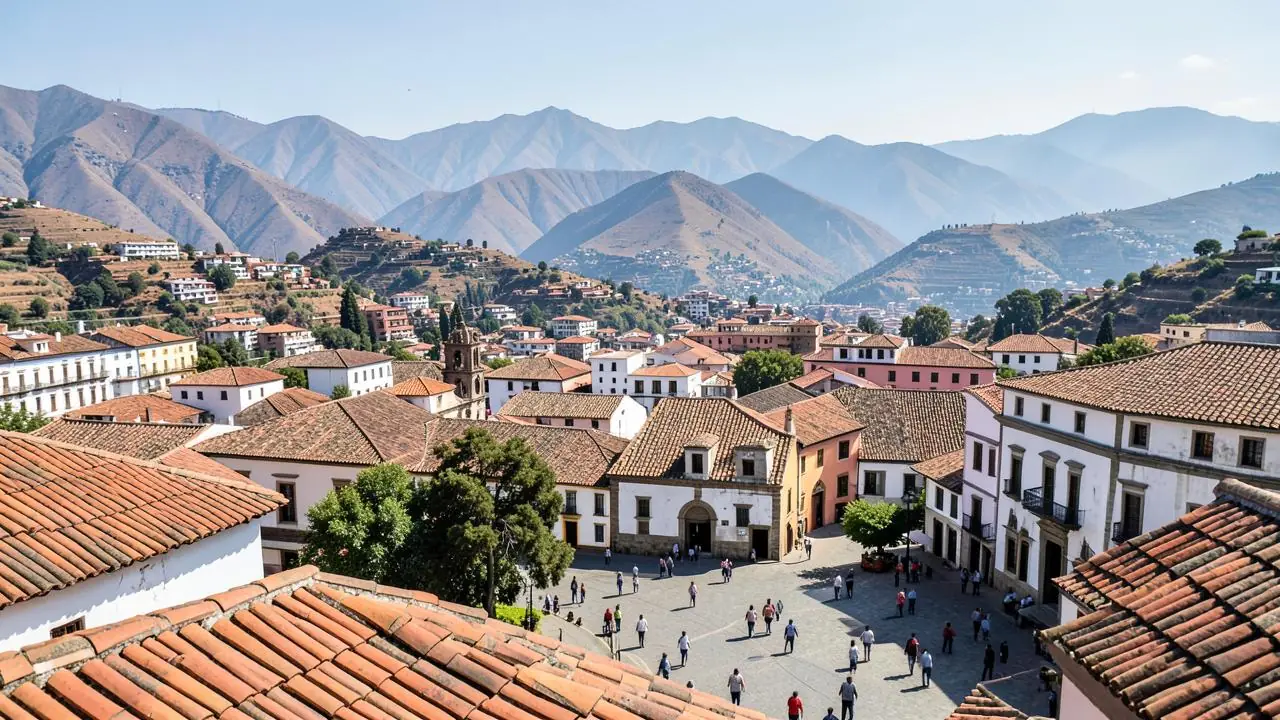
Explora Patagonia occupies a site at Salto Chico where the Paine river leaves Lake Pehoé, with every room facing the towers across the water. It is all-inclusive with a large guided programme and it has the best position of any hotel in Patagonia.
Hotel Las Torres Patagonia sits at the base of the Torres trail on a working estancia that predates the park, with a spa, horses and the shortest possible start to the walk up to the towers. It is the practical base for the classic hike.
Rio Serrano Hotel + Spa occupies a position at the southern entrance on the Serrano river with views to the massif, a spa and a large pool. It is the most comfortable large hotel at the park.
Just outside, with the views and slightly lower rates.
Tierra Patagonia Hotel & Spa sits above Lake Sarmiento on the park's eastern edge in a low timber building designed to disappear into the ridge, with a spa cut into the slope and the towers in front. It is the most architecturally considered hotel in Chile.
Awasi Patagonia occupies a private reserve adjacent to the park with individual villas, each with a private guide and vehicle for the stay, and a location that gives access to pumas as well as the towers.
The refugios and camping along the W and O circuits are excluded. They are the way most trekkers experience Torres del Paine and they are dormitories and tents, not hotels.
The hotels in Puerto Natales are also excluded on distance: they are two hours from the trailheads, which removes dawn and dusk from the trip.
Walk to the base of the towers. It is about 18 to 20 kilometres return with a steep final section over moraine, takes eight to ten hours, and the last hour is the reason people come to Patagonia.
Do the French Valley or the Grey glacier if you have more days. The catamaran across Lake Pehoé and the boat to the glacier face are both worth the time.
Look for pumas. The population around the park's eastern side is among the most viewable in the world and the specialist guides have a very high success rate at dawn.
Dress for four seasons in one day, always. Wind, sun, rain and cold in a single afternoon is normal here.
Consider adding El Calafate across the Argentine border, three hours away, for the Perito Moreno glacier.
Punta Arenas is the main airport, about five hours from the park. Puerto Natales has a smaller airport with seasonal flights and is two hours out. Most lodges include the transfer.
The season runs roughly October to April. December to February is summer, with long days, the most wind and the highest rates. October, November, March and April are quieter with less wind and shorter days. Winter is cold and most properties close.
The park requires advance reservations for some trails and refugios and the arrangements change; check before travelling.
Prices shown are sample rates from upcoming dates — not quotes for specific dates. Open a hotel and choose your own dates and guests to see the exact price.
Gusts above 100 kilometres an hour are routine in summer on exposed sections. It is a genuine hazard rather than a discomfort.
Inside, if the budget allows. Two hours each way removes dawn, dusk and most of the flexibility.
No. Day walks from a lodge cover the same highlights and most visitors prefer it.
Four inside the park. Three is possible and weather-dependent.
Search 4 and 5 star hotels in Patagonia and Torres del Paine, Chile